
Cleaning an ABS sensor involves removing it from the wheel hub, applying electrical contact cleaner to the sensor tip and body, wiping with a lint-free cloth, and cleaning the tone ring. The full process takes 20 to 40 minutes per wheel.
What Is an ABS Sensor and Why Does It Get Dirty?
NHTSA explains related safety context in NHTSA vehicle safety information.
An ABS sensor, also called a wheel speed sensor, is a magnetic or Hall-effect device that monitors wheel rotation speed. It transmits this data to the Electronic Brake Control Module (EBCM) to regulate brake pressure during hard stops.
ABS sensors mount near the wheel hub and rotor, exposing them to 4 common contaminants:
ABS Light Goes On and Off: 6 Causes, What It Means, and How to Fix It
How to Test an ABS Module: 5 Methods, Tools, and Diagnostic Results Explained
- Brake dust from worn brake pads
- Metallic shavings from rotors and drums
- Road grime, mud, and road salt
- Grease migration from wheel bearings
These contaminants coat the sensor tip and tone ring, weakening the magnetic signal and triggering ABS warning lights.
What Makes Brake Dust the Most Damaging Contaminant?
Brake dust is the most damaging contaminant for ABS sensors. The sensor tip is magnetic, so metal particles attach directly to it and interfere with tone ring signal detection. A buildup of 1 to 2 mm of metallic debris is sufficient to cause signal dropout and activate the ABS warning light.
What Tools Do You Need to Clean an ABS Sensor?
7 tools are required to clean an ABS sensor:
- Socket wrench with an 8mm or 10mm socket (sensor mounting bolt)
- Flathead screwdriver (to release a corroded sensor from the hub bore)
- Electrical contact cleaner or brake parts cleaner
- Lint-free microfiber cloth
- Soft-bristle plastic brush
- Dielectric grease (for reinstallation)
- OBD-II scanner (to clear fault codes after cleaning)
What Cleaning Products Are Safe for an ABS Sensor?
Cleaning Product | Safe for Sensor | Notes Electrical contact cleaner | Yes | Best option; safe on plastics and wiring Non-chlorinated brake cleaner | Yes | Effective on grease and metallic dust Isopropyl alcohol (90% or higher) | Yes | Use for light surface contamination Chlorinated brake cleaner | No | Degrades wiring insulation over time Water or soap solution | No | Promotes corrosion inside the connector Compressed air (direct contact) | No | Can force debris deeper into the sensor bore
How Do You Clean an ABS Sensor in 7 Steps?
Follow these 7 steps to clean an ABS sensor:
- Lift the vehicle with a floor jack and secure it on jack stands
- Remove the wheel to access the sensor at the wheel hub
- Unplug the sensor wiring harness connector
- Remove the sensor mounting bolt using an 8mm or 10mm socket
- Pull the sensor straight out of the hub bore without twisting
- Spray electrical contact cleaner directly onto the sensor tip and body
- Wipe the sensor tip with a lint-free cloth in one direction only
Allow the sensor to air-dry for 3 to 5 minutes before reinstallation.
How Do You Remove a Corroded ABS Sensor?
A corroded ABS sensor requires penetrating oil before removal. Apply penetrating oil such as PB Blaster to the sensor base and mounting bolt. Allow it to soak for 15 minutes. Use a dedicated sensor removal socket if the sensor body is rounded from corrosion. Do not pry the sensor with a metal tool against the tip, as this causes permanent damage to the sensing element.
What Are the 3 Mistakes to Avoid When Cleaning an ABS Sensor?
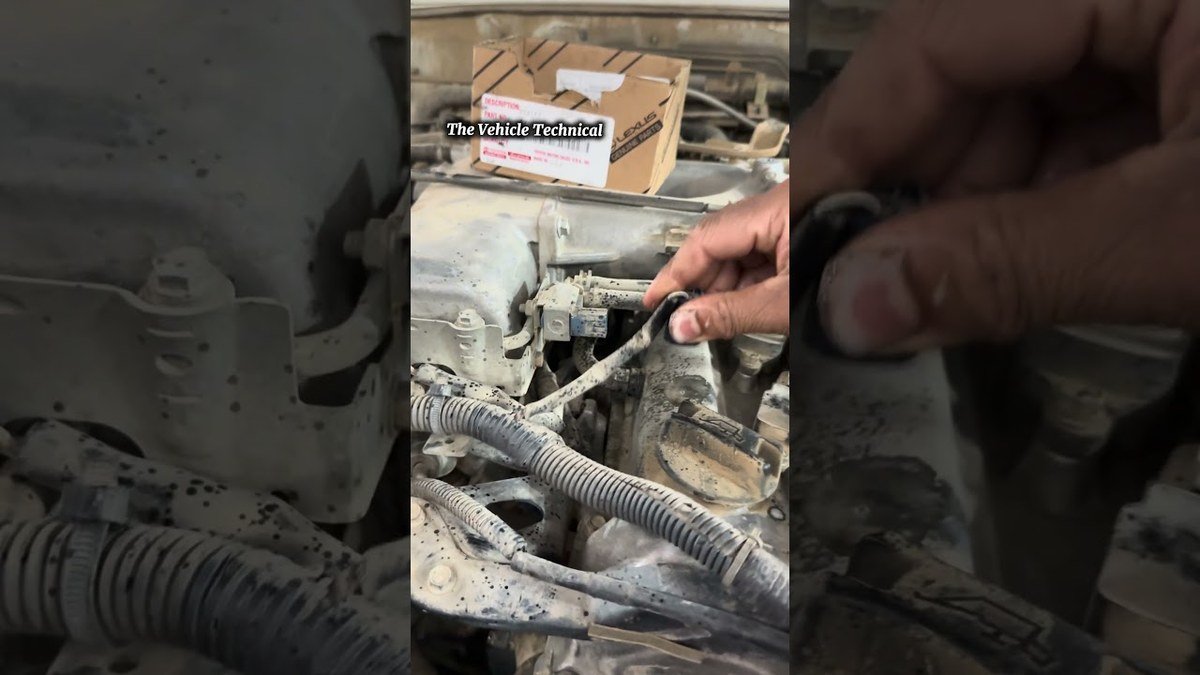
3 mistakes cause damage during ABS sensor cleaning:
- Using a wire brush on the sensor tip. Wire bristles scratch the magnetic sensing element and reduce signal accuracy. Use a soft plastic brush only.
- Spraying water or soap directly on the sensor body. Water enters the connector housing and promotes internal corrosion.
- Reinstalling the sensor without dielectric grease on the O-ring. A dry O-ring allows moisture into the hub bore, accelerating future contamination.
How Do You Clean the ABS Tone Ring?
The tone ring, also called the reluctor ring, requires cleaning as part of the ABS sensor service. Follow these 4 steps:
- Inspect the tone ring for cracks, missing teeth, or heavy debris buildup
- Spray brake cleaner onto the tone ring surface
- Use a soft plastic brush to remove metallic deposits from between the teeth
- Wipe the ring clean with a lint-free cloth
A tone ring with missing or bent teeth cannot be restored by cleaning. Replacement is required in those cases.
How Do You Clean an ABS Sensor Without Removing It?
Cleaning an ABS sensor without removing it is possible for light contamination. Spray brake cleaner through the wheel spokes directly onto the sensor tip and tone ring. Allow it to penetrate for 2 minutes, then flush with additional cleaner. This method does not remove metallic debris stuck to the sensor tip magnet. Full removal and cleaning provides more thorough results.
How Do You Know If an ABS Sensor Needs Cleaning or Replacement?
There are 4 indicators that an ABS sensor needs cleaning rather than replacement:
- ABS warning light is active with a wheel speed sensor fault code such as C0035 or C0040
- Live scanner data shows signal dropout at one wheel during specific speed ranges
- Visible metallic debris or grease buildup is present on the sensor tip
- Sensor resistance reads within the acceptable range of 1,000 to 2,500 ohms but the signal is intermittent
A sensor that reads outside this resistance range after cleaning requires replacement. Resistance below 800 ohms or above 3,000 ohms on most vehicles indicates internal sensor failure that cleaning cannot resolve.
How Do You Reinstall and Test an ABS Sensor After Cleaning?
Follow these 5 steps to reinstall and test the ABS sensor:
- Apply a thin layer of dielectric grease to the sensor O-ring before insertion
- Insert the sensor straight into the hub bore without twisting
- Tighten the mounting bolt to the manufacturer's torque specification, typically 6 to 9 Nm
- Reconnect the wiring harness connector until it clicks into place
- Clear stored ABS fault codes with an OBD-II scanner and perform a test drive above 15 mph
How Do You Prevent an ABS Sensor from Getting Dirty?
3 maintenance practices reduce ABS sensor contamination:
- Apply dielectric grease to the sensor connector and O-ring at every brake service interval
- Replace brake pads before they wear to the metal backing plate to reduce metallic dust output
- Inspect and clean ABS sensors every 30,000 miles or during each scheduled brake service

Jimmy O’Riley is a UK-based mobile mechanic and automotive diagnostic specialist operating out of Bedfordshire, England. He founded O’Rileys Autos in 2011 with a focus on bringing professional vehicle repairs directly to customers at their homes and workplaces.
With over a decade of hands-on experience, Jimmy specializes in ABS diagnostics, brake system repairs, diesel emissions faults, and DPF cleaning. He is recognized across the UK and Ireland as one of the leading specialists in vehicle braking and emissions systems, earning the title “The DPF King” from his growing online audience.
Jimmy documents real-world automotive repairs through his YouTube channel, which has accumulated over 97,000 subscribers and nearly 2,000 published repair videos. His content covers ABS fault diagnosis, wheel speed sensor testing, brake module replacement, and roadside repair procedures across a wide range of vehicle makes and models.
He is active on YouTube, Instagram, and Facebook under O’Rileys Autos.