
An ABS light that goes on and off indicates an intermittent fault in the anti-lock braking system. The 6 most common causes include a faulty wheel speed sensor, corroded wiring, a cracked tone ring, low brake fluid, a loose wheel bearing, and a failing ABS module. The light returns each time the fault becomes active.
What Does It Mean When the ABS Light Goes On and Off?
NHTSA explains related safety context in NHTSA vehicle safety information.
An intermittent ABS light means the Electronic Brake Control Module (EBCM) has detected a fault that appears and clears on its own. The system stores a fault code each time the light activates. These are called intermittent or pending codes and require a bi-directional OBD-II scanner to retrieve.
The ABS light turning on disables the anti-lock braking function. Standard brakes remain operational. The light turning back off does not confirm full system recovery. It indicates the fault is temporarily inactive.
Do All Cars Have ABS? Requirements, History, and 3 Key Facts
How to Clean an ABS Sensor: 7 Steps, Tools, and 3 Mistakes to Avoid
Is It Safe to Drive When the ABS Light Goes On and Off?
Driving with an intermittent ABS light is possible but carries increased braking risk. The ABS system may not activate during an emergency stop when the fault is present. According to the NHTSA, vehicles with non-functioning ABS have a 35% higher risk of multi-vehicle crashes on wet roads compared to vehicles with fully operational ABS.
What Are the 6 Causes of an ABS Light Going On and Off?
An ABS light that goes on and off has 6 primary causes:
- Faulty or contaminated wheel speed sensor
- Damaged or corroded wiring harness
- Worn or cracked tone ring (reluctor ring)
- Low or moisture-contaminated brake fluid
- Loose or worn wheel bearing
- Failing ABS module or EBCM
How Does a Faulty Wheel Speed Sensor Cause an Intermittent ABS Light?
A faulty wheel speed sensor sends irregular signals to the EBCM. When the signal drops below the acceptable threshold, the EBCM activates the ABS warning light and stores a fault code. When the signal temporarily recovers, the light turns off. Examples of sensor fault codes include C0035 for the left front wheel and C0040 for the right front wheel.
What Fault Codes Are Associated with an Intermittent ABS Light?
Fault Code | Description | Common Cause C0035 | Left front wheel speed sensor fault | Damaged sensor or wiring C0040 | Right front wheel speed sensor fault | Corroded connector or harness C0045 | Left rear wheel speed sensor fault | Tone ring damage or sensor gap C0050 | Right rear wheel speed sensor fault | Corroded sensor or loose bearing C0110 | ABS pump motor circuit fault | Failing ABS pump or relay C0265 | EBCM relay circuit fault | Failing ABS control module
These codes are retrievable using a bi-directional OBD-II scanner with ABS module access. Generic scanners do not reach the ABS system on most vehicles.
How Do You Diagnose an ABS Light That Goes On and Off?
Diagnosing an intermittent ABS light requires 5 steps:
- Connect a bi-directional OBD-II scanner to the vehicle's diagnostic port
- Access the ABS or EBCM system and retrieve all active and stored fault codes
- Review live wheel speed sensor data at speeds above 10 mph to identify signal dropouts
- Inspect sensor wiring, connectors, and tone rings for physical damage or corrosion
- Measure sensor resistance using a digital multimeter; the acceptable range is typically 1,000 to 2,500 ohms depending on the vehicle manufacturer
What Tools Are Needed to Diagnose an Intermittent ABS Light?
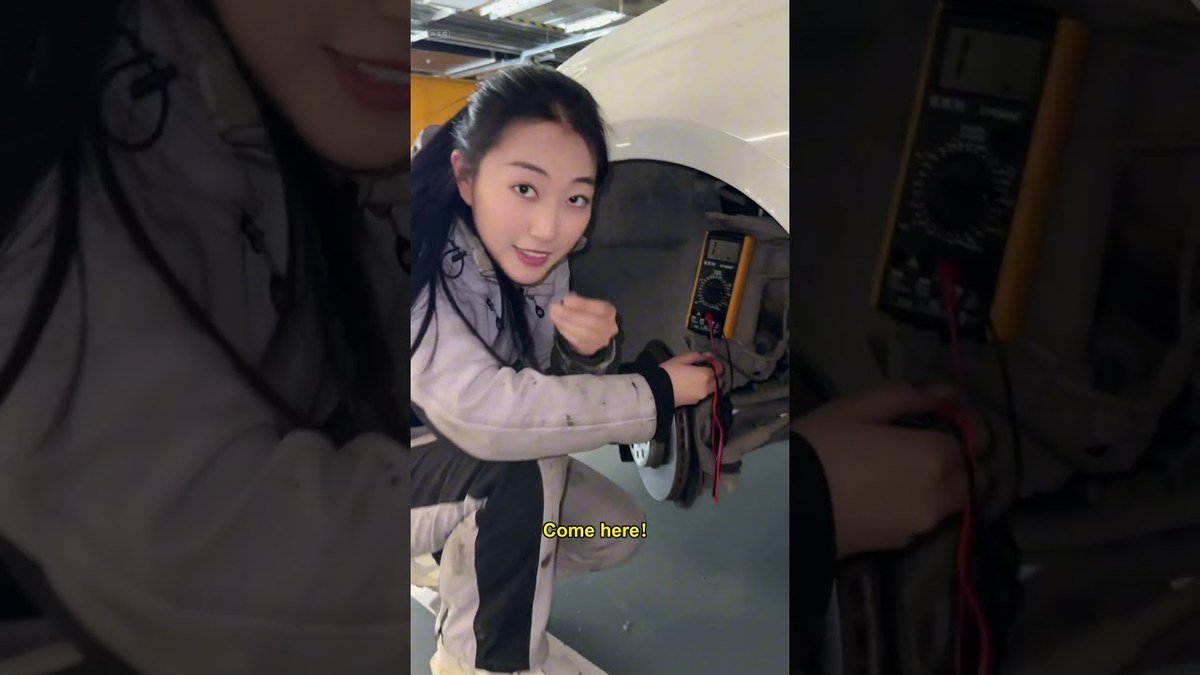
3 tools are required for accurate diagnosis:
- Bi-directional OBD-II scanner with ABS module access
- Digital multimeter for sensor resistance and voltage testing
- Vehicle-specific wiring diagram to trace circuit continuity
How Do You Fix an ABS Light That Goes On and Off?
Fixing an intermittent ABS light depends on the identified fault. The 4 most common repairs are:
Wheel Speed Sensor Replacement: A damaged or contaminated wheel speed sensor requires direct replacement. Sensors cost $20 to $100 per unit. Replacement takes 30 to 60 minutes per sensor at an independent shop.
Wiring and Connector Repair: Corroded or damaged wiring causes intermittent signal loss to the EBCM. A technician repairs or replaces the affected harness section and applies dielectric grease to the connectors. This repair costs $80 to $200 depending on damage extent.
Tone Ring Replacement: A cracked or missing tone ring prevents accurate wheel speed readings. Tone rings press onto the axle shaft or wheel hub. Replacement costs $50 to $150 for parts, plus 1 to 2 hours of labor.
Brake Fluid Flush: Low or moisture-contaminated brake fluid affects ABS hydraulic performance. A brake fluid flush costs $80 to $130 at an independent shop. Most manufacturers recommend brake fluid replacement every 2 years.
How Much Does It Cost to Fix an Intermittent ABS Light?
Repair Type | Parts Cost | Labor Cost | Total Estimate Wheel speed sensor replacement | $20 to $100 | $60 to $120 | $80 to $220 Wiring and connector repair | $10 to $50 | $80 to $200 | $90 to $250 Tone ring replacement | $50 to $150 | $100 to $200 | $150 to $350 Brake fluid flush | $15 to $30 | $60 to $100 | $80 to $130 ABS module replacement | $200 to $600 | $100 to $200 | $300 to $800
What Is the Difference Between a Solid and Intermittent ABS Light?
A solid ABS light indicates a consistent, stored fault with a confirmed failure. An intermittent ABS light indicates a fault that appears and clears based on conditions such as vehicle speed, temperature, or road vibration.
Both conditions disable the ABS system when the light is active. Intermittent faults are harder to diagnose because the fault may not be present at the time of inspection.
How Do You Prevent the ABS Light from Coming On?
3 preventive practices reduce the risk of intermittent ABS light activation:
- Inspect wheel speed sensor wiring and connectors every 12,000 miles for corrosion or cracking
- Flush brake fluid every 2 years to prevent moisture accumulation in the ABS hydraulic control unit
- Replace wheel bearings at the manufacturer's recommended service interval to prevent hub movement that disrupts sensor readings
Loose wheel bearings increase the air gap between the tone ring and the wheel speed sensor. A gap exceeding 1.5 mm on most vehicles causes signal dropout and triggers the ABS warning light intermittently.

Jimmy O’Riley is a UK-based mobile mechanic and automotive diagnostic specialist operating out of Bedfordshire, England. He founded O’Rileys Autos in 2011 with a focus on bringing professional vehicle repairs directly to customers at their homes and workplaces.
With over a decade of hands-on experience, Jimmy specializes in ABS diagnostics, brake system repairs, diesel emissions faults, and DPF cleaning. He is recognized across the UK and Ireland as one of the leading specialists in vehicle braking and emissions systems, earning the title “The DPF King” from his growing online audience.
Jimmy documents real-world automotive repairs through his YouTube channel, which has accumulated over 97,000 subscribers and nearly 2,000 published repair videos. His content covers ABS fault diagnosis, wheel speed sensor testing, brake module replacement, and roadside repair procedures across a wide range of vehicle makes and models.
He is active on YouTube, Instagram, and Facebook under O’Rileys Autos.