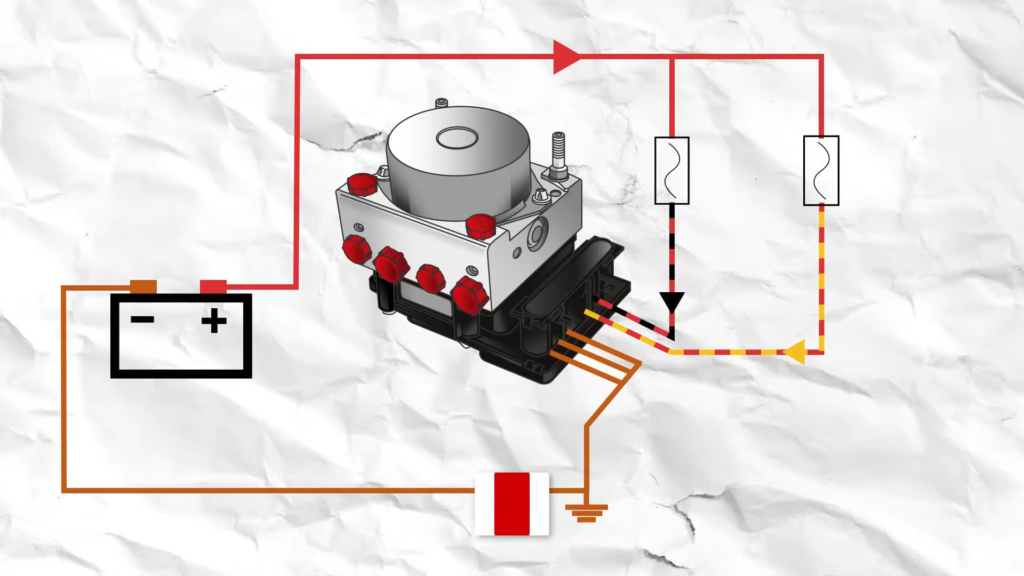
About ABS Testauslösung
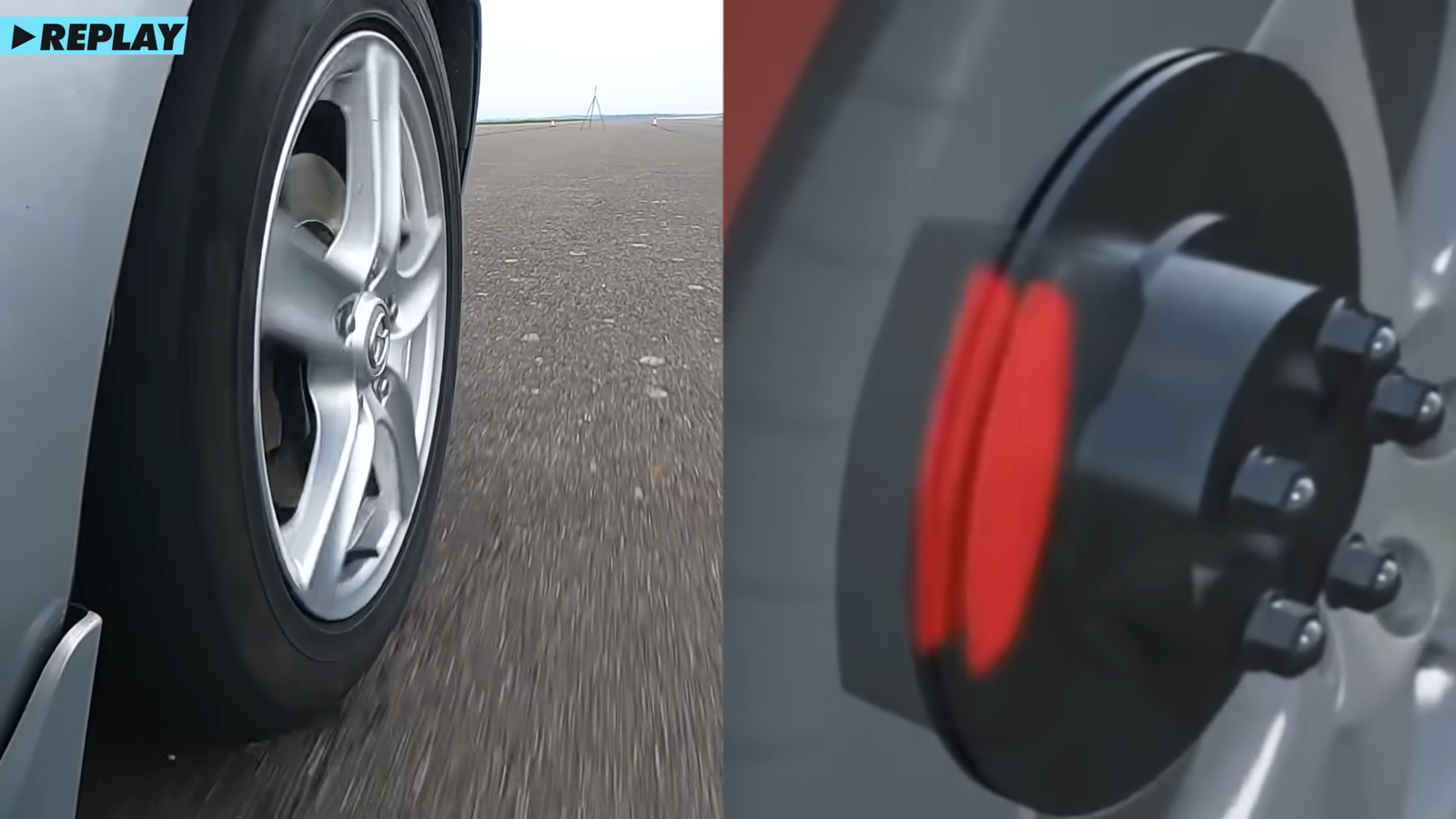
A safety mechanism that you can’t see functioning until everything goes wrong has a subtly unnerving quality. Because of this, the purposeful, controlled activation of an ABS system to verify its functionality, known as the ABS testauslösung, is both technically significant and, for many, entirely disregarded.
| Category | Details |
|---|---|
| Topic | ABS Testauslösung (ABS Test Trigger / ABS Test Activation) |
| Coverage | Vehicle Anti-lock Braking System (ABS) Testing and Avalanche Airbag Backpack Testing |
| Primary Context | Automotive safety diagnostics and winter sports safety equipment |
| Applicable Standard (Automotive) | ECE Regulation No. 13-H (Passenger Vehicle Braking) |
| Applicable Standard (Avalanche Airbag) | EN 16716:2015 (Avalanche Equipment Standard) |
| Geographic Focus | United Kingdom and European markets |
| Who Performs It | Automotive technicians, MOT testers, specialist outdoor equipment retailers |
| Recommended Frequency (Vehicle) | Annual inspection or whenever the ABS warning light illuminates |
| Recommended Frequency (Airbag Backpack) | After every deployment or at minimum once every 3 years |
| Reference Website | abs-airbag.com |
The phrase itself is at a unique turning point. “ABS testauslösung” refers to two very different but equally important processes in German-speaking Europe and increasingly in technical circles in the UK. One takes place at a workshop where a technician is performing anti-lock braking system diagnostics. The other occurs when a backcountry skier or ski tourer tests the trigger mechanism of an avalanche airbag backpack on a snowy mountainside, or more precisely, in a controlled area before reaching one. Two distinct technologies. Two distinct stakes. The same fundamental idea applies: make sure the system functions before you need it to save your life.
Starting with the car side is worthwhile, in part because it affects more people every day. One of those alerts that drivers have a difficult connection with is the ABS warning light on a dashboard. Some deal with it right away. Some people drive for weeks, then months, making vague notes every morning and accomplishing nothing. There is a sense that the system must be working properly because the automobile continues to stop and nothing significant has happened. It is only in retrospect that the flaws in that logic become apparent.
The ABS does not make a loud announcement when a wheel speed sensor malfunctions, a modulator valve starts to stick, or corrosion gradually deteriorates a sensor connector during a British winter. The vehicle brakes. Normal pauses have the same sensation. When the ABS should be cycling pressure 10 to 15 times per second to prevent wheel lockup, the difference appears in a fraction of a second during emergency braking at 60 mph. That’s when a broken system comes to light, and it’s not the best time to find it.
In an automobile setting, a proper ABS test involves more than just reading a problem code. The ABS pump and solenoid valves are instructed to activate sequentially by a diagnostic interface that is connected to the car’s OBD-II port. A technician monitors pressure responses, listens, and ensures that every valve cycles cleanly. Each wheel speed sensor’s output is read separately. It’s a thorough check that can take 20 minutes, but it yields information that a dashboard light by itself could never provide. It must be acknowledged that there aren’t as many garages providing this level of diagnostics as there ought to be.
The testauslösung’s avalanche airbag variant physically carries a new kind of weight. When an ABS avalanche airbag backpack is properly activated, two sizable inflatable air cushions are released, increasing the wearer’s effective volume. Larger particles tend to travel upward, according to a study on how avalanche debris separates by size during flow. Surface area is increased quickly enough by an inflated airbag to greatly increase survival chances. According to studies, when the airbag deploys properly in appropriate avalanche terrain, the survival rate improvement ranges from 50% to 75%. Naturally, if the trigger mechanism has corroded, hardened, or the cartridge has lost pressure since the last check, that number signifies virtually nothing.
The proper testing instrument, a tiny clip mechanism that permits the trigger handle to be pulled without releasing the cartridge gas, is needed to perform a testauslösung on an airbag backpack. This inspection, which should ideally be completed by an authorized dealer or sent straight to a service center, is advised by ABS following each deployment and before each winter season. The procedure is not difficult. However, a surprising amount of seasoned backcountry travelers acknowledge that they skip it.
Safety checks seem to inhabit a peculiar psychological zone. They feel administrative rather than life-saving, procedural rather than urgent, until they are neither of those things. There is real relief in the room when someone pulls an avalanche airbag trigger for the first time in a controlled test — the smooth mechanical click of a working system — not because something hazardous has occurred, but rather because something comforting has been verified.
The avalanche airbag and the car’s ABS both reward the same behavior: planned, recorded, and truthful testing. Not presumption. Not hope. Testing. The reason abstestauslosung.co.uk exists is because that habit is still less prevalent than it should be, and there is still a stubbornly large discrepancy between what people know they should do and what they actually do. Closing that gap, one test trigger at a time, might not be as dramatic as it seems. It might also be the most sensible safety choice someone has made all year.
Latest Posts
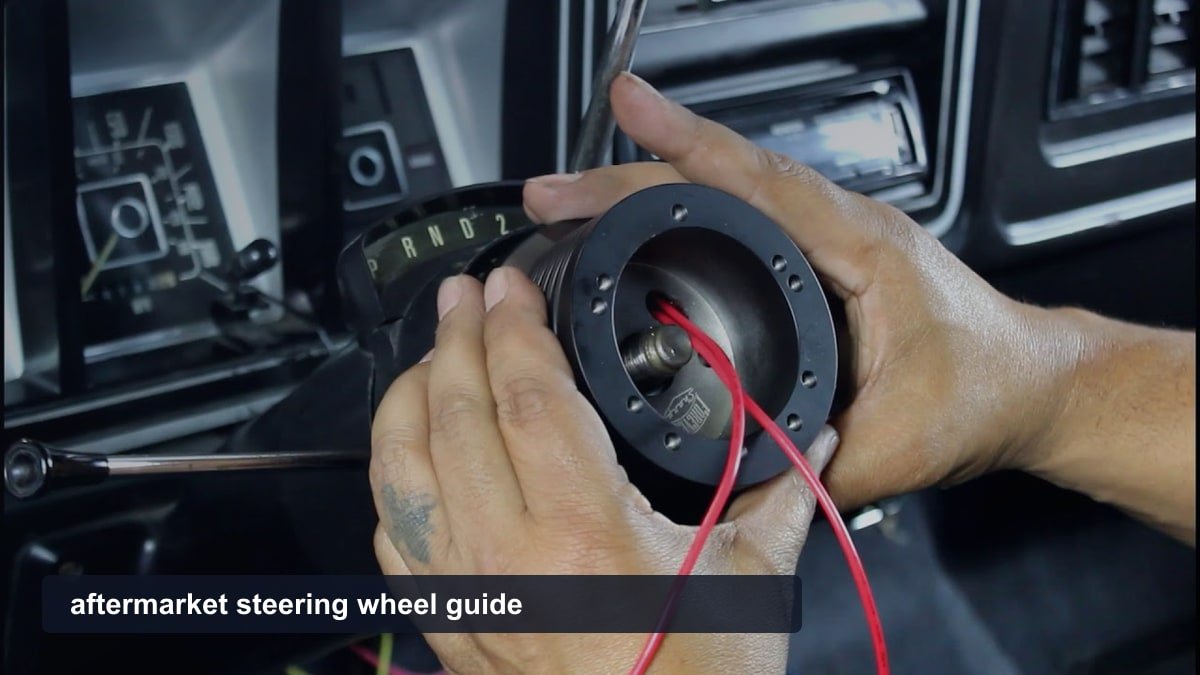
Aftermarket Steering Wheel: 4 Materials, 3 Common Sizes, and Airbag Legal Facts
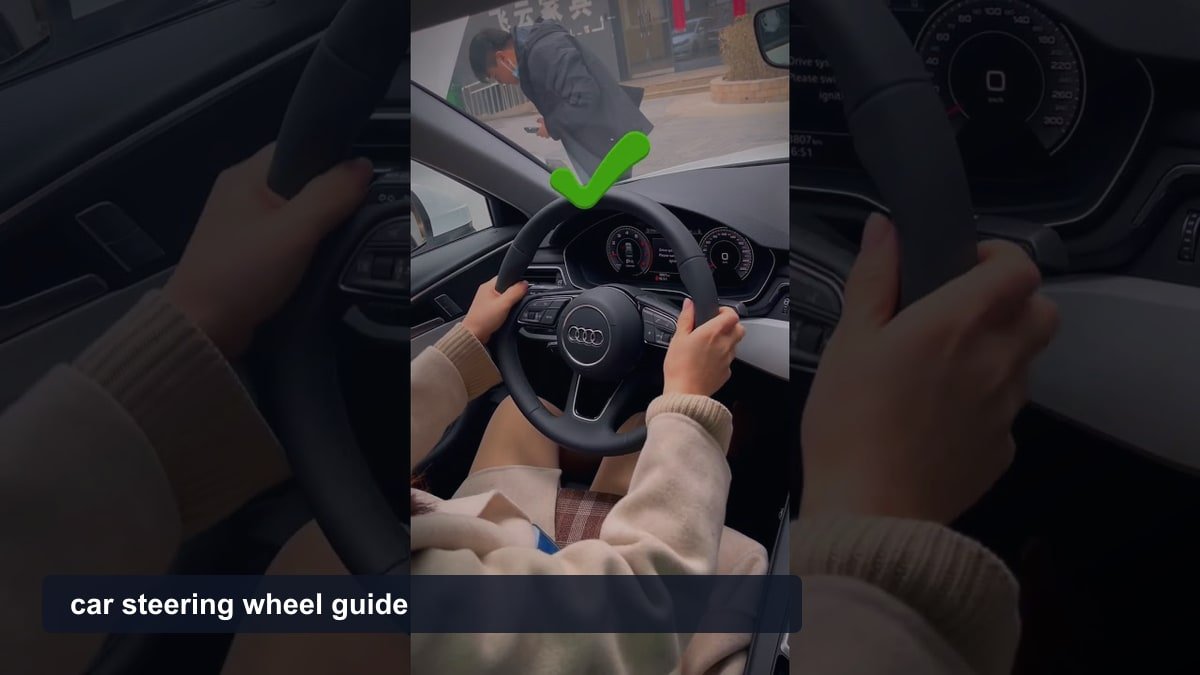
Car Steering Wheel: 5 Parts, 3 Power Steering Types, and Airbag Safety Data

Pedals and Steering Wheel for Xbox: 7 Sets, Prices, and Specs
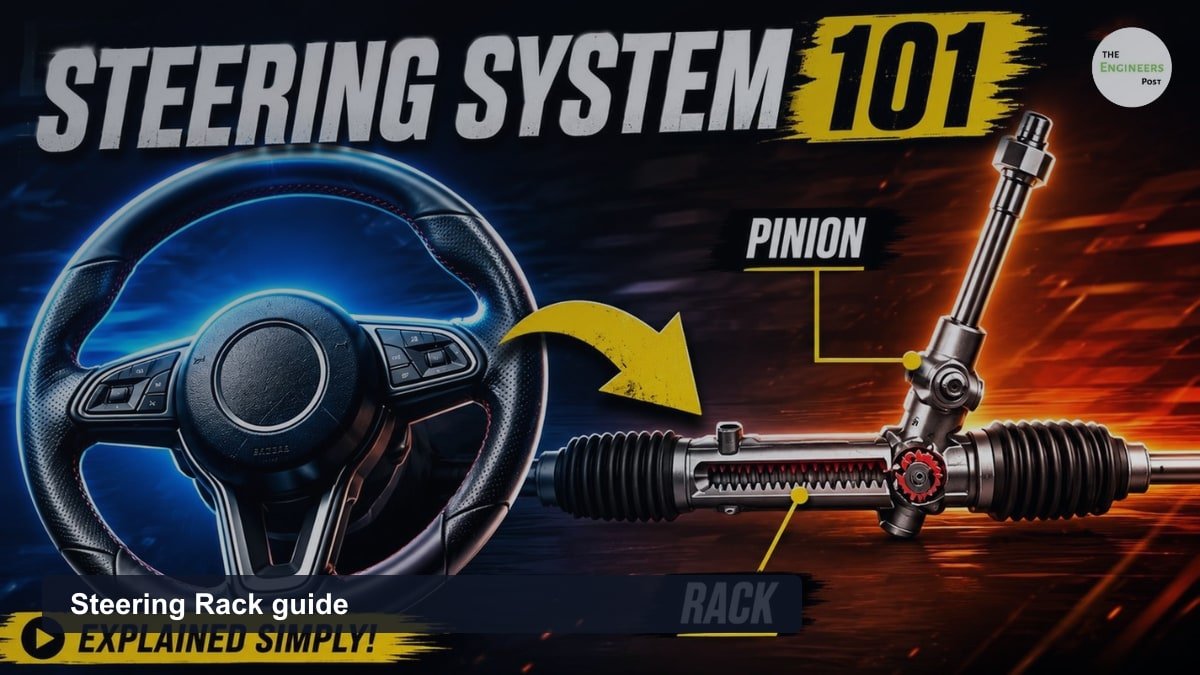
Steering Rack: How It Works, 3 Types, and 5 Failure Symptoms
Steering Wheel Knob: Definition, 6 Types, and 4 Safety Risks
2016 Focus RS Headlights Move With Steering Wheel: 5 Fault Causes
CVT Gearbox vs Automatic Gearbox: How Belts and Fixed Gears Produce 5 Key Differences
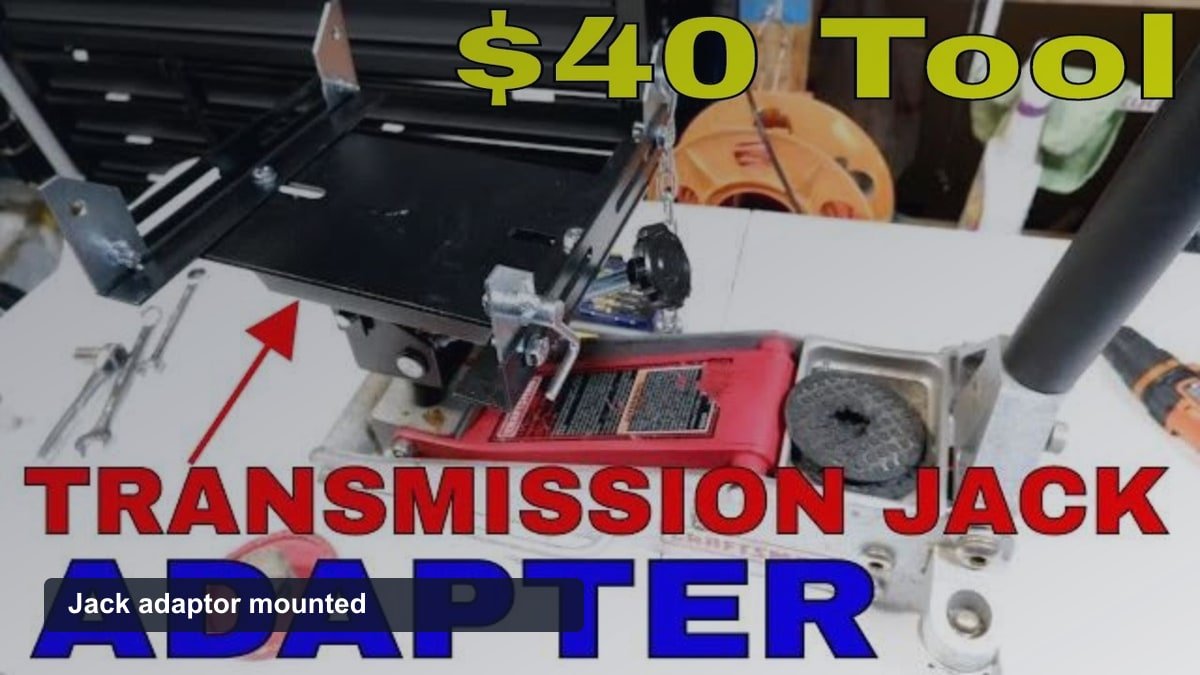
Gearbox Jack Adaptor: Product data; pricing from Sealey’s official listing and UK marketplace data
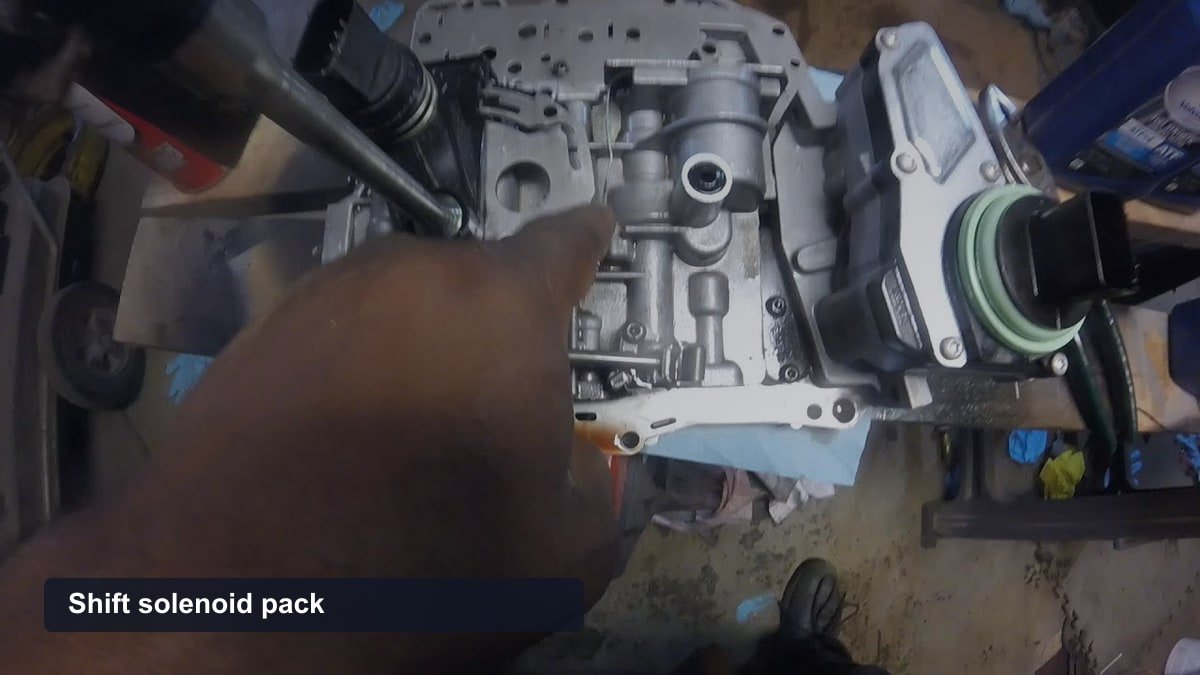
Gearbox Solenoid: 6 Signs of Failure and What Replacement Costs

Ford AOD Transmission: Specs, History, and 1980-1993 Applications
Signs of a Faulty Gearbox: 10 Warning Signs and What They Mean
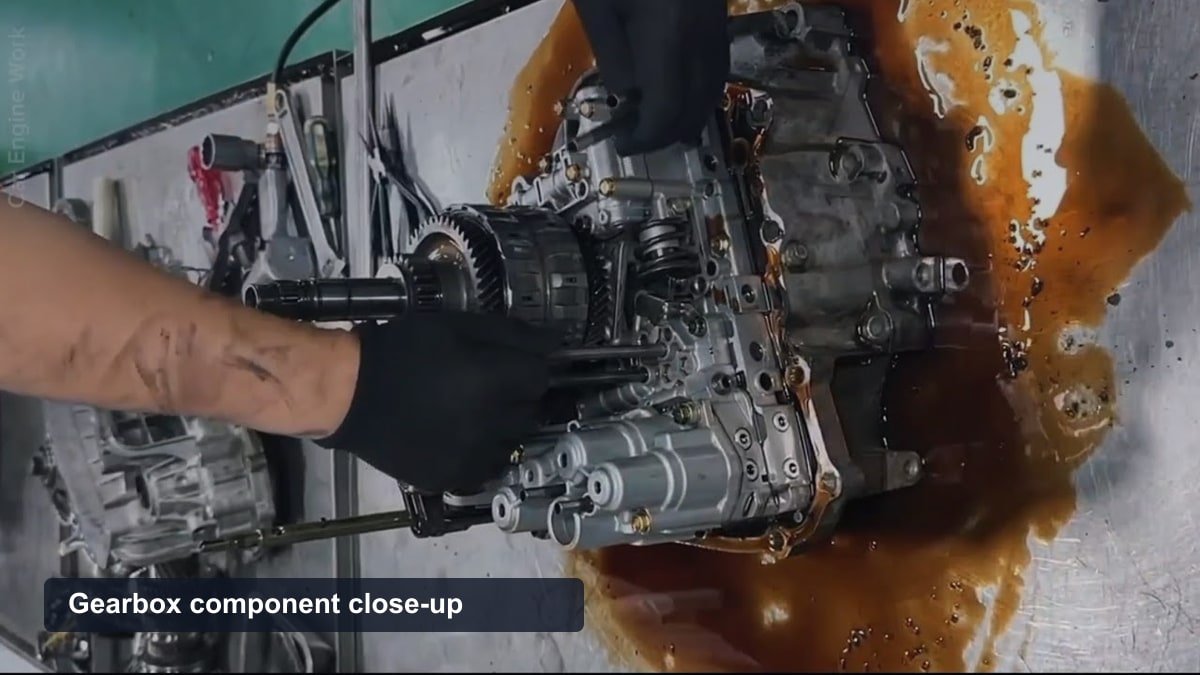
Gearbox Guide: 5 Types, Average Lifespan, and How It Works
How to Do an ABS Bleed on a Mini Cooper Without Guessing
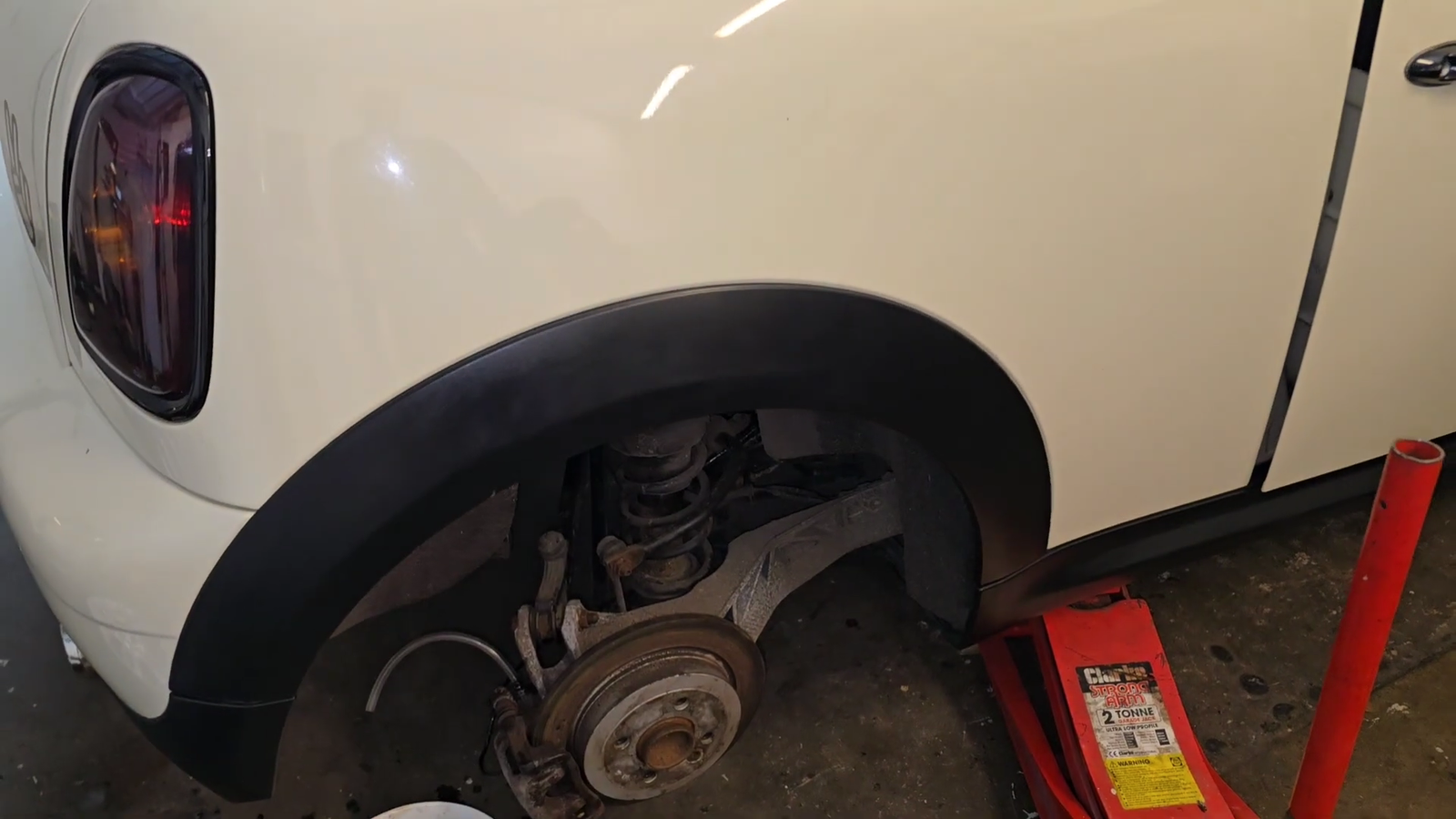
Owners of Mini Cooper vehicles have a particular annoyance that they frequently express in private forum posts at strange hours of the night. It feels like the brake pedal is soft. It’s not dangerously spongy or frighteningly soft, but it’s just incorrect enough to feel uncomfortable quickly. The pedal never quite tightens up as it should, even though they bleed the brakes the conventional method, the fluid runs clean, and there are no apparent bubbles in the tubing. It’s probable that the majority of them are completely unaware of the existence of a second bleeding process, which is located inside the ABS module itself and is inaccessible with only a wrench and gravity.
| Important Information | Details |
|---|---|
| Vehicle | Mini Cooper (All Variants) |
| Affected Models | R50, R52, R53 (2001–2006) and R56, R57, R58, R59 (2007–2013) |
| System | Anti-lock Braking System (ABS) / Dynamic Stability Control (DSC) |
| Required Scan Tool | Bi-directional OBD2 (e.g. Foxwell NT510 Elite, Innova 5610) |
| Brake Fluid Specification | Low-viscosity DOT 4 (e.g. Pentosin Super DOT 4) |
| Fluid Quantity Required | 1.5 to 2 quarts |
| System Pressure for Bleeding | 15 to 20 PSI |
| Bleeding Sequence | Right Rear, Left Rear, Right Front, Left Front |
| Procedure Type | Two-phase: Manual base bleed followed by electronic ABS module bleed |
| Reference | Pelican Parts – Mini Cooper Brake Bleeding Guide |
The anti-lock braking system on the Mini Cooper is not a passive part. A small hydraulic pump and a number of electrically operated solenoid valves are located inside the modulator block. Air does not always migrate out through the caliper nipples like traditional brake air does when it enters during a brake job, a master cylinder swap, or a negligent fluid flush. It becomes stuck in those interior passageways, suspended in cavities that only open in response to an electronic signal for the pump. Even with a pressure bleeder set to 20 PSI, standard bleeding is unable to reach those pockets. The system appears to be bleeding. It isn’t.
In practical terms, this implies that a proper ABS bleed on a Mini involves two separate stages. The first is the base bleed, which is the standard process that everyone is familiar with. The second is not the same. A bi-directional scan tool that can control the ABS pump and cycle its internal valves on demand is needed. Certain BMW and Mini platform software is used in the construction of tools such as the Foxwell NT510 Elite and the Innova 5610. It cannot be done by a general code reader. Most individuals don’t grasp how important this distinction is until they’ve already squandered an afternoon.
The base bleed is done before the electronic portion of the process is touched. All four wheels are removed, the reservoir is filled with new low-viscosity DOT 4 fluid, and a pressure bleeder is fastened to the reservoir cap before the car is raised on jack supports. The bleeding occurs in the following order when the system is pressurized to between 15 and 20 PSI: right rear, left rear, right front, and left front. A length of transparent tubing is deposited into a catch bottle for every bleeder nipple. The fluid passes through the valve until it is clear and bubble-free, at which point it closes. This section is not heroic. It’s deliberate and mechanical, and it should be done carefully before using the scan tool.
The fascinating part comes during the electronic phase. The software path normally goes through Diagnostics, BMW/Mini, Special Functions, and the chassis or brake menu where the ABS bleed process resides. The scan tool is connected to the OBD2 connection underneath the driver-side dashboard. Throughout, the pressure bleeder maintains its pressure. The internal valves cycle quickly, the brake pedal beneath your foot starts to tremble and pulse in a way that feels almost violent, and the scan tool instructs the pump to engage. This is quite unusual to witness the first time. The vibration is caused by the pump pushing fluid via channels that the manual bleed has never touched. At this point, pay attention to the clear tubing. Sometimes the micro-bubbles appear as visible pulses, and other times they appear as a dark discoloration that eventually goes away. This is how each wheel circuit is cycled, one at a time, precisely as instructed by the scan tool.
After completing the sequence and applying the brake pedal for the first time, it’s difficult to ignore the instantaneous difference. The pedal travel gets shorter. The stiffness comes back. The brakes no longer have the same mushy, unpredictable feel to them. Many Mini owners spend months chasing a brake feel that a full ABS bleed would cure in an afternoon because no single-phase technique can guarantee that outcome.
The Mini Cooper has long been known for being a precise, driver-focused vehicle. BMW recognized this when they brought the brand back to life in 2001, and the braking system embodies that engineering goal. However, accurate systems require exact upkeep. When a car has undergone a major brake job, the ABS module bleed is mandatory. It is the distinction between speculating and truly knowing that the task has been completed.
Motorcycle With ABS vs Without: The Safety Debate Every Rider Eventually Faces
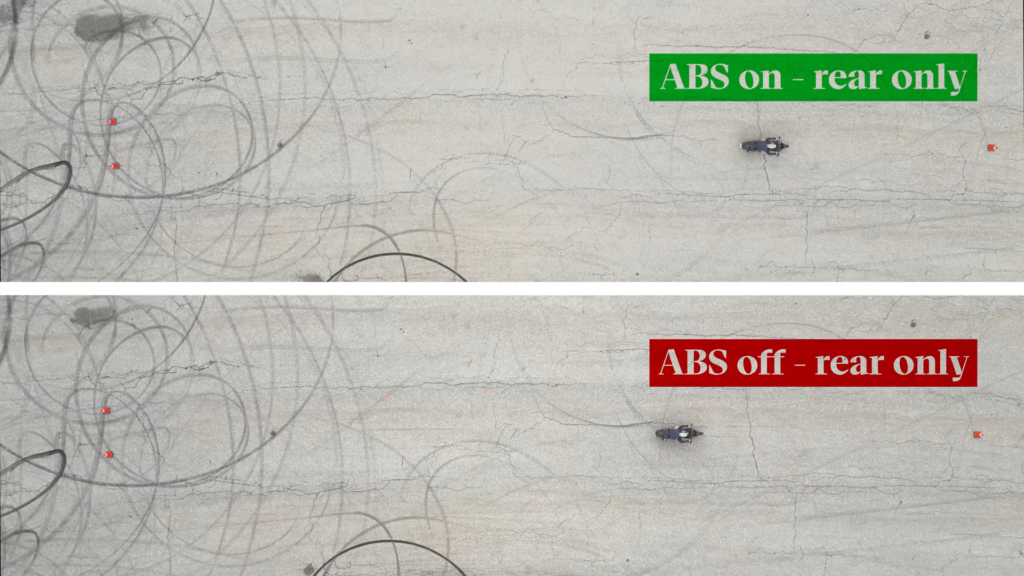
Every motorcyclist may relate to this moment without more explanation. When something unexpectedly crosses your lane while you are traveling through traffic, your hands and feet respond before your brain has had a chance to fully comprehend the situation. Everything you believe you know about braking is put to the test in that split second. It’s important to know if your motorcycle has ABS at the time. It may be the only important detail.
The argument between ABS and non-ABS motorcycles has been going around in riding circles for years. It has been discussed on forums, debated at dealerships, and discreetly resolved by crash numbers that most riders would prefer not to think about. According to the Insurance Institute for Highway Safety, ABS lowers motorcycle fatal crash rates by 37%. Arguments usually end with that number. The argument doesn’t always end there.
| Information | Details |
|---|---|
| Topic | Motorcycle Anti-lock Braking System (ABS) vs Non-ABS |
| First Production Motorcycle with ABS | BMW K100, 1988 |
| Technology Developed By | Bosch, in collaboration with BMW Motorrad |
| How ABS Works | Wheel speed sensors pulse brake pressure up to 15 times per second to prevent lockup |
| EU Mandate | Mandatory on all new motorcycles above 125cc since January 2016 |
| Fatal Crash Reduction | ABS reduces motorcycle fatal crash rates by 37%, per IIHS research |
| Best Suited For | Street riding, touring, adventure, commuting |
| Less Suited For | Motocross, off-road, competitive stunt riding |
| Reference | Insurance Institute for Highway Safety (IIHS) |
The Anti-lock Braking System, or ABS, first appeared on motorcycles in 1988 when BMW and Bosch developed it for the K100. Motorcycle developers confronted a new issue, even though the technology had already shown promise in automotive and aviation applications. Narrow contact patches, two wheels, and violent weight shifting while braking forcefully. It took years of development to get the sensors and hydraulic modulators lightweight, compact, and fast enough to pulse brake pressure up to 15 times per second. It is truly unnerving to watch a demonstration of it in action, where an instructor applies the brakes quickly on wet pavement and the bike just stops in a straight line. It shouldn’t appear so serene.
Nearly all of the evidence supporting ABS is based on what occurs during a panic stop. Without it, locking any wheel — especially the front — virtually guarantees a collision. The bike collapses, the tire skids, and the front wheel stops turning. This has caught riders with thousands of miles of experience off guard. It doesn’t take skill level into account. ABS completely eliminates that specific failure mode, enabling the rider to maneuver while braking as hard as is technically feasible. Even while it takes some getting used to the pulsing feeling under hard braking, there is something almost comforting about that.
However, non-ABS riders are not entirely incorrect. The physics of off-road riding are completely different. Sometimes a locked rear wheel is needed to perform a controlled slide into a turn or scrub speed on a downhill surface, such as loose gravel, sand, or deep mud. ABS is useless in motocross. By reducing brake pressure precisely when a proficient dirt rider needs it to be maintained, the device opposes the approach. Additionally, there is something to the claim that actual braking feel can be developed. A rider must learn about traction on a non-ABS bike in a way that an electronic safety net may make difficult.
The real conflict here is that the majority of motorbike buyers aren’t competing in off-road races on challenging terrain. Most of them are traveling on weekends, commuting, and navigating city traffic, where unforeseen events frequently occur and there is little room for error. The 37% decrease in fatal crashes is not a statistic to those riders. The odds have changed significantly.
It’s hard to put into words, but it seems that the motorcycle industry treated ABS as a luxury option rather than a standard expectation for a long time. For new bikes over 125cc, the European Union’s legal requirement starting in 2016 altered that discussion. There have been slower movements in other markets. Non-ABS motorbikes continue to rule several regions of Asia and Latin America based only on price, which is an unsettling truth in and of itself.
The weight argument against ABS has essentially fallen apart. Under normal circumstances, most riders would not notice the one to two kilograms that modern systems add to a motorcycle. The technology is becoming standard equipment rather than an add-on package, which narrows the cost argument. It is difficult to ignore the fact that manufacturers who previously classified ABS as an optional feature now quietly incorporate it into base models, as if the internal dispute had already been resolved.
Maybe it was. Now, the question is more about how quickly the holdouts turn around than it is about whether ABS is worth having. The stopping distances are not subjective. There is no negotiating the physics. Every rider ultimately encounters the moment when everything is put to the test, and it doesn’t wait for anyone to conclude the debate.
Subaru ABS Module Repair: What Owners Are Learning the Hard Way
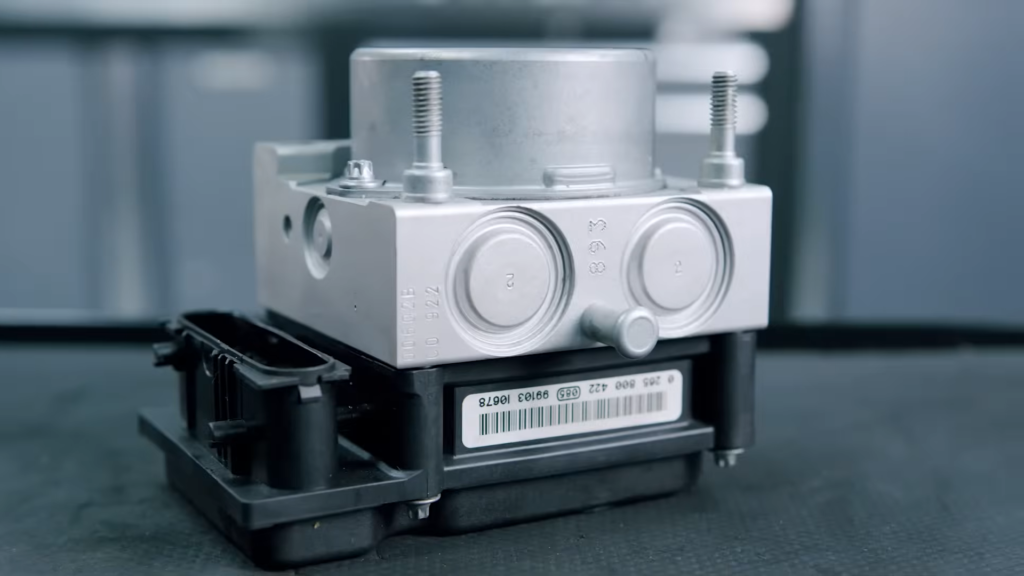
When the ABS light appears during a normal drive, a specific type of annoyance sets up. It’s not the grinding certainty of worn brakes or the piercing panic of a blowout. It is more subdued than that, a continuous, leisurely yellow caution blazing on the dashboard that transforms a typical Tuesday commute into a question mark. For thousands of Subaru owners, that is the start of an equally complex and costly repair journey — at least until they realize it doesn’t have to be.
| Information | Details |
|---|---|
| Service Category | ABS Control Module Repair and Rebuild |
| Compatible Subaru Models | Outback, Legacy, Forester, Impreza, WRX, Crosstrek |
| Typical Repair Cost | $280 to $400 (mail-in rebuild service) |
| Dealer Replacement Cost | $415 to $800+ depending on model year |
| Turnaround Time | Same day to 3 business days |
| Leading Repair Providers | XeMODeX Inc., UpFix, Nito Motor |
| Reprogramming Required | No — returns as plug-and-play unit |
| Warranty Offered | Lifetime limited (XeMODeX), 1-year (Nito Motor) |
| OEM Part Example | 27596AJ01A — Subaru Outback/Legacy |
| Reference Website | XeMODeX Inc. — Subaru ABS Module Repair |
Located in the engine bay close to the brake master cylinder on the majority of Subaru vehicles, the anti-lock braking system module is an incredibly powerful piece of technology. During an emergency stop, it concurrently tracks all four wheels, determines slip, and modifies brake pressure in milliseconds. Years of wetness, heat cycling, and vibration from regular driving are things it can’t withstand as well. Transistors and relay contacts are gradually deteriorated by corrosion on the internal circuit boards until the module starts displaying failure codes that neither the driver nor, occasionally, the local mechanic completely comprehends.
This could be the reason why so many Subaru sites have discussions dating back ten years, with owners comparing symptoms, arguing whether the wheel speed sensor or the module itself is to blame, deciding whether to buy secondhand or rebuild, and discussing whether the dealer quotation is fair or blatantly absurd. It’s clear from reading those exchanges how truly perplexing this specific failure may be. The traction control light and occasionally the brake warning light accompany the ABS light, making the dashboard appear more concerning than the real issue.
The majority of mechanics will recommend a replacement initially. The cost of a brand-new Subaru OEM module can reach $415, and for more recent model years, that amount rapidly increases. The cost of labor is increased when a dealership installs that component. That math can feel harsh for an Outback or Legacy that already has miles in the six figures, especially when the rest of the car performs flawlessly. Sitting across from a service representative with a repair estimate gives the impression that the system is set up to force owners to pay for something that might not be strictly necessary.
This is where rebuild services come into play, and it’s important to be aware of them. Businesses like UpFix and XeMODeX, an American company, have focused on fixing these modules instead of replacing them. From the owner’s perspective, the procedure is rather simple: remove the harness connector, find the module in the engine compartment, detach the negative battery terminal, unbolt the unit, and mail it. Before returning the device, the repair facility opens the module, examines the circuit board, repairs any damaged internal parts, and tests it. The unit is returned as a plug-and-play replacement that doesn’t require reprogramming, and XeMODeX lists the repair as costing $299. UpFix functions in a similar manner. Nito Motor provides a one-year warranty along with a complete rebuild.
The fact that the repaired module is returned to the car as the original unit is what makes these services truly helpful and what the Subaru forums inevitably return to, post after post. Dealer programming is not necessary because it keeps the vehicle identification data that was programmed into it by the manufacturer. Owners save time and money on the programming charge, which can cost an additional $100 to $200 at a dealership, thanks to that one detail.
However, it is worthwhile to go over the fundamentals before pulling the module. The same warning lights as a failed module can be produced by a blown fuse, either the high-amp pump motor fuse rated at 30 or 40 amps or the low-amp module fuse. The specific fault codes will be pulled by an OBD2 scanner with ABS functionality, significantly narrowing the diagnosis. The fuse check takes five minutes and sometimes saves several hundred dollars, but a mechanic who skips that step and suggests replacing the module right away isn’t necessarily cutting corners because the module is a typical failure area on older Subarus.
It is difficult to ignore what this repair category’s growth over the last ten years reveals about the larger interaction between car owners and contemporary automotive electronics. The module is no longer a mysterious black box. It is a circuit board with known places of failure, and those who fix them have developed true competence in fixing those points. As communities often do, the Subaru community discovered independent rebuild companies that discreetly filled a void left by dealerships and parts manufacturers. If nothing else, that information is a fair and significantly less expensive place to start for Subaru owners who are gazing at that ABS light on a chilly morning, wondering if the car is still safe to drive and whether the repair expense would be as severe as the worst estimates available.
Semi-Trailer ABS Sensor: The Small Component Carrying Enormous Responsibility
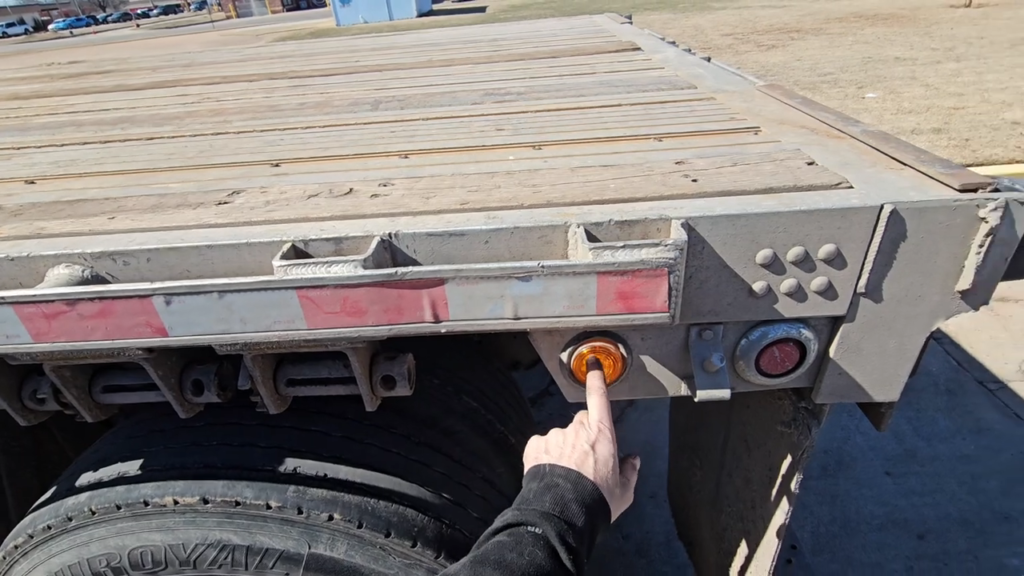
The idea that a part about the size of a huge marker pen, put into a bracket inches from a spinning wheel on a 40-foot trailer, is frequently the sole thing preventing a catastrophic jackknife at highway speed is quietly interesting. There is no self-announcement from the semi-trailer ABS sensor. It has neither a PR team nor a difficulty with brand recognition. Simply installed at each axle end, it reads the rotation of a toothed tone ring thousands of times per minute and transmits the information to a control module that determines, in milliseconds, whether to modulate braking pressure or remain out of the way.
| Category | Details |
|---|---|
| Topic | Semi-Trailer ABS Sensor (Wheel Speed Sensor) |
| Also Known As | Wheel Speed Sensor, Tone Ring Sensor, Exciter Ring Sensor |
| Primary Manufacturers | ZF WABCO, Bendix, Knorr-Bremse (Haldex) |
| Applicable Regulation | FMCSA 49 CFR 393.55 (Anti-lock Brake Systems) |
| Mandatory On New Trailers Since | March 1, 1998 (air-brake trailers, USA) |
| Common Part Numbers | R955335, R955349, R955615 |
| Sensor-to-Tone-Ring Air Gap | 0.020 to 0.050 inches (0.5 to 1.27 mm) |
| Sensors Per Trailer | 2 to 4 (one per monitored axle end) |
| Typical Replacement Cost | $15 to $80 per sensor |
| Reference Website | zf.com — WABCO ABS Resources |
At the time, there was little public interest in the rule requiring these sensors on all air-brake trailers sold in the US after March 1998. When freight safety laws are passed, it seldom does. However, the wheel speed sensor is the nerve ending via which the entire system sees the road, and the Federal Motor Carrier Safety Administration’s regulation under 49 CFR 393.55 significantly altered the failure profile of heavy commercial vehicles on American highways. Without it, the ABS controller is essentially blind, making guesses instead of measurements, which is about the same as asking someone to drive while blind and relying solely on their gut.
In North America and Europe, ZF WABCO — formerly WABCO before its 2020 acquisition by ZF Friedrichshafen — has long been the leading brand in trailer ABS hardware. Their sensors, especially the R955335 and R955349 series, are found on an astounding variety of trailers, from flatbeds transporting steel coil throughout the Midwest to chilled units on coastal produce routes. The shelves at a parts warehouse that keeps these items have a consistent practicality to them. No gaudy packing. Only mounting angles, cable lengths, and part numbers. Until these components cease to function, the work they perform is completely unnoticeable.
Failure seldom happens in a dramatic way. Many fleet managers may have sat across from a technician and explained that an ABS warning light had been on for three weeks before anyone noticed, citing either a sensor that developed an air gap slightly outside of specification after a wheel bearing shifted or a sensor that corroded at its connector due to exposure to road salt. It’s simple to ignore the yellow ABS warning light on a trailer’s back, especially at night or during a busy dispatch schedule. There is a feeling that the urgency of the warning does not always correspond with the urgency of the context in which it operates, and this discrepancy is a severe issue.
One of those requirements that seems nearly insignificant at first — usually between 0.020 and 0.050 inches — is the air gap between the sensor tip and the tone ring surface. If this gap isn’t reached, the sensor begins to produce irregular signals. When the wheel flexes, the tone ring may come into contact with the sensor if it is too close. If you go too far, the magnetic field becomes weaker than what is required to get a trustworthy reading. When a technician replaces a sensor on a chilly morning, works fast in a dimly lit yard, and checks the gap with a potentially worn-out feeler gauge, they are making a decision that directly impacts how 80,000 pounds of truck and cargo behave at 65 miles per hour. That series of events is difficult to ignore.
It is not technically difficult to replace an ABS sensor in a semi-trailer. The wheel and drum are removed, the old sensor is removed (occasionally a pry bar is needed when rust has adhered it to the mounting bracket), the new sensor is seated, the gap is checked, and everything is put back together. The task can be finished in less than an hour by a skilled expert who is familiar with the platform. Depending on the manufacturer, wire length, and whether a kit with hardware is bought, the sensor can cost anywhere from $15 to $80. By commercial vehicle maintenance standards, the repair is reasonably priced. It is more difficult to estimate the cost of ignoring it.
Lane departure systems, automated emergency braking, and electronic stability control are just a few examples of the safety technology that the larger freight industry has spent years developing at the tractor level. However, trailer equipment occasionally lags behind, in part because trailer ownership changes more frequently and investment choices are made differently. By industry standards, the semi-trailer ABS sensor is a developed technology. When installed and maintained correctly, it functions dependably; when not, it silently malfunctions. That may be the most accurate way to describe its personality: modest, trustworthy, and simple to forget about until it’s most important.