
I was pulling a corroded wheel speed sensor from a Tiguan off Woburn Road in Ampthill when the Harley recall notification landed on my phone. The connector had been fighting me for ten minutes, the kind of fight UK road salt wins every time it gets into an electrical joint. I had one hand under the arch and read the screen with the other. Sixteen thousand nine hundred and ninety-four Softail motorcycles, rear brake line, body control module, gradual abrasion during normal riding.
The mechanism is not complicated, but it is the kind of problem that makes you put the phone down for a moment. The BCM, the body control module, is a hard, fixed component mounted near the battery on these Softail models. The rear brake line is flexible hydraulic tubing, and on the four affected models, the narrow frame geometry puts the two in direct contact. Every mile of normal riding works like a slow file across the side of that line.
The failure this produces is not dramatic and it does not happen quickly, which is exactly what makes it worth taking seriously. Fluid levels drop gradually. Stopping power degrades in increments too small to feel on any single ride. By the time the rear brake feels wrong on a motorcycle, the line may already be significantly breached.
I have seen this pattern on cars often enough to know how it ends when it gets missed. The one I keep thinking about is a Citroen Berlingo in Luton, maybe three years ago. There was brake dust on the rear disc, warm enough to smell it had been worked, more than a short urban run should produce. The owner had called because the brake warning light was flickering intermittently, and in her mind that meant pads.
The fault code came back as pad wear, which the pads confirmed. But the fluid level was lower than pad wear alone explains. When I looked at the live data on the scanner, the rear hydraulic pressure was dropping in a pattern that a pad issue does not produce. I got under the car and found a rear brake line resting against a corroded body bracket, worn to a surface breach by contact over months.
The code was pointing at the right symptom, not the right cause. Low fluid from the breach had triggered the pad sensor, and the logic was technically sound. But if I had changed the pads and moved on, that line would have failed completely within a few months and left her with almost no rear brake.
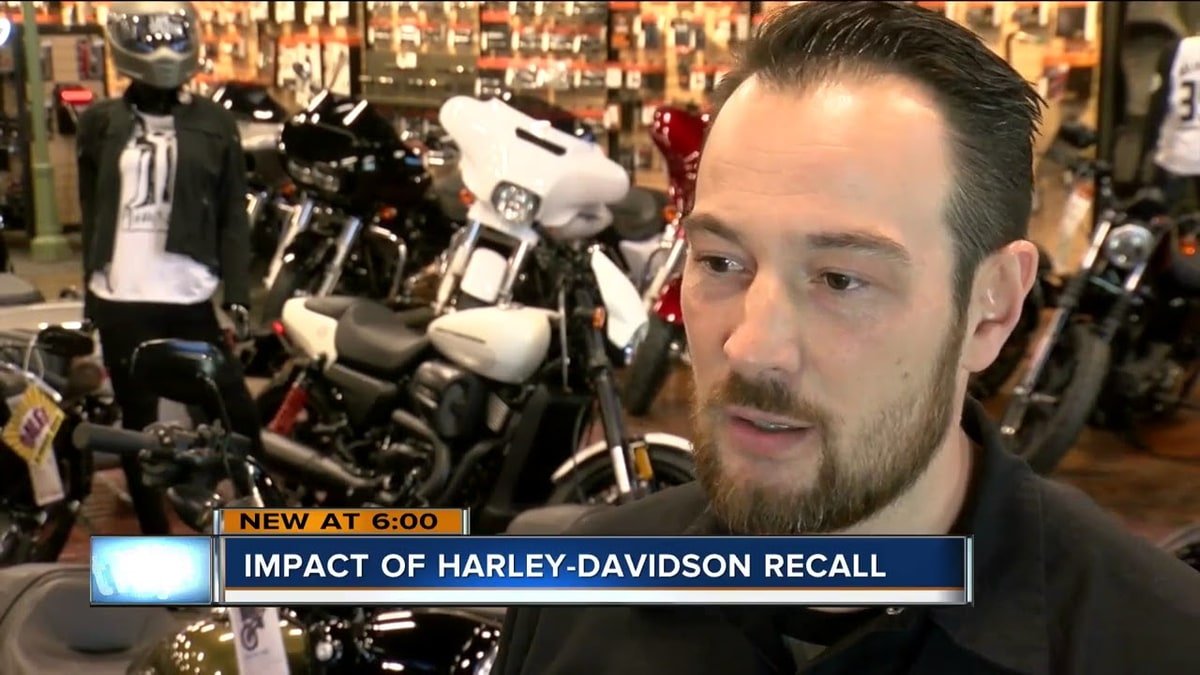
What I keep coming back to with the Harley situation is the geometry. On all four affected models, the Heritage Classic, Street Bob, Low Rider S, and Low Rider ST, the narrow frame puts the BCM in contact with the rear brake line. Three other Softails are excluded from this recall because their wider frame provides enough clearance that contact cannot occur. Someone signed off on that routing in an engineering office, and the margin they left was not sufficient for what a ridden motorcycle actually does.
These are 2025 and 2026 production motorcycles, which means some of them have barely been run in and the abrasion will not have progressed far. Others have been ridden through a winter, possibly two, and the brake line may already be in a state that only a physical inspection can assess. That gap between the two extremes is what makes this a recall that requires urgency rather than patience. The bikes with the most miles since October 2024 are the ones that most need looking at now.
If any of these bikes had come into a dealership with a soft rear pedal before the recall was announced, the conversation would almost certainly have gone to pads first. The wear to the brake line is not visible without physically removing the component to look at it. Without knowing to look for that specific fault, you would not look for it.
Harley moved on this within weeks of the first warranty complaints surfacing, and the fix is the right one. A redesigned BCM caddy repositions the module away from the brake line, and any line already showing damage gets replaced as part of the same visit. Owner notification letters are going out by the 25th of May. If you own one of the affected models, do not wait for the letter, contact your dealer now.
The affected models are the Heritage Classic, Street Bob, Low Rider S, and Low Rider ST across 2025 and 2026 production. The dealer carries out the BCM caddy replacement and brake line inspection under the recall at no charge. Book it before the letters land and the service bays fill up.
The connector in the Tiguan came out in the end, after enough persuasion. Brake faults that move slowly without announcing themselves are the category I have spent the most time on in fourteen years. Nobody is ever looking for a breach when the pedal still feels fine.
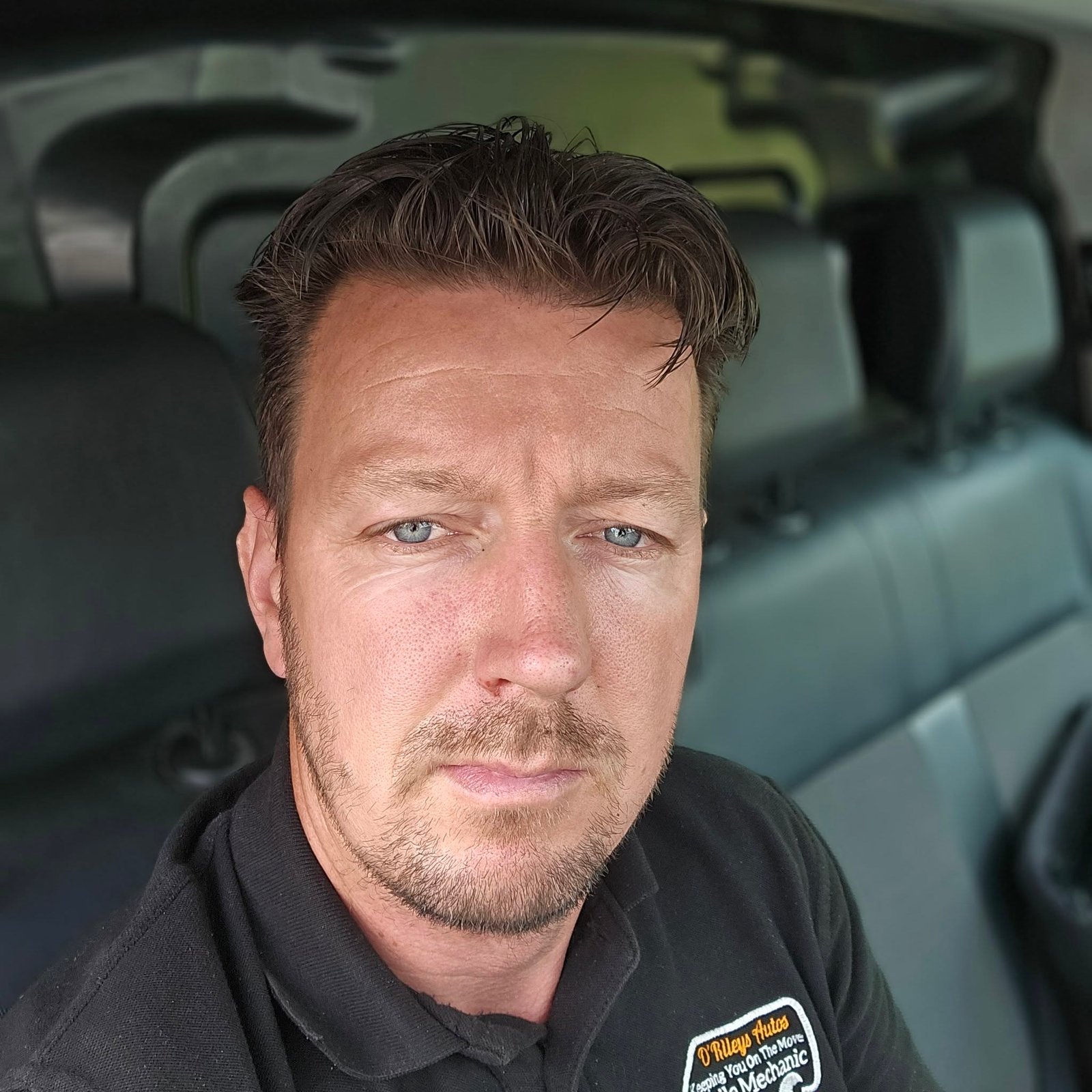
Jimmy O’Riley is a UK-based mobile mechanic and automotive diagnostic specialist operating out of Bedfordshire, England. He founded O’Rileys Autos in 2011 with a focus on bringing professional vehicle repairs directly to customers at their homes and workplaces.
With over a decade of hands-on experience, Jimmy specializes in ABS diagnostics, brake system repairs, diesel emissions faults, and DPF cleaning. He is recognized across the UK and Ireland as one of the leading specialists in vehicle braking and emissions systems, earning the title “The DPF King” from his growing online audience.
Jimmy documents real-world automotive repairs through his YouTube channel, which has accumulated over 97,000 subscribers and nearly 2,000 published repair videos. His content covers ABS fault diagnosis, wheel speed sensor testing, brake module replacement, and roadside repair procedures across a wide range of vehicle makes and models.
He is active on YouTube, Instagram, and Facebook under O’Rileys Autos.