
The scan tool on the BMW 5 Series in Stopsley was showing C0040, right front wheel speed sensor circuit failure. The live data column beside it was showing a sensor signal that was present and responding. The previous garage had cleared that code twice. The fault came back both times because clearing a code without pulling proper live data is not a diagnostic process.
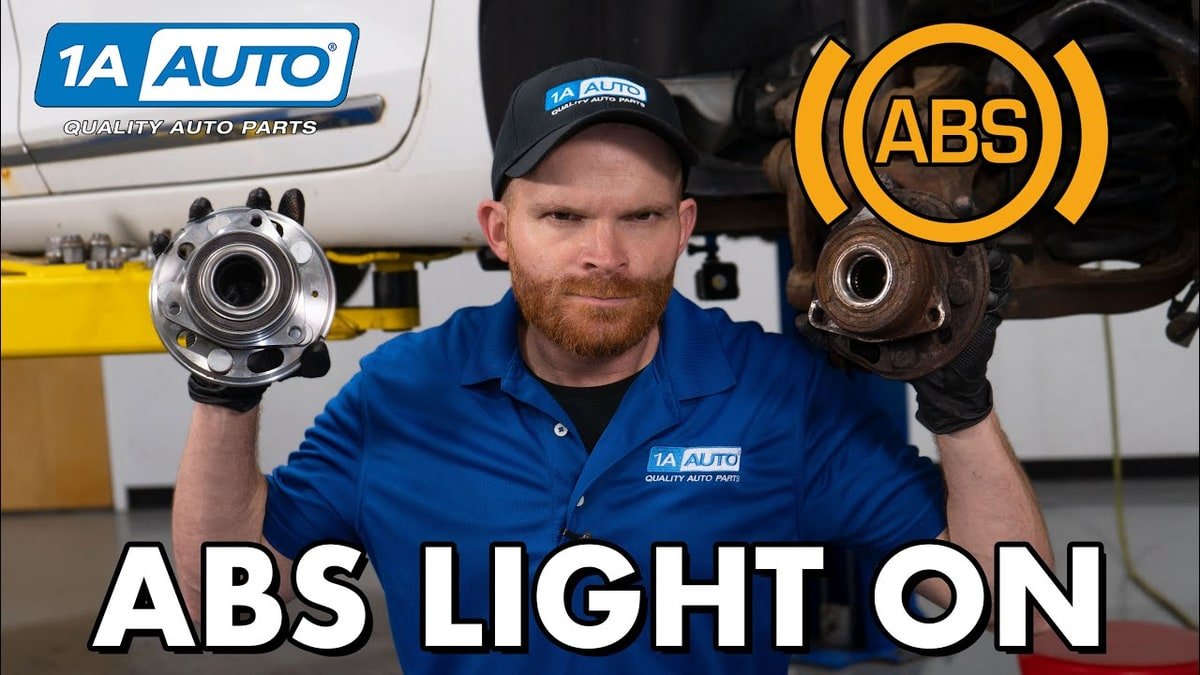
The wheel speed sensor was not the fault. The connector was stiff with the salt deposit I find on exposed electrical joints in this area from October through April, and it fought me before it would release. The brake dust on the nearside front was warm and uneven when I crouched to check the hub, a sign the ABS had been compensating intermittently. The ABS reluctor ring on the driveshaft had a damaged tooth, reading clean in static conditions but dropping signal at a specific wheel speed under load.
The code said sensor circuit and the reluctor ring was where the fault actually lived. That gap between the code and the cause maps directly onto what is happening to the repair market in both the UK and the US right now. Most garages can read the code. Far fewer can access the data layer that tells you what the code was only hinting at.
The vehicles coming through now are different from the ones I was diagnosing in 2011. Modern ABS systems, adaptive chassis units, and ADAS components communicate through manufacturer software portals that sit above and beyond the standard OBD port. An IAAF survey of over a thousand British drivers found 92% believe they should have the right to choose their repairer. The UK AFCAR coalition has documented independent garages being locked out of systems on makes including BMW, Audi, Mercedes, Range Rover, and Hyundai.
The gap between what a dealer technician sees on a manufacturer tool and what I see on a professional multi-brand scanner is not what it was five years ago. It is widening. The OBD port gives you the code and some of the live data. The manufacturer portal gives you calibration history, software version, and the specific sequence that distinguishes what the code pointed at from what actually failed.
The SERMI scheme went live in the UK on the 1st of April this year, which is a step in the right direction. It creates a certified route for independent garages to access security-related repair and maintenance data, with 22 brands committed at launch including JLR, Ford, and Peugeot. What it does not resolve is the wider calibration and programming access gap that manufacturers have been building for years. The legislation that is supposed to prevent this from steering customers toward dealers has not been enforced consistently enough to make a material difference.
The practical outcome for drivers is already visible if you look for it. Owners of modern BMWs, Range Rovers, and Mercedes models out of warranty are finding their preferred independent garage cannot complete certain repairs without referring them back to the dealer. The IMI has already warned of a postcode lottery developing as the used EV market grows, where your ability to find a qualified repairer depends on where you live. That pattern is not limited to EVs and it is not a future concern.
What main dealers are not saying out loud is that the access gap is commercially convenient for them. A car that only a dealer can fully diagnose and program is a car the dealer has a structural advantage in retaining for future servicing. The UK Motor Vehicle Block Exemption Order requires non-discriminatory access to repair data. The gap between what the legislation requires and what is happening on the ground in 2026 is wide enough to send a Range Rover through.
I can do things on a Bedfordshire driveway that most independent garages cannot, because I have invested in proper professional kit and keep the software current. What I hear when an ABS pump sounds slightly laboured, the strained note you get when a valve is partially blocked, tells me something a code screen cannot. What I cannot do is access a BMW or Mercedes programming environment without credentials the manufacturer decides whether to release. That limitation becomes a bigger problem every year as the proportion of connected vehicles on UK roads increases.
The reluctor ring on the BMW in Stopsley was replaced and the ABS pump ran a clean cycle when I tested it, the tone back to where it should be. The owner paid for the right repair instead of a third sensor that would not have solved anything. Fourteen years on Bedfordshire driveways teaches you that the two-tier market is not coming. It is already here, on every driveway where a connected vehicle sits waiting for someone with the right access to diagnose it properly.

Jimmy O’Riley is a UK-based mobile mechanic and automotive diagnostic specialist operating out of Bedfordshire, England. He founded O’Rileys Autos in 2011 with a focus on bringing professional vehicle repairs directly to customers at their homes and workplaces.
With over a decade of hands-on experience, Jimmy specializes in ABS diagnostics, brake system repairs, diesel emissions faults, and DPF cleaning. He is recognized across the UK and Ireland as one of the leading specialists in vehicle braking and emissions systems, earning the title “The DPF King” from his growing online audience.
Jimmy documents real-world automotive repairs through his YouTube channel, which has accumulated over 97,000 subscribers and nearly 2,000 published repair videos. His content covers ABS fault diagnosis, wheel speed sensor testing, brake module replacement, and roadside repair procedures across a wide range of vehicle makes and models.
He is active on YouTube, Instagram, and Facebook under O’Rileys Autos.