
There is a Volkswagen Golf on a driveway in Bedford with an ABS module that was replaced eight months ago. The owner paid a hundred and forty pounds fitted for a remanufactured unit, against a dealer quote of three hundred and twenty for a new one. The ABS light is back on.
He made a reasonable financial decision, and I want to be clear about that before I explain what I found. The price difference between a remanufactured ABS module and a new OEM unit is real, and in many cases the quality difference is not. In this case, it was.
The fault code was pointing at the ABS control module, which on a returning fault with a recently replaced unit is where I expected it to point. Live data on the scan tool showed inconsistent pump motor response during the ABS self-test cycle that runs at ignition on. The motor was running, but the current draw was erratic and the pressure build was slower than the module's own threshold.
The code said module fault. The live data said pump motor fault, which is a narrower and more specific finding. When I stripped the unit, the pump motor bearing had worn to the point where the armature was dragging under load. That bearing is a standard replacement item in a proper remanufacturing process, and this one had not been touched.
For official safety context, see this reference.
Remanufacturing is not reconditioning, and the difference matters. Reconditioning means the unit has been cleaned, pressure-tested, and returned to service with its original internal components intact. Remanufacturing, done properly, means worn components are identified and replaced to a defined specification before the unit is bench-tested against OEM performance data. The industry uses both terms, and sometimes uses them interchangeably, which is where the confusion and the price variation both originate.
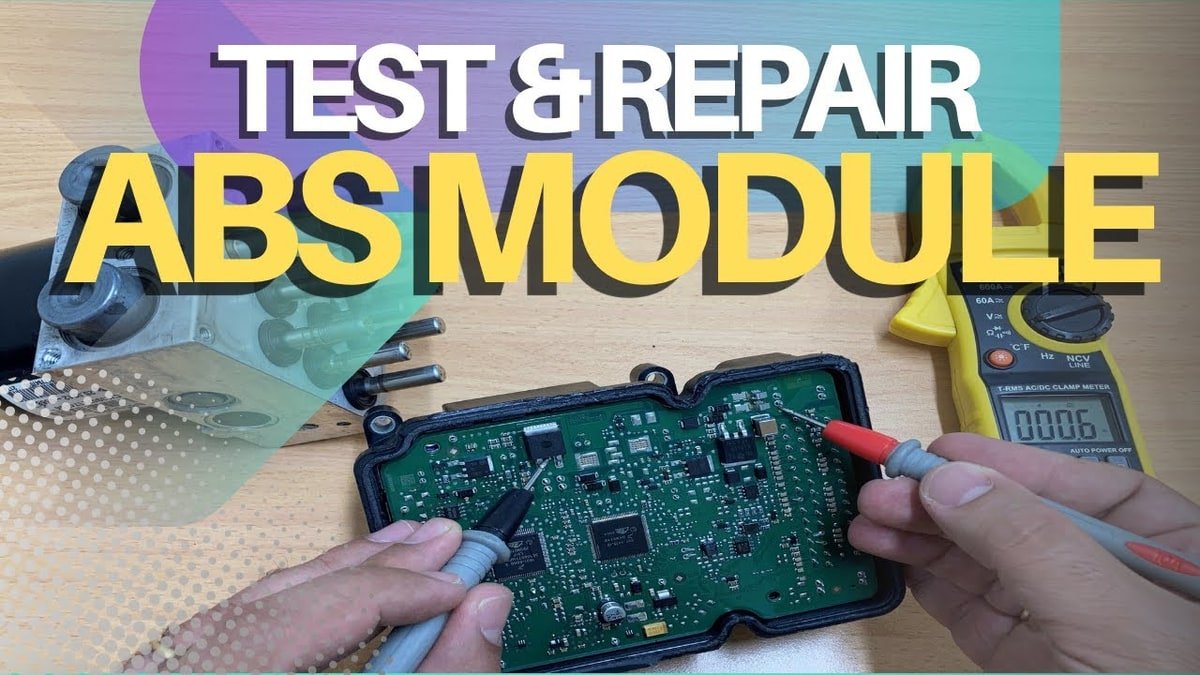
The unit on this Golf came from a supplier whose name I recognised from a pattern of returns I have been tracking informally for about two years. Their units arrive with a warranty and documentation that looks credible on the surface. The documentation does not specify which internal components were replaced, which is the question you want answered before fitting any remanufactured ABS module.
The evidence on properly remanufactured ABS modules from reputable suppliers is actually reassuring. Suppliers operating to ISO 9001 standards and testing to original equipment specifications produce units that perform identically to new on live data. The warranty periods reflect that confidence: twelve to twenty-four months on a properly remanufactured unit from a serious supplier is standard practice.
The names I fit without hesitation include Bosch Reman, Cardone Industries, and a small number of specialist UK rebuilders I have verified personally across multiple jobs. All of them provide component-level rebuild documentation, not a test certificate alone. A test certificate tells you the unit passed a pressure and electrical check on the day it left the supplier. It does not tell you what was wearing inside it before that check was run.
The cost argument for remanufactured ABS modules is legitimate when the unit comes from a supplier who has actually done the work the name implies. The saving against a new OEM unit is typically between forty and sixty percent, and on a properly remanufactured module the performance gap is negligible. On a unit that has been cleaned and certified rather than rebuilt, you are paying the remanufactured price for a reconditioned part.
The owner on this driveway in Bedford could not reasonably have known the difference at the point of purchase. The packaging, the warranty card, and the price all suggested a legitimate rebuilt unit. The component-level rebuild record that would have confirmed it did not exist, which is a question any customer is entitled to ask before any money changes hands.
The Golf needed the correct pump motor bearing this time, sourced and installed by a rebuilder I use for exactly this kind of repair. The second fix held, and the ABS light has been off for six weeks as of the last update from the owner. Closing the van up on that Bedford driveway, what I kept thinking was that remanufactured is not a safety category. It is a process description, and the process varies more than anyone selling these units is in a hurry to tell you.

Jimmy O’Riley is a UK-based mobile mechanic and automotive diagnostic specialist operating out of Bedfordshire, England. He founded O’Rileys Autos in 2011 with a focus on bringing professional vehicle repairs directly to customers at their homes and workplaces.
With over a decade of hands-on experience, Jimmy specializes in ABS diagnostics, brake system repairs, diesel emissions faults, and DPF cleaning. He is recognized across the UK and Ireland as one of the leading specialists in vehicle braking and emissions systems, earning the title “The DPF King” from his growing online audience.
Jimmy documents real-world automotive repairs through his YouTube channel, which has accumulated over 97,000 subscribers and nearly 2,000 published repair videos. His content covers ABS fault diagnosis, wheel speed sensor testing, brake module replacement, and roadside repair procedures across a wide range of vehicle makes and models.
He is active on YouTube, Instagram, and Facebook under O’Rileys Autos.