Power Steering Fluid: Definition, 4 Types, 5 Warning Signs, and Change Intervals
Power steering fluid is a hydraulic fluid that transfers force from the steering system to the wheels. It lowers steering effort, lubricates moving parts, and removes heat. Car manufacturers prescribe more than 10 different power steering oil types as mandatory.
What Is Power Steering Fluid?
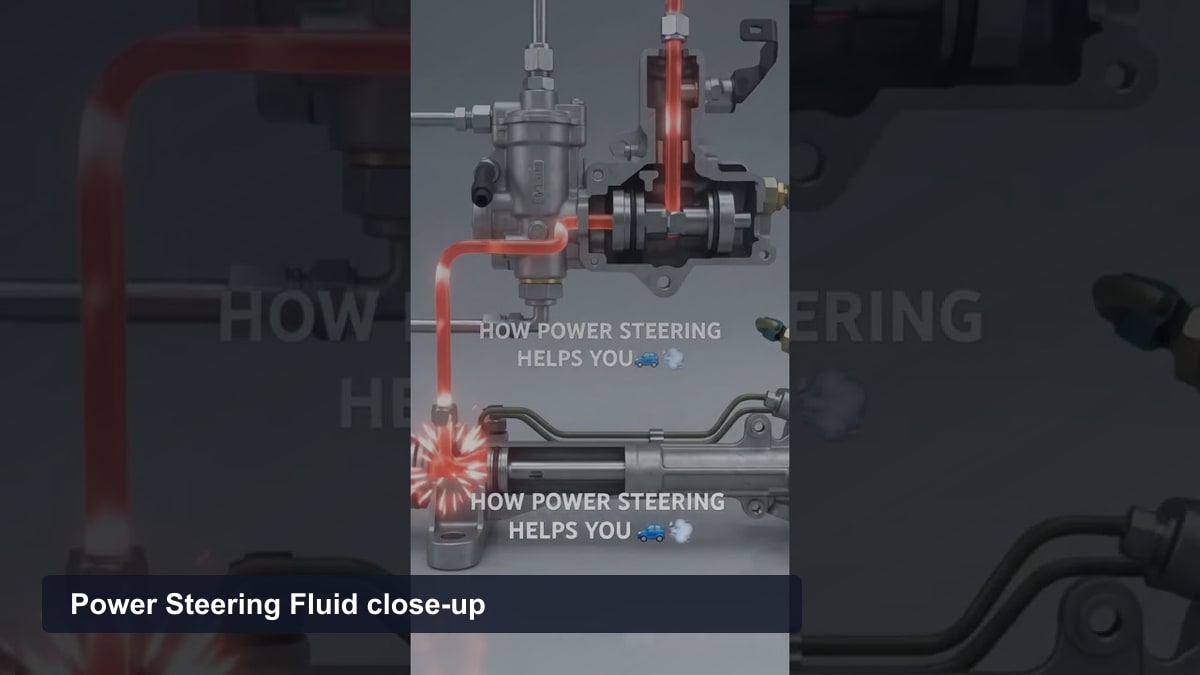
Power steering fluid is a hydraulic fluid that carries force from the steering input to the wheels and lowers the effort needed to turn them. Examples include conventional fluid, synthetic fluid, and automatic transmission fluid (ATF). The pump pressurizes the fluid when the driver turns the steering wheel, and the pressure assists the steering components.
What Does Power Steering Fluid Do?
Power steering fluid performs 4 main functions in the steering system:
- Transfers hydraulic force from the steering wheel to the wheels.
- Lubricates the moving parts of the steering system.
- Dissipates heat that builds up during vehicle operation.
- Protects components against corrosion and rust through additives.
What Are the Types of Power Steering Fluid?
Power steering fluid comes in 4 types: conventional, synthetic, ATF, and manufacturer-specific fluid. Table 1 compares the 4 types by base composition and typical use.
Table 1: Power steering fluid types by base composition and typical use
| Fluid type | Base composition | Typical use |
|---|---|---|
| Conventional | Non-synthetic base oils | Vehicles that specify standard fluid |
| Synthetic | Synthetic base oils | Pump wear protection and temperature extremes |
| ATF | Automatic transmission fluid | Vehicles that specify ATF for the steering system |
| Manufacturer-specific | Varies by manufacturer | Vehicles with OEM-prescribed fluid |
Conventional fluid uses non-synthetic base oils, and some vehicles specify ATF in the steering system. AMSOIL, a lubricant manufacturer, states that synthetic fluid gives the best protection against pump wear and performs best in temperature extremes. MPM, another oil manufacturer, reports that car manufacturers prescribe more than 10 different power steering oil types. Examples include Honda-specific fluid and CHF 11S fluid used in some European vehicles.
For related reading, see Custom Accessories Gripper Series Steering Wheel Cover: Definition, 8 Specifications, Size Fit, and Price. The same maintenance context also connects with Custom Accessories Gripper Series Steering Wheel Cover.
What Are the Signs of Bad or Low Power Steering Fluid?
The 5 main signs are whining noise, stiff steering, fluid leaks, low fluid level, and dark fluid.
Why Does Power Steering Fluid Cause a Whining Noise?
A low fluid level lets the pump pull in air. The air causes cavitation inside the pump, and cavitation produces the whining sound. Whining or groaning when the driver turns the wheel indicates low fluid, a bad pump, or another system issue.

Why Does Steering Feel Stiff?
Stiff steering is one of the most common power steering symptoms. Heavy steering at low speeds indicates insufficient hydraulic pressure for the steering gear, and a failing pump is the most common cause.
What Does a Power Steering Fluid Leak Look Like?
A red, pink, amber, or clear puddle under the vehicle indicates a power steering fluid leak. Common leak points include the pump, hoses, and the rack-and-pinion or steering gear box.
What Does a Low Fluid Level Indicate?
A low fluid level most often indicates a leak at a hose connection, a pump seal, or a steering box seal. Low fluid damages the pump, if left unchecked.
What Does Dark Fluid Indicate?
Dark and dirty fluid indicates a need for replacement. Fluid collects wear material and debris and degrades through oxidation over time.
For a reliable reference point, see NHTSA recalls and vehicle safety.
How Often Does Power Steering Fluid Need Changing?
Change intervals vary by vehicle, and the owner’s manual lists the interval for each model. Car manufacturers usually omit fluid replacement from the regular maintenance schedule. MPM states that a flush and change every 120,000 km (about 74,600 miles) limits problems caused by metal particles.
How to Check Power Steering Fluid?
Check power steering fluid in 5 steps:
- Consult the owner’s manual for the fluid specification and checking procedure.
- Park the vehicle on level ground.
- Locate the power steering reservoir under the hood.
- Read the fluid level against the marks on the reservoir or dipstick.
- Inspect the fluid for dark color or debris.
People Also Ask About Power Steering Fluid
What Color Is Power Steering Fluid?
Power steering fluid appears red, pink, amber, or clear, depending on the type.
Can ATF Replace Power Steering Fluid?
ATF replaces power steering fluid only in vehicles whose manufacturers specify ATF for the steering system.
What Happens if Power Steering Fluid Is Low?
Low fluid lets the pump draw in air, which produces a whining noise and can damage the pump.
Do Electric Power Steering Systems Need Fluid?
Fully electric power steering systems use an electric motor and need no power steering fluid.
Is Power Steering Fluid the Same as Brake Fluid?
No, brake fluid and power steering fluid are separate fluids for separate systems.
What Is Power Steering Fluid and Why Does It Matter?
Power steering fluid is a hydraulic fluid that transfers force, lubricates parts, dissipates heat, and protects against corrosion. Fluid type, level, and condition affect steering effort and pump wear. The 5 warning signs are whining noise, stiff steering, leaks, low fluid level, and dark fluid.