Preview
Inner Steering Rod: Definition, 3 Functions, 6 Failure Symptoms, and 7 Replacement Steps
Meta description: Inner steering rod definition, 3 functions, 6 failure symptoms, 7 replacement steps, and costs for rack and pinion steering, backed by NHTSA recall data.
What Is an Inner Steering Rod?
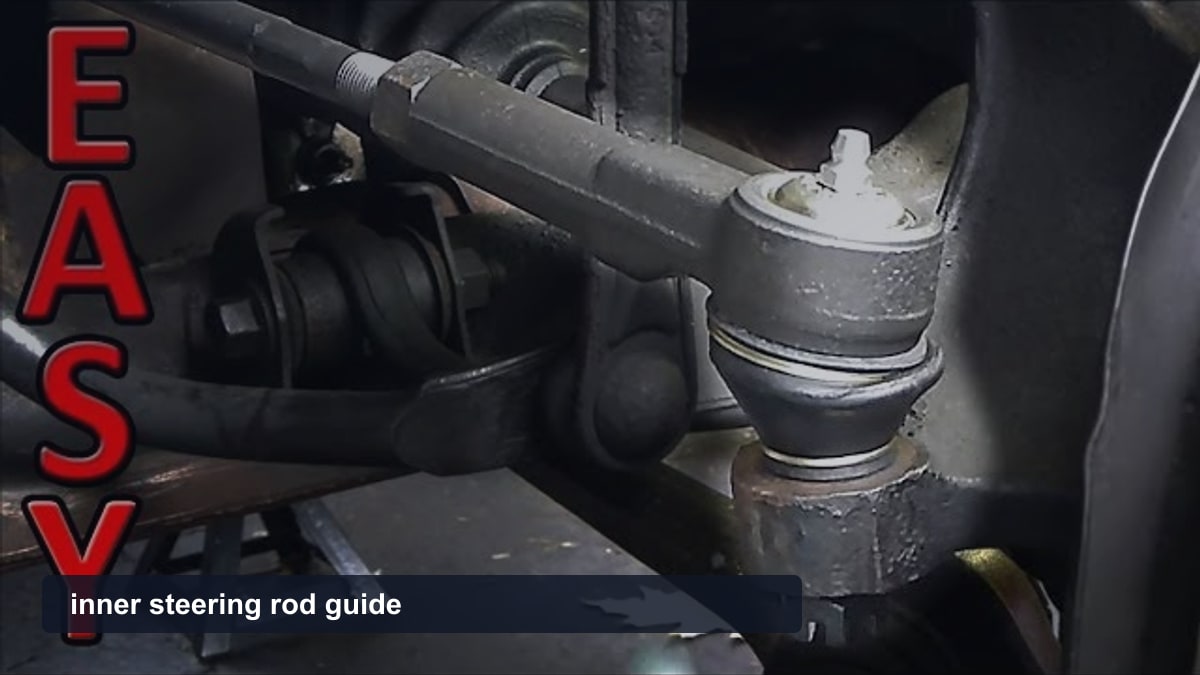
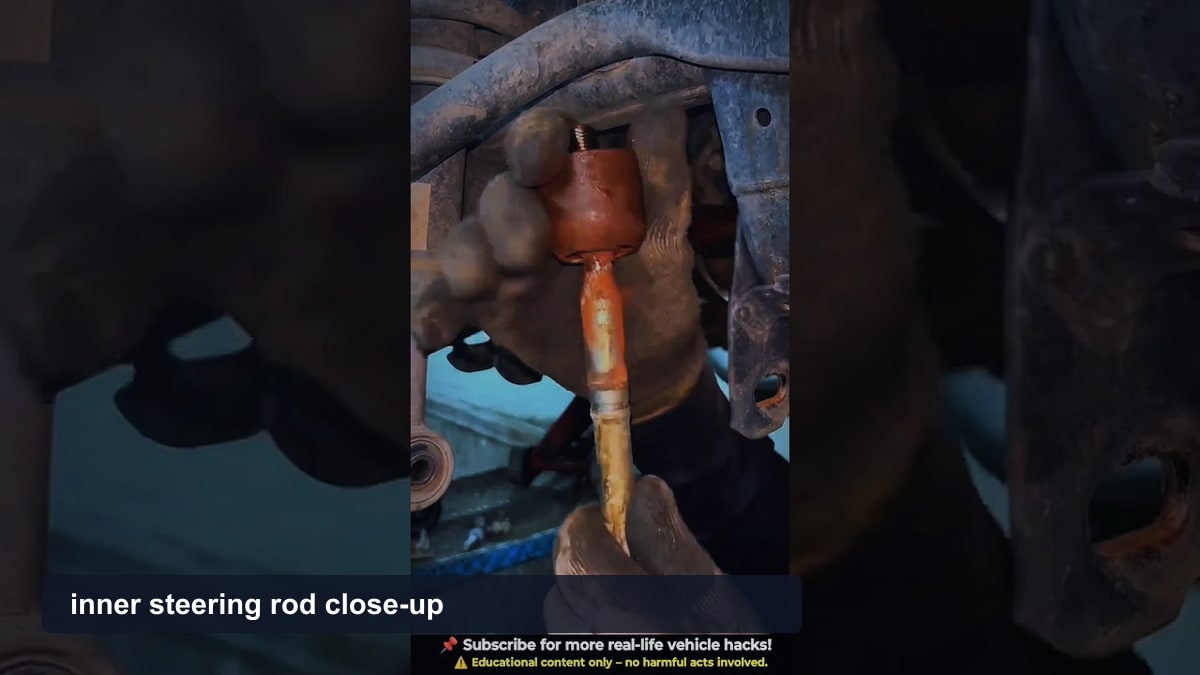
An inner steering rod, also called an inner tie rod, is the rod that attaches directly to the steering rack. The outer tie rod end connects the inner rod to the steering knuckle. Rack and pinion steering gears have a flexible inner tie rod end and an outer tie rod end.
What Parts Make Up an Inner Steering Rod?
An inner steering rod has 3 parts: a rod, an inner tie rod end, and a rubber boot. The list below describes each part:
- Rod: forms the shaft that links the rack to the inner tie rod end.
- Inner tie rod end: contains the ball joint that rotates up and down in its socket.
- Rubber boot: covers the greased inner joint as the steering rack boot.
Mechanics buy the rod and the inner tie rod end as one unit, because the ball joint assembly cannot be replaced alone.
How Does an Inner Steering Rod Work?
An inner steering rod works by moving with the steering rack and pushing or pulling the outer tie rod end. The inner rod attaches directly to the rack, and the outer tie rod connects to the steering knuckle. The process has 6 steps:
For related reading, see Power Steering Pump Replacement Cost: ₦50,000 to ₦150,000, 5 Price Factors, and Parts Prices in Nigeria. The same maintenance context also connects with Power Steering Pump Replacement Cost.
- The driver turns the steering wheel.
- The steering shaft turns the pinion gear.
- The pinion gear moves the rack left or right.
- The inner steering rod moves with the rack.
- The outer tie rod end moves the steering knuckle.
- The wheels turn left or right.
What Are the 3 Functions of an Inner Steering Rod?
An inner steering rod performs 3 functions: transferring rack movement, pivoting with the suspension, and keeping the tires pointing straight. The list below explains each function:
- Transferring rack movement: passes the side-to-side rack movement to the outer tie rod end.
- Pivoting with the suspension: rotates in its ball-and-socket joint as the wheels move up and down.
- Keeping the tires pointing straight: holds the wheels straight ahead during straight driving.
Does Every Steering System Have an Inner Steering Rod?
No, the inner steering rod belongs to rack and pinion steering, where it connects directly to the rack. A conventional steering gear uses a different layout, in which a pitman arm moves a drag link, center link, idler arm, and tie rods.
What Is the Difference Between Inner and Outer Tie Rods?
The inner steering rod attaches directly to the steering rack, and the outer tie rod connects to the steering knuckle. The table below compares both components by location, protection, and wear pattern.
| Component | Location | Protection | Wear pattern |
|---|---|---|---|
| Inner steering rod | Attached directly to the steering rack | Steering rack bellows boot | Boot tears and dirt enters the joint |
| Outer tie rod end | Between the inner rod and the steering knuckle | Small rubber or plastic boot | Debris and moisture wear the joint |
The outer tie rod end fails before the inner rod in most cases, because rocks and debris tear its boot.
What Are the 6 Symptoms of a Bad Inner Steering Rod?
A bad inner steering rod causes 6 main symptoms: steering play, wandering, clunking noises, uneven tire wear, steering wheel vibration, and pulling to one side. The list below explains each symptom:
- Steering play: indicates tie rod wear and is the most common sign.
- Vehicle wandering: indicates a worn rod, when the driver constantly corrects the steering to hold direction.
- Clunking noises: indicate a loose joint, shown as clunking, rattling, or knocking from the front end.
- Uneven tire wear: indicates misaligned tie rods.
- Steering wheel vibration: indicates a possible worn tie rod, although vibration alone does not confirm the cause.
- Pulling to one side: indicates misalignment caused by a bad tie rod.
A loose tie rod end can produce no symptoms at all.
What Causes an Inner Steering Rod to Wear Out?
Loss of grease from a damaged boot is the single most common cause of tie rod end failure, according to ASE Master Technician Rick Muscoplat. The list below names 6 causes:
- Torn boot: lets moisture and debris enter the joint.
- Loss of grease: removes lubrication from the joint.
- Moisture corrosion: rusts the joint after the boot cracks.
- Road salt: weakens the rod through rust.
- Heavy loads: wear tie rod ends faster in heavier vehicles such as SUVs.
- Rough roads: call for more frequent tie rod checks, and local mechanics in Nigeria treat suspension damage from bad roads as a common problem.
How Do Mechanics Check an Inner Steering Rod?
Mechanics check an inner steering rod by feeling for in and out movement at the inner joint. The test has 4 steps:
- Support the vehicle on stands, because a jack alone does not secure the vehicle.
- Reach behind the wheel and grip the inner steering rod through the bellows boot.
- Look for in and out movement at the inner joint.
- Ignore up and down movement, because the ball joint rotates up and down in its socket by design.
The results lead to 3 actions:
- Replace the inner steering rod, if the boot is torn and the joint has play.
- Replace the boot, if the boot is torn and the joint has no play.
- Replace both sides, if both sides have play.
These actions follow Friday Parts guidance.
How Is an Inner Steering Rod Replaced?
Mechanics replace an inner steering rod in 7 steps using an inner tie rod removal wrench set and a pin punch.
For a reliable reference point, see NHTSA recalls and vehicle safety.
- Disconnect the outer tie rod end from the steering knuckle.
- Unscrew the outer tie rod end from the inner steering rod.
- Remove the protective boots from the rack and the inner steering rod.
- Remove the roll pin, if the inner steering rod end has one.
- Unscrew the inner steering rod end while holding the rack with pliers.
- Install the new inner steering rod and the outer tie rod end.
- Align the vehicle.
An alignment is required whenever a tie rod or tie rod end is replaced, according to Rick Muscoplat.
Related reading: [internal link: Outer Tie Rod End]
Are Both Inner Steering Rods Replaced at the Same Time?
Mechanics replace both inner steering rods together, when both sides show play. MechanicBase states that tie rod replacement occurs in pairs.
What Do NHTSA Recalls Show About Inner Steering Rod Failures?
NHTSA recall records document inner tie rod separation that caused loss of steering in 3 recalls between 1990 and 2026. The July 2026 recall covers NAPA inner tie rod ends, part number 269-3813, sold as replacement parts for 2013 to 2018 Ford C-Max, 2013 to 2019 Ford Escape, and 2012 to 2018 Ford Focus vehicles. A loss of steering increases the risk of a crash. The table below lists the 3 recalls.
| NHTSA recall ID | Reported | Recalled item | Vehicles affected | Defect | Potential result |
|---|---|---|---|---|---|
| 26E045 | July 2026 | NAPA inner tie rod ends, part 269-3813 | 5,290 | Tie rod end stud may separate | Loss of steering |
| 14V-246 | May 2014 | Inner tie rods on the 2014 Chevrolet Silverado | 477 | Threaded attachment may not be tightened to the steering gear rack | Loss of steering |
| 90V074 | April 1990 | General Motors inner tie rod | 242 | Improperly torqued clamp fasteners may loosen the tie rod | Loss of steering control |
The vehicle counts and defects come from the 2026 recall, the 2014 recall, and the 1990 recall.
How Much Does Inner Steering Rod Replacement Cost?
Inner steering rod replacement costs $250 to $650 per side in the United States, according to Rick Muscoplat. The job is more labor-intensive than outer tie rod replacement, because the inner rod sits under the rack and pinion bellows boot. Ball joints and tie rods cost ₦10,000 to ₦20,000 per item in Nigeria, according to Naira Autos. Sure Mech lists the same range. The table below lists the cost items.
| Cost item | Estimate | Basis |
|---|---|---|
| Inner steering rod replacement, per side (United States) | $250 to $650 | Rick Muscoplat, ASE Master Technician |
| Outer tie rod replacement, per side, including alignment (United States) | $150 to $400 | Rick Muscoplat, ASE Master Technician |
| 2012 Chevrolet Malibu, both sides with alignment (United States) | Approximately $528 | Genuine GM part at $120 and labor at $110 per hour |
| Ball joint or tie rod, per item (Nigeria) | ₦10,000 to ₦20,000 | Naira Autos and Sure Mech |
| Tyre balancing and alignment (Nigeria) | ₦10,000 to ₦20,000 | Naira Autos and Sure Mech |
The Malibu example comes from Muscoplat’s replacement guide. The Nigerian figures list parts only and exclude labor.
Related reading: [internal link: Power Steering Pump Replacement Cost]
What Are People Also Asking About the Inner Steering Rod?
Where Is the Inner Steering Rod Located?
The inner steering rod attaches directly to the steering rack under the steering rack boot.
Can a Bad Inner Steering Rod Cause an Accident?
A bad inner steering rod can separate and cause a loss of steering, according to NHTSA recall records.
Is a Wheel Alignment Required After Replacing an Inner Steering Rod?
An alignment is required whenever a tie rod or tie rod end is replaced.
How Long Do Tie Rod Ends Last?
Most tie rod ends last 70,000 to 150,000 miles, which equals about 113,000 to 241,000 kilometers.
What Is an Inner Steering Rod Used For?
An inner steering rod connects the steering rack to the outer tie rod end, which turns the wheels.