Formula 1 Steering Wheel: Definition, 25 Controls, Cost, and 2026 Changes
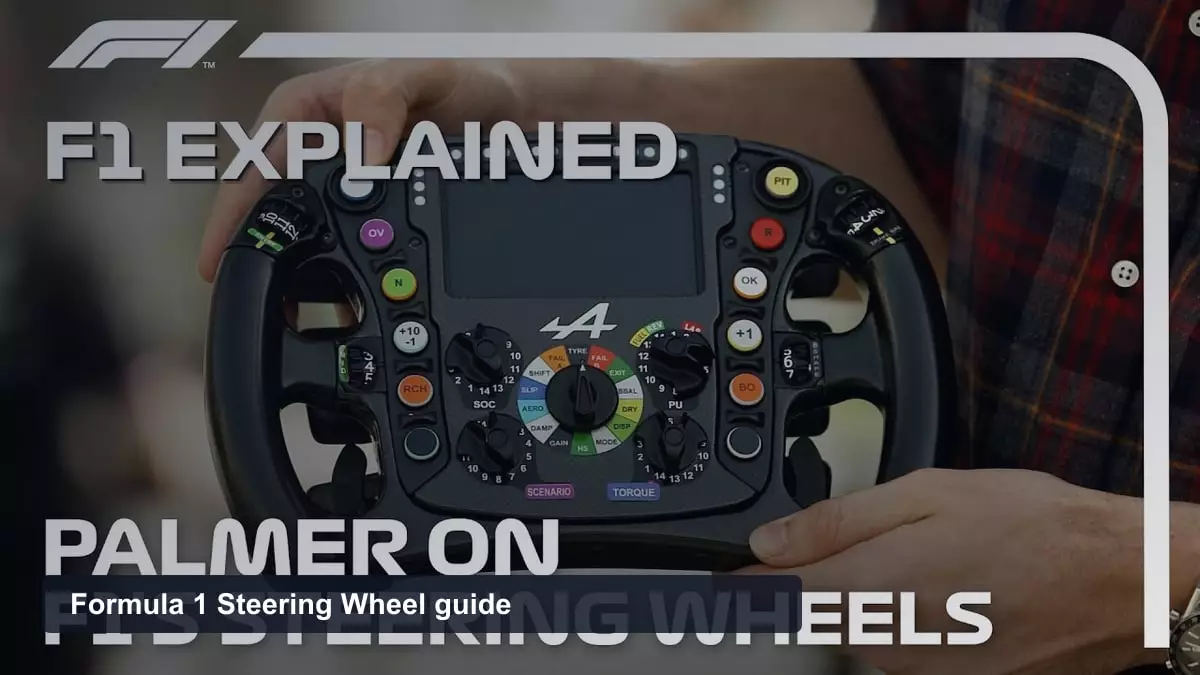
A Formula 1 steering wheel is a carbon fiber control hub that lets the driver steer and operate the car’s main systems. A modern wheel holds roughly 25 controls and one central LCD screen. Estimated cost ranges from $40,000 to $100,000, according to RTR Sports.
What Is a Formula 1 Steering Wheel?
A Formula 1 steering wheel is a carbon fiber control hub through which the driver manages the car during a race. Each wheel is built to order for a specific team and driver. Examples of controls include radio communication, brake bias, and differential settings. Table 1 lists 6 specifications of a modern wheel.
Table 1: Formula 1 steering wheel specifications
| Attribute | Value |
|---|---|
| Material | Carbon fiber |
| Weight | As low as 1.3 kg (2.86 lb) |
| Controls | About 25 buttons, switches, and paddles |
| Display | Central LCD |
| Estimated cost | $40,000 to $100,000 |
| Build type | Custom, built to order |
What Does a Formula 1 Steering Wheel Control?
A Formula 1 steering wheel controls 8 functions:
- Radio communication with the pit team.
- Energy recovery system (ERS) deployment.
- Engine mode selection.
- Brake bias adjustment.
- Differential settings.
- Pit lane speed limiter activation at 60 or 80 km/h, depending on the circuit.
- Drink button operation for helmet hydration.
- Gear changes through paddles.
How Many Buttons Does a Formula 1 Steering Wheel Have?
A Formula 1 steering wheel has roughly 25 controls made up of buttons, rotary switches, and paddles. Jalopnik reports that Mercedes listed 25 buttons, switches, and paddles on its 2019 wheel. Layouts differ between drivers on the same team, and Ferrari adapted its wheel for Lewis Hamilton to mimic his former Mercedes wheel. According to TimesLive, aircraft-grade switches resist accidental presses under vibration.
How Much Does a Formula 1 Steering Wheel Cost?
A Formula 1 steering wheel costs an estimated $40,000 to $100,000, depending on the team, the electronics, and the specification. RTR Sports notes that no team has officially confirmed an exact figure. Motor1 places the cost near $50,000. 4 factors drive the cost:
For related reading, see Custom Steering Wheels: Definition, 4 Types, 4 Benefits, and Airbag Rules. The same maintenance context also connects with Custom Steering Wheels.
- Limited production runs.
- Custom builds for each team and driver.
- Carbon fiber construction.
- Integrated electronics, including circuit boards and processors.
What Is a Formula 1 Steering Wheel Made Of?
A Formula 1 steering wheel is made of carbon fiber. Inside the carbon fiber shell sit circuit boards, processors, and copper wiring. Carbon fiber outperforms steel in strength per unit of weight. According to Motor1, wheel weight reaches as low as 1.3 kg (2.86 lb), despite the display and controls.
How Has the Formula 1 Steering Wheel Changed Over Time?
The Formula 1 steering wheel evolved from a three-spoke wheel into a multi-function control hub. 6 milestones, according to Motor1 and Jalopnik, include:
- 1957: Stirling Moss used a three-spoke wheel.
- Before the 2000s: Buttons, knobs, shift paddles, lights, a hand clutch, and a digital display appeared.
- 2000s: Controls for engine mapping, brake bias, differential settings, radio, traction control, and the pit speed limiter arrived.
- 2003: The FIA banned two-way telemetry, which made the driver the only source of setting adjustments.
- 2014: V6 hybrid engines added more switches.
- 2026: Boost, Overtake Mode, and active aero controls arrived.
What Changed on the Formula 1 Steering Wheel in 2026?
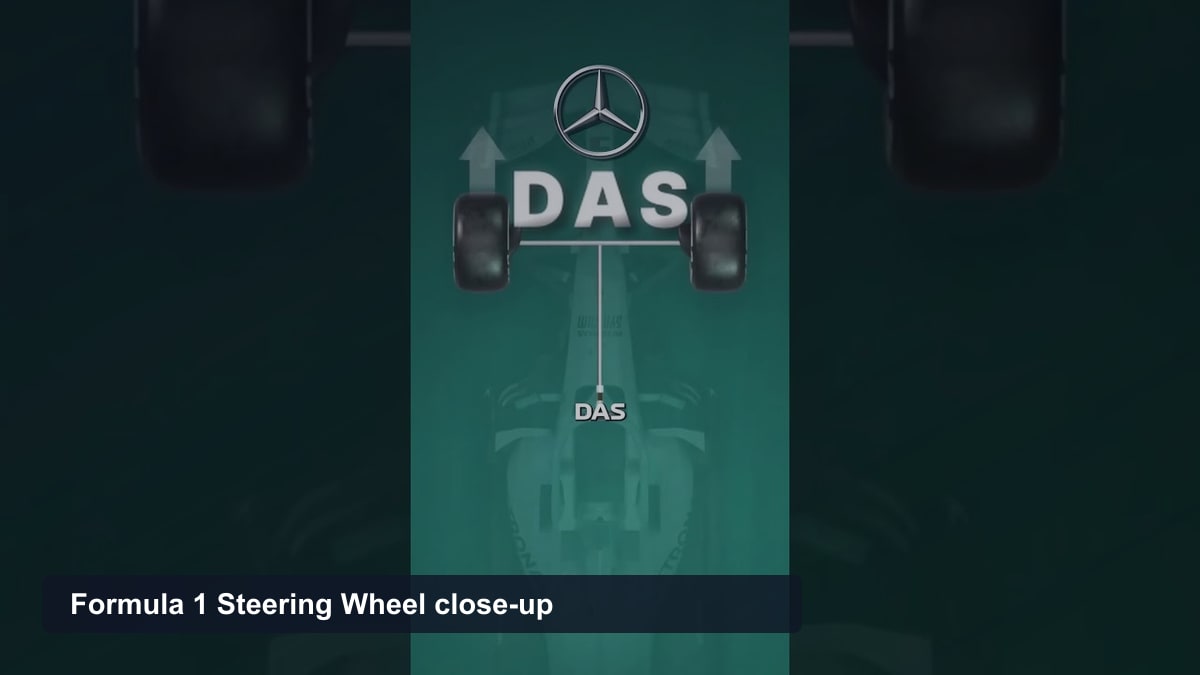
According to McLaren and Motor Sport Magazine, the 2026 wheel adds 3 controls: Boost, Overtake Mode, and active aero. These controls replace the Drag Reduction System (DRS), in place since 2011.
What Does the Boost Button Do?
The Boost button gives the driver control over when the power unit produces maximum output.
What Does Overtake Mode Do?
A car that trails the car ahead by 1 second or less at the detection point receives Overtake Mode on the next lap. The detection point is the final corner on most circuits.
How Does Overtake Mode Change Top Speed?
Energy deployment for the lead car tapers off after 180 mph, while the chasing car keeps extra power up to 209 mph.
For a reliable reference point, see Formula 1 technical regulations.
What Does Active Aero Do?
Active aero moves the front and rear wing flaps between Straight Mode, which cuts drag, and Corner Mode, which restores downforce. Drivers switch modes with a steering wheel button inside designated zones.
People Also Ask About the Formula 1 Steering Wheel
Why Does a Formula 1 Steering Wheel Have So Many Buttons?
The driver is the only source of in-race setting adjustments, so the wheel holds those controls, according to Jalopnik.
How Much Does a Formula 1 Steering Wheel Weigh?
A Formula 1 steering wheel weighs as low as 1.3 kg (2.86 lb), according to Motor1.
How Many Gear Shifts Do Formula 1 Drivers Make Per Lap?
TimesLive reported in 2019 that drivers make around 50 gearshifts per lap.
Does a Formula 1 Steering Wheel Have a Drink Button?
Yes, a drink button on the wheel lets the driver draw liquid from a pouch linked to the helmet, according to Motor1.
Did Overtake Mode Replace DRS?
Yes, Overtake Mode and active aero replaced DRS from the 2026 season, according to McLaren.
What Is a Formula 1 Steering Wheel and What Does It Do?
A Formula 1 steering wheel is a carbon fiber control hub with about 25 controls and a central LCD display. It operates radio communication, energy recovery, engine modes, brake bias, differential settings, and gear paddles. The 2026 wheel adds Boost, Overtake Mode, and active aero controls.