
Auto Gearbox Fluid: Types, Change Intervals, and 7 Warning Signs Explained
What Is Auto Gearbox Fluid?
Auto gearbox fluid, also called automatic transmission fluid or ATF, is the hydraulic oil inside an automatic transmission. It lubricates, cools, and pressurizes the system so it can shift gears. It circulates through the transmission’s valve body, clutch packs, and torque converter, carrying the pressure that engages each gear.
Auto gearbox fluid and automatic transmission fluid describe the same product. Gearbox is the term commonly used in British and international English, while transmission is more common in American English.
Major manufacturers develop their own formulations. Examples include Dexron from General Motors, Mercon from Ford, ATF+4 from Stellantis, and dedicated CVT and DCT fluids for continuously variable and dual-clutch transmissions. These fluid types are not interchangeable. Using the wrong type disrupts clutch engagement and causes poor shift quality. Each fluid uses different friction modifiers that control how firmly the clutches grab.
What Does Auto Gearbox Fluid Do?
Auto gearbox fluid performs 4 main functions inside an automatic transmission.
- Lubricates internal components and reduces metal-to-metal wear
- Transmits hydraulic pressure that engages clutch packs and shifts gears
- Dissipates heat generated by friction and torque converter operation
- Conditions clutch surfaces so engagement stays smooth instead of shuddering
Each function depends on fresh fluid. As fluid ages, its friction modifiers break down and its ability to hold pressure weakens. This connects these functions directly to the maintenance schedule covered next.
What Are the Main Types of Auto Gearbox Fluid?
The auto gearbox fluid market has 5 main types: Dexron, Mercon, ATF+4, CVT fluid, and DCT fluid. Each type is engineered for a specific transmission design, and the owner’s manual lists the exact specification a vehicle requires.
The table below compares the five types by manufacturer, common vehicles, and compatibility.
| Fluid Type | Primary Manufacturer | Common Vehicles | Compatible With Other Types |
|---|---|---|---|
| Dexron VI | General Motors | Chevrolet, GMC, Buick, Cadillac | Backward compatible with earlier Dexron versions, not compatible with Mercon or ATF+4 |
| Mercon V / LV | Ford | Ford, Lincoln | Not interchangeable with Dexron or ATF+4 |
| ATF+4 | Stellantis (Chrysler, Dodge, Jeep, Ram) | Ram 1500, Jeep Grand Cherokee, Dodge Durango | Backward compatible with ATF+3, not compatible with Dexron or Mercon |
| CVT Fluid | Nissan, Toyota, Honda, Subaru | Nissan Altima, Honda Civic, Subaru Outback | Not interchangeable with standard ATF |
| DCT Fluid | Volkswagen, Ford, Hyundai | VW Golf (DSG), Ford Focus, Hyundai Veloster | Specific to dual-clutch design, not interchangeable with standard ATF |
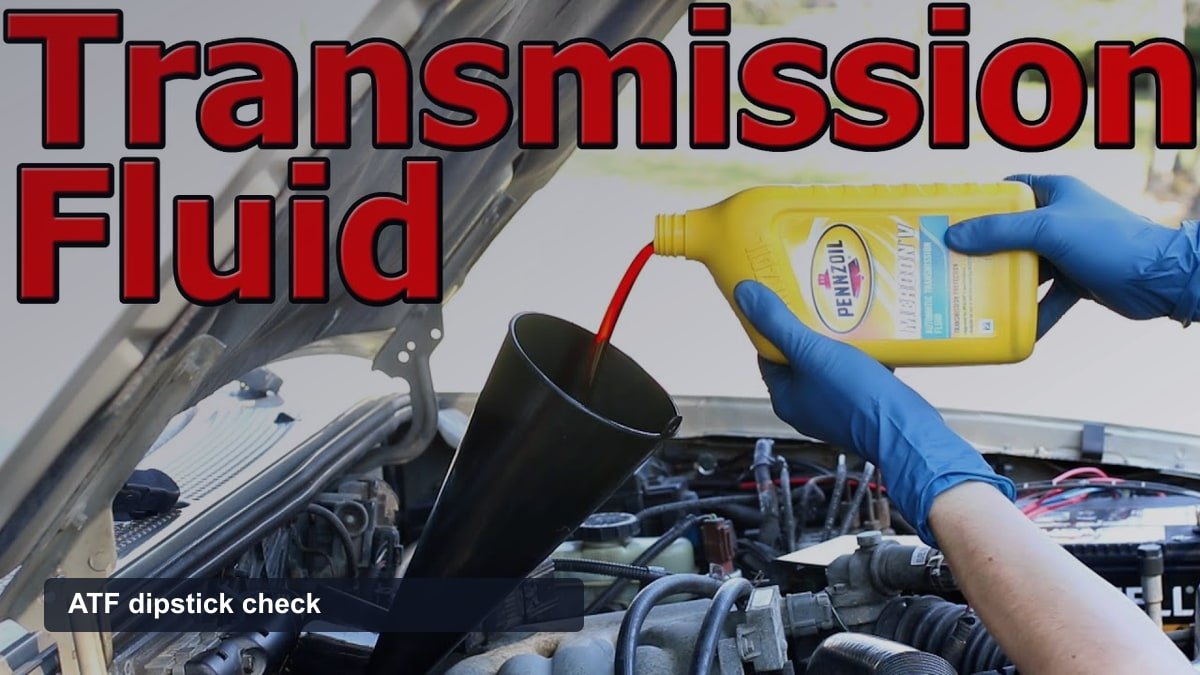
Full-synthetic formulations are now common across Dexron VI, Mercon LV, and ATF+4 fluids. These resist oxidation better than older conventional fluids. This is part of why some manufacturers extend change intervals toward the 100,000-mile end of the range. Multi-vehicle ATF products are also available, engineered to meet several OEM specifications at once, letting one product cover a wider range of vehicles.
Auto gearbox fluid is sold at auto parts stores and dealerships. Matching the specification code, such as Dexron VI or ATF+4, is more reliable than matching by brand name alone, since several brands license the same specification.
How Often Should Auto Gearbox Fluid Be Changed?
Most manufacturers recommend changing auto gearbox fluid every 30,000 to 100,000 miles, depending on the transmission type, fluid, and driving conditions.
Normal driving conditions support the longer end of that range, closer to 60,000 to 100,000 miles, especially with modern synthetic ATF. Severe duty shortens the interval to 30,000 to 40,000 miles. Severe duty includes frequent towing, stop-and-go city driving, mountainous terrain, and extreme heat.
Manufacturer schedules vary widely by model. The 2018 Ford F150 calls for a change at 150,000 miles. The 2017 Jeep Wrangler ranges from 60,000 to 120,000 miles depending on towing use. Volkswagen’s DSG dual-clutch transmission, in 2012 model-year applications, calls for a change every 40,000 miles. This range shows why the owner’s manual, not a generic number, is the most reliable source for a specific vehicle.
Some manufacturers label their fluid as a lifetime fill and do not list a scheduled change interval. Even in these transmissions, checking the fluid condition around 100,000 miles helps confirm it has not degraded or leaked.
Neglecting the service carries a real cost difference. A routine fluid change can run as low as $80, while a transmission rebuild made necessary by degraded fluid typically costs $4,500 to $6,000.
What Are the Signs of Bad Auto Gearbox Fluid?
Bad auto gearbox fluid produces 7 common warning signs.
- Delayed engagement when shifting from park into drive or reverse
- Gear slipping or unexpected RPM flare while driving
- A burnt smell coming from the fluid or dipstick
- Dark brown or black fluid color instead of translucent red
- Grinding, whining, or humming noises during gear changes
- Fluid leaks visible as red or brown spots under the vehicle
- A check engine light or transmission warning light on the dashboard
Any of these signs point to fluid that needs inspection. A mechanic can check the fluid’s color, smell, and level to confirm whether a change resolves the issue or a deeper transmission problem exists. Vehicles with a transmission temperature gauge offer an early warning too. Fluid temperatures above 230°F accelerate breakdown. A persistent high reading is a reason to have the fluid checked, even before other symptoms appear.
How Much Does an Auto Gearbox Fluid Change Cost?
A basic auto gearbox fluid drain and refill costs $80 to $250 in the United States, based on repair-estimate data from AutoZone and RepairPal. A full flush with a filter change typically runs $150 to $475. Dealership pricing for specialty fluids, including CVT and DCT fluids, often reaches $450 to $700. These fluids cost more per quart, and some sealed transmissions need a scan tool to set the fill level.
Price depends on three factors: the fluid specification a vehicle requires, whether the filter gets replaced, and regional labor rates. Quick-lube chains tend to advertise the lowest prices for common vehicles, while dealerships and specialty transmission shops charge more for OEM-specific fluid and sealed-transmission service.
Is Auto Gearbox Fluid the Same as Manual Gearbox Oil?
No. Auto gearbox fluid and manual gearbox oil serve different mechanical roles, even though both lubricate a transmission’s moving parts.
Auto gearbox fluid works as a hydraulic fluid in addition to a lubricant. It transmits pressure through the valve body to engage clutch packs and shift gears automatically. It also needs friction modifiers that let those clutches engage smoothly. Manual gearbox oil, often called gear oil, is a thicker lubricant built to protect gears and brass synchronizers under direct mechanical load from the clutch and shifter. It does not need hydraulic or friction-modifying properties, since a driver operates the gear changes directly rather than the fluid.
Manual gearbox oil is also graded by viscosity and API service class, such as GL-4 for most passenger cars and GL-5 for heavy-duty trucks or performance vehicles. Auto gearbox fluid does not use this grading system, since ATF specifications are set directly by vehicle manufacturers rather than API service classes.
Some modern manual transmissions specify automatic transmission fluid instead of traditional gear oil. The owner’s manual lists the exact specification for either transmission type. Mixing the two fluid categories causes hard shifting or accelerated wear.
How Do You Check Auto Gearbox Fluid at Home?
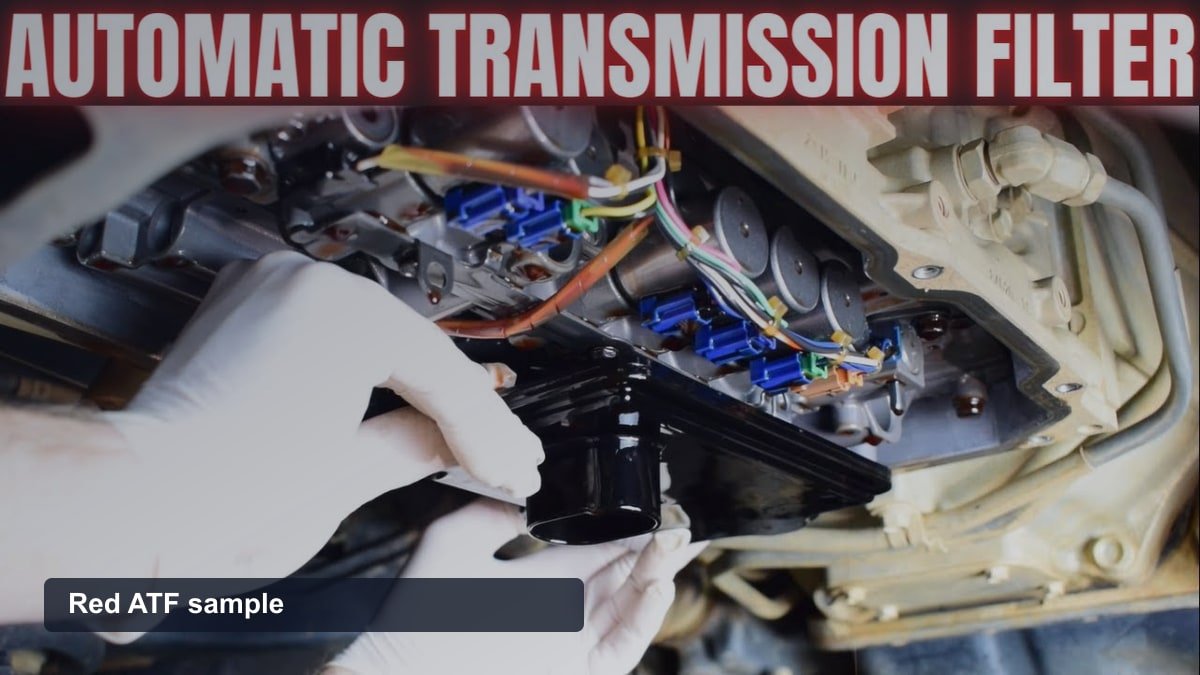
Checking auto gearbox fluid takes about 5 minutes on vehicles equipped with a dipstick.
- Warm up the engine for a few minutes so the fluid reaches operating temperature
- Park on level ground and set the parking brake
- Locate the transmission dipstick, typically near the firewall on the engine side
- Pull the dipstick, wipe it clean, reinsert it fully, then pull it again to read the level
- Check the fluid’s color and smell: healthy fluid looks translucent red and smells faintly sweet
For technical background, see RAC automatic transmission fluid guide.
Many newer vehicles use sealed transmissions without a dipstick. These designs need a scan tool and a lift to check the fluid level accurately, which moves this check from a driveway task to a shop visit.
Auto Gearbox Fluid FAQs
Can You Mix Different Auto Gearbox Fluid Types?
No. Mixing fluid types such as Dexron, Mercon, and ATF+4 disrupts clutch engagement and causes poor shift quality, since each fluid uses different friction modifiers.
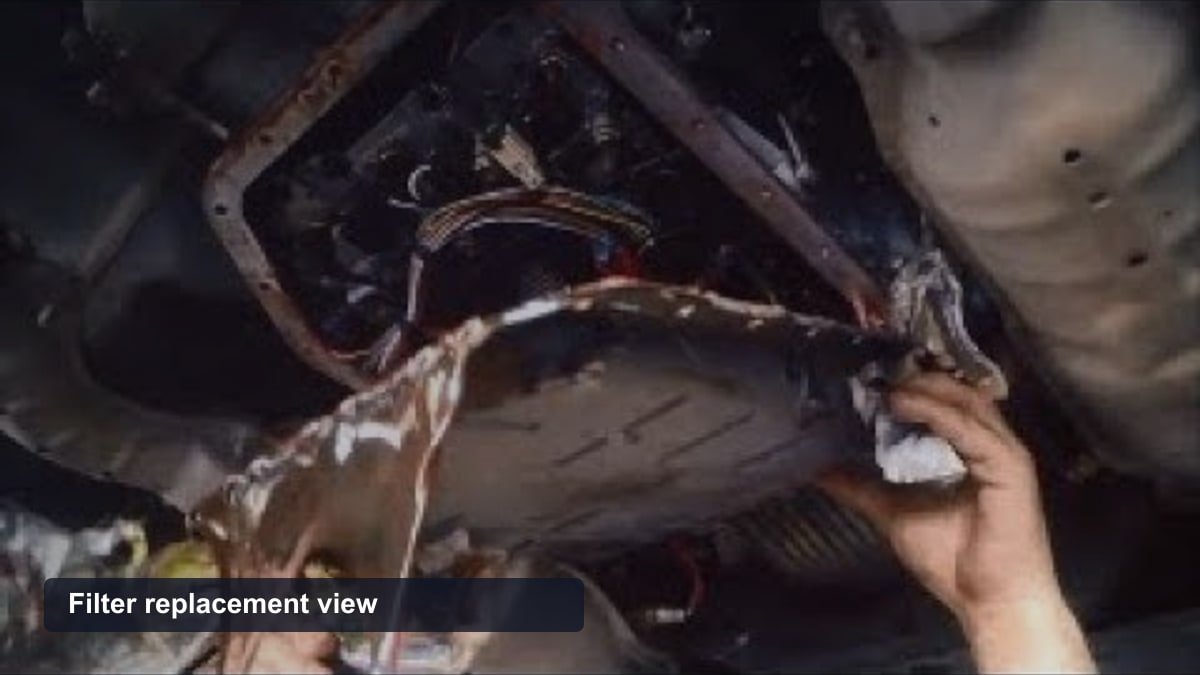
What Happens If You Never Change Auto Gearbox Fluid?
Fluid that never gets changed breaks down, loses its friction properties, and accumulates contaminants. Over time, this leads to rough shifting, overheating, and eventual transmission failure.
What Color Is Healthy Auto Gearbox Fluid?
Healthy auto gearbox fluid looks translucent red or pink and smells faintly sweet. CVT fluid can appear a different color depending on the manufacturer, so the owner’s manual remains the most reliable color reference.
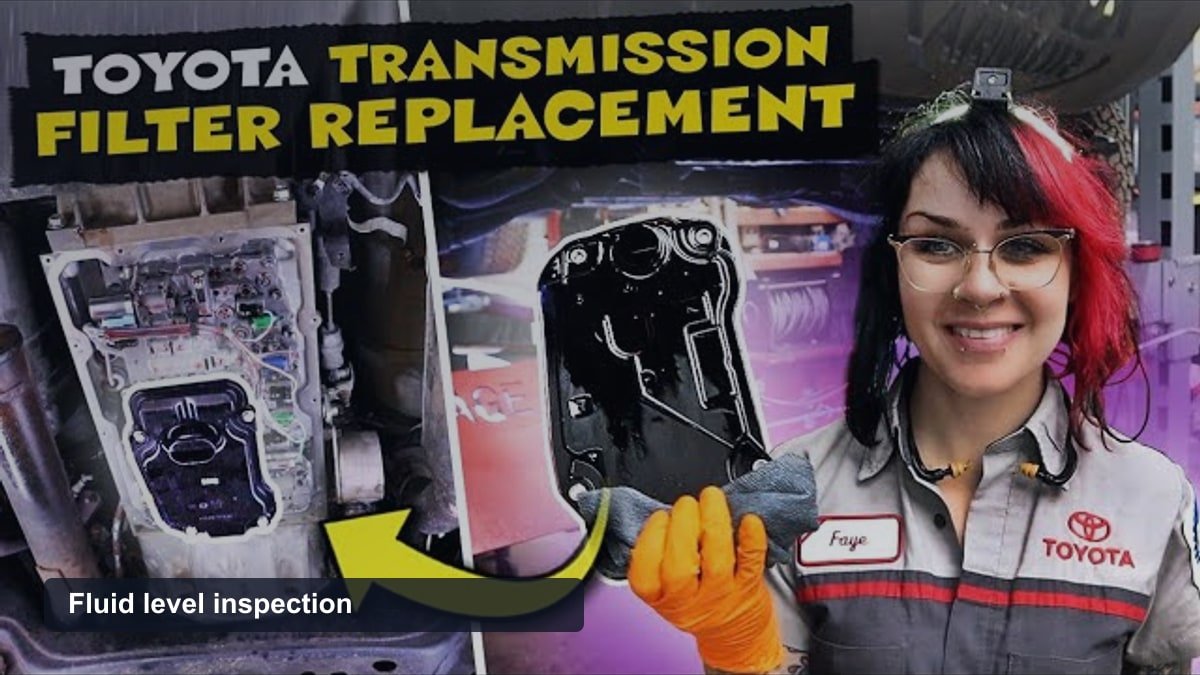
How Long Does an Auto Gearbox Fluid Change Take?
A basic auto gearbox fluid change takes about 30 minutes. Vehicles that need a filter replacement or a full pan removal take longer, often 45 to 60 minutes.
Is Auto Gearbox Fluid the Same as Engine Oil?
No. Auto gearbox fluid and engine oil are different formulations. Engine oil protects combustion components at high temperatures. Auto gearbox fluid combines lubrication with hydraulic and friction-modifying properties specific to a transmission.

Jimmy O’Riley is a UK-based mobile mechanic and automotive diagnostic specialist operating out of Bedfordshire, England. He founded O’Rileys Autos in 2011 with a focus on bringing professional vehicle repairs directly to customers at their homes and workplaces.
With over a decade of hands-on experience, Jimmy specializes in ABS diagnostics, brake system repairs, diesel emissions faults, and DPF cleaning. He is recognized across the UK and Ireland as one of the leading specialists in vehicle braking and emissions systems, earning the title “The DPF King” from his growing online audience.
Jimmy documents real-world automotive repairs through his YouTube channel, which has accumulated over 97,000 subscribers and nearly 2,000 published repair videos. His content covers ABS fault diagnosis, wheel speed sensor testing, brake module replacement, and roadside repair procedures across a wide range of vehicle makes and models.
He is active on YouTube, Instagram, and Facebook under O’Rileys Autos.