
4L80E Transmission: Specs, Applications, and 5 Common Problems
The 4L80E is a heavy-duty, electronically controlled 4-speed automatic transmission, also called a gearbox, built by General Motors. GM introduced it in 1991 as a direct replacement for the 3-speed TH400, adding an overdrive gear, a lock-up torque converter, and electronic shift controls. It carries a factory rating of 440 lb-ft of input torque and appears in GM trucks, vans, SUVs, and several European luxury cars.
What Is a 4L80E Transmission?
A 4L80E transmission is a longitudinally mounted, 4-speed automatic gearbox that General Motors built for vehicles up to 8,000 lbs GVWR. The name describes the unit directly: “4” for four forward gears, “L” for longitudinal mounting, and “80” for its 8,000-pound weight class. GM assigned it the RPO code MT1 and built it at the Willow Run and Ypsilanti plants in Michigan.
The 4L80E shares most of its internal parts and strength with the TH400, a 3-speed transmission GM used for decades in heavy-duty trucks. For example, the 1991 Chevrolet C/K 2500 was among the first trucks to swap its TH400 for the new 4L80E, gaining a fourth overdrive gear without losing the TH400’s low-gear strength.
GM made two running changes during production. Units built from 1991 to 1996 use a different case connector and route coolant lines through the front of the case. Units built from 1997 onward use an updated lubrication system and a redesigned case plug for the electronic controls.
What Are the 4L80E Gear Ratios?
The 4L80E uses four forward gear ratios and one reverse ratio, each fixed at the factory. The table below lists every gear along with its ratio and driving function.
| Gear | Ratio | Function |
|---|---|---|
| 1st | 2.48:1 | Low-range starting power |
| 2nd | 1.48:1 | Mid-range acceleration |
| 3rd | 1.00:1 | Direct drive |
| 4th (Overdrive) | 0.75:1 | Highway cruising, reduced engine RPM |
| Reverse | 2.07:1 | Backing up |
Third gear runs at a direct 1.00:1 ratio, since a clutch-to-clutch connection links the input and output shafts instead of a planetary gearset. Fourth gear’s 0.75:1 overdrive ratio lowers highway RPM, which improves fuel economy compared to the 3-speed TH400.
(Image suggestion: photo of a 4L80E shift pattern placard. Alt text: “4L80E transmission gear ratio chart showing four forward gears and reverse.”)
How Much Torque Can a 4L80E Handle?
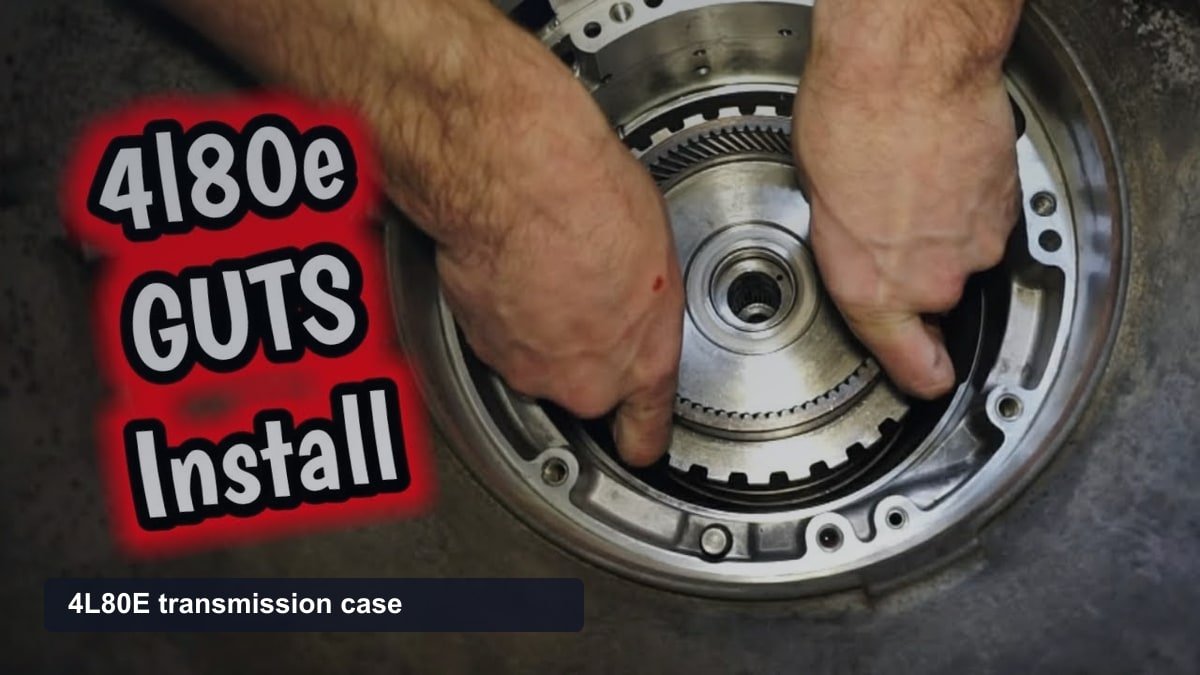
A factory 4L80E handles up to 440 lb-ft of engine input torque, or 460 lb-ft in the diesel-spec MN8 version behind 6.5L engines. After the torque converter multiplies that input, GM rates the transmission’s maximum gearbox torque at 885 lb-ft.
These figures come from GM’s official Hydra-Matic specification sheet, not marketing estimates. Builders who upgrade the clutch packs, input shaft, and valve body commonly push a 4L80E past 1,000 lb-ft of torque, since the TH400-based case and 32-spline output shaft carry extra strength from the factory. By comparison, GM’s later 6L80 six-speed carries a lower 664 lb-ft gearbox rating despite its extra gears.
Which Vehicles Use the 4L80E Transmission?
GM installed the 4L80E behind big-block gas and diesel engines in trucks, vans, and SUVs built for towing, generally from 1991 into the early 2010s. Common applications include:
- Chevrolet and GMC C/K, Silverado, and Sierra 2500 and 3500 pickups
- Chevrolet Suburban, Tahoe, and Avalanche models with the 8.1L V8
- Chevrolet and GMC full-size vans, including motorhome chassis
- Hummer H1
GM also sold versions of the 4L80E to European luxury automakers, like Rolls-Royce, Bentley, and Jaguar, along with a brief run behind the Aston Martin DB7. Most half-ton and heavy-duty pickups had moved to the newer 6L90E by the late 2000s, though vans and motorhome chassis kept the 4L80E in production longer.
What Transmission Fluid Does a 4L80E Use?
A 4L80E uses Dexron VI automatic transmission fluid today, though GM originally specified Dexron III when the transmission launched in 1991. GM superseded that spec in 2006, and Dexron VI remains backward compatible with every 4L80E built since.
Total fill capacity runs approximately 13 to 14 quarts, including the torque converter and cooler lines. A routine pan-and-filter service, which does not drain the converter, typically replaces 4 to 5 quarts. See Dexron VI Transmission Fluid Guide for compatibility details across other GM transmissions.
How Do You Identify a 4L80E Transmission?
A 4L80E stands out through four physical traits: an integrated bellhousing, a 17-bolt oil pan, a 32-spline output shaft, and an overall length of about 26.25 inches. Follow these steps to confirm the unit in front of you.
- Check the bellhousing. A 4L80E’s bellhousing is cast as one piece with the case and bolts only to a Chevrolet 90-degree V8 pattern. A removable bellhousing points to a 4L60E instead.
- Count the pan bolts. A 4L80E uses a 17-bolt oil pan with a squared rear edge and a centered drain plug.
- Measure the case. A 4L80E runs about 26.25 inches long and weighs roughly 235 to 255 pounds dry, well over the 4L60E’s 150 pounds.
- Read the tag or casting numbers. GM stamps an identification tag on the tailhousing and casts numbers into the passenger-side case that confirm the exact build.
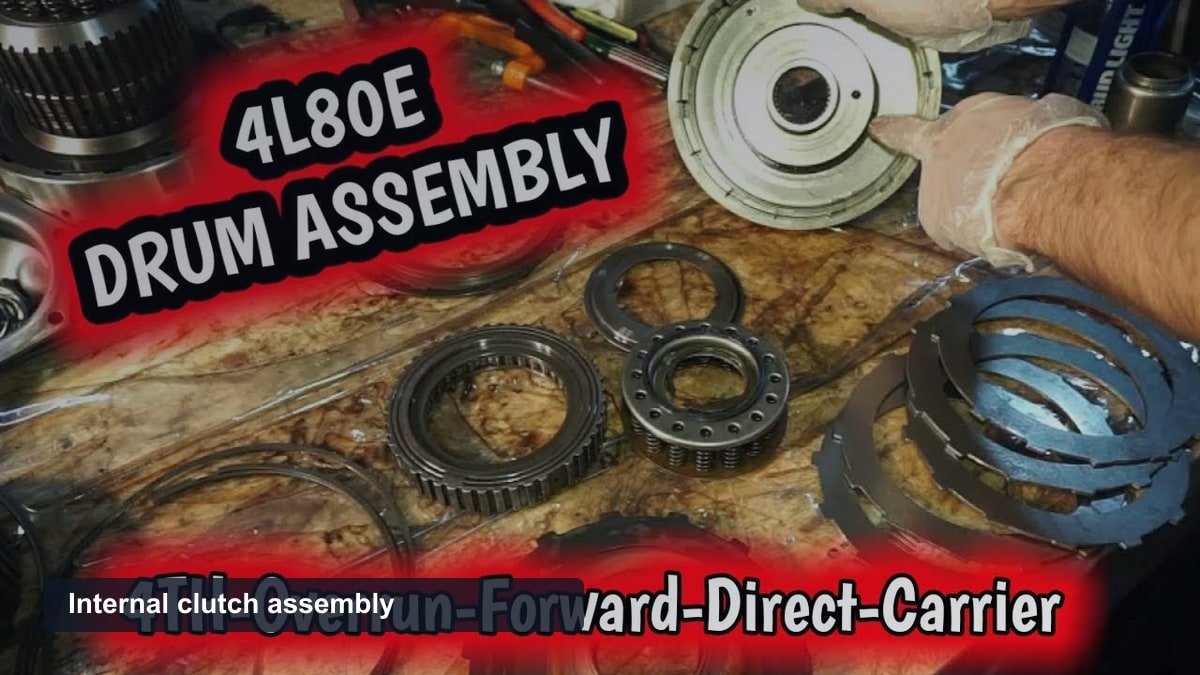
Weight varies slightly by source and accessory configuration, so pan bolt count and bellhousing type remain the most reliable identifiers.
(Image suggestion: underside view of a 4L80E oil pan. Alt text: “4L80E transmission oil pan showing the seventeen bolt mounting pattern.”)
What Are Common 4L80E Transmission Problems?
A 4L80E is durable, but five failure points account for most of its repairs. Recognizing them early can prevent a full rebuild.
- Overheating and oil starvation. Units built before 1997 route the transmission cooler lines through the front of the case, which restricts fluid flow under heavy load. Restricted flow starves the planetary gears of lubrication and speeds up wear.
- Torque converter shudder. A failing lock-up clutch inside the torque converter causes vibration during acceleration, especially between 30 and 45 mph.
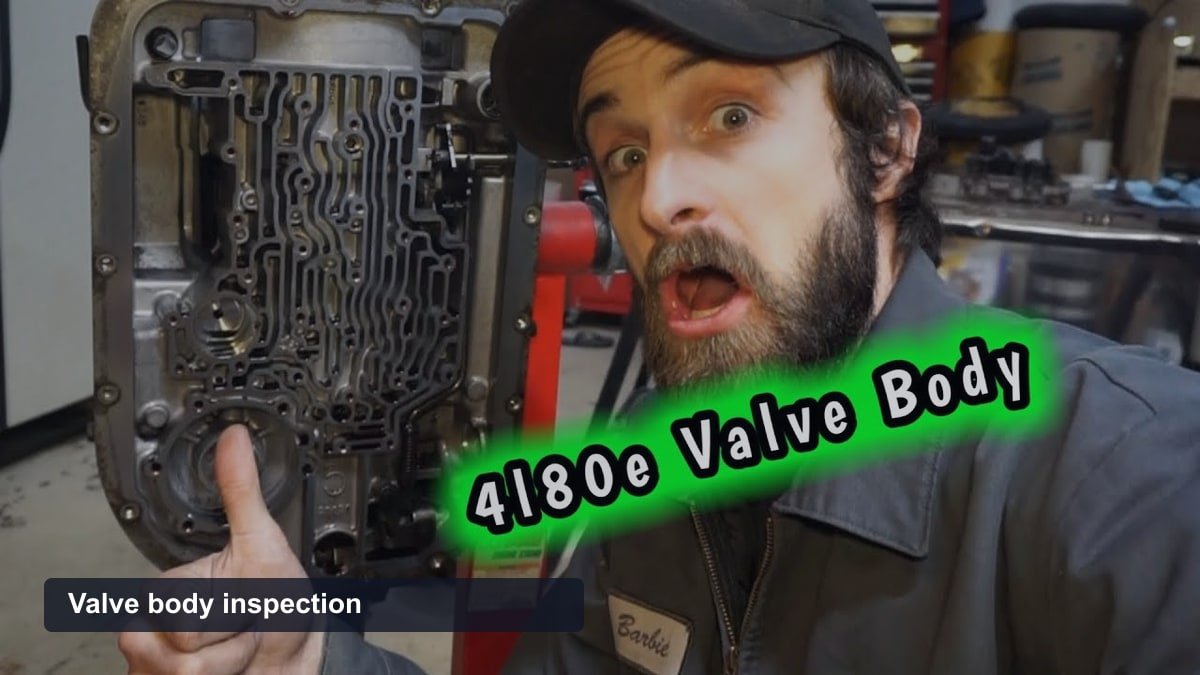
- Solenoid failure. The 1-2 and 2-3 shift solenoids direct fluid pressure to change gears. A failed solenoid causes erratic shifting or locks the transmission into a single gear.
- Worn clutch packs. Extended towing or high-torque power adders wear down the clutch packs, which causes the transmission to slip between gears under load.
- Wiring harness damage. Engine heat makes the internal wiring harness brittle over time, and cracked insulation or corroded connectors send bad signals to the transmission control module.
Regular fluid changes and an external cooler reduce the risk of all five problems, since heat drives most of the wear inside a 4L80E.
For technical background, see GM transmission model list.
How Does the 4L80E Compare to the 4L60E?
The 4L80E and 4L60E share a shift pattern and an electronic control strategy, but they come from different transmission families and handle different loads. The table below compares their core specifications.
| Spec | 4L80E | 4L60E |
|---|---|---|
| Lineage | TH400-based | 700R4-based |
| Factory torque rating | 440 lb-ft | 360 lb-ft |
| GVWR rating | 8,000 lbs | 6,000 lbs |
| Dry weight | About 245 lbs | About 150 lbs |
| Length | 26.25 in | 23.5 in |
| Oil pan bolts | 17 | 16 |
| Bellhousing | Integrated, non-removable | Removable |
Since the 4L80E carries a larger case, a stronger output shaft, and a higher torque rating, it holds up better behind big-block and diesel engines used for towing. The 4L60E stays lighter and more compact, which suits smaller V8 and V6 engines in half-ton trucks and passenger cars. 4L60E Transmission Guide covers its full specifications.
Frequently Asked Questions About the 4L80E
How much horsepower can a 4L80E handle?
A stock 4L80E typically handles up to around 500 horsepower before internal upgrades become necessary, and builds with upgraded clutches, an input shaft, and a valve body have documented over 1,000 rear-wheel horsepower on the same case.
What replaced the 4L80E in GM trucks?
GM replaced the 4L80E in new truck production with the six-speed 6L90E, which adds a deeper first gear and a lower overdrive ratio.
Is the 4L80E a good transmission for an engine swap?
Yes. Its integrated bellhousing, 32-spline output shaft, and 440 lb-ft factory rating make it a common swap choice behind big-block and diesel engines that exceed the 4L60E’s limits.
What is the difference between the 4L80E and 4L85E?
The 4L85E uses a 5-pinion output and reaction gearset instead of the 4L80E’s standard gearset, which raises its rating to 460 lb-ft of input torque and an 8,500-pound GVWR.
Is the 4L80E Transmission Right for Your Vehicle?
A 4L80E gearbox fits any build that needs to move more weight or handle more torque than a 4L60E can manage. It suits heavy towing, big-block V8 swaps, diesel conversions, and high-horsepower performance builds that stay under its 885 lb-ft gearbox rating.
A lighter-duty 4L60E remains the better fit for smaller engines, daily-driven trucks, and builds where weight and cost matter more than maximum torque capacity. Between the two, the deciding factor comes down to one number: the torque the engine produces, measured against the 4L80E’s 440 lb-ft factory limit.

Jimmy O’Riley is a UK-based mobile mechanic and automotive diagnostic specialist operating out of Bedfordshire, England. He founded O’Rileys Autos in 2011 with a focus on bringing professional vehicle repairs directly to customers at their homes and workplaces.
With over a decade of hands-on experience, Jimmy specializes in ABS diagnostics, brake system repairs, diesel emissions faults, and DPF cleaning. He is recognized across the UK and Ireland as one of the leading specialists in vehicle braking and emissions systems, earning the title “The DPF King” from his growing online audience.
Jimmy documents real-world automotive repairs through his YouTube channel, which has accumulated over 97,000 subscribers and nearly 2,000 published repair videos. His content covers ABS fault diagnosis, wheel speed sensor testing, brake module replacement, and roadside repair procedures across a wide range of vehicle makes and models.
He is active on YouTube, Instagram, and Facebook under O’Rileys Autos.