
The customer was standing on the driveway in Leighton Buzzard holding her phone out before I had even opened the van. The FordPass notification was up on the screen, telling her the ABS module on her 2022 Ford Puma had a fault and recommending she book a dealer appointment. It had already filled in her nearest dealer and given her a date. The dealer's preliminary estimate, also in the app, was 780 pounds.
She had not called me first. She had seen the notification, felt worried, and then rang me because a neighbour had mentioned my name. The FordPass system had read a stored fault code from the ABS module overnight through the car's telematics connection. It had converted that code into a repair recommendation without anyone physically looking at the car.
Ford, GM, and Stellantis are all moving in the same direction with this. The connected car infrastructure they have built reads fault data remotely and flags it to drivers through their apps. The repair routing in every case points toward their own dealer network.
The issue is not that remote fault detection exists. The issue is what it does with a stored code. A stored code in the ABS module is the system's best guess at where a problem originated. It is not, on its own, a diagnosis.
I plugged my professional kit into the OBD port on the Puma and pulled both the stored code and the live sensor data simultaneously. The stored code was pointing at the ABS module. The live data showed the module operating correctly across all four wheel speed channels, with one exception. The rear offside channel was showing intermittent signal loss, consistent with a sensor or harness fault rather than a module failure.
The module was working correctly.
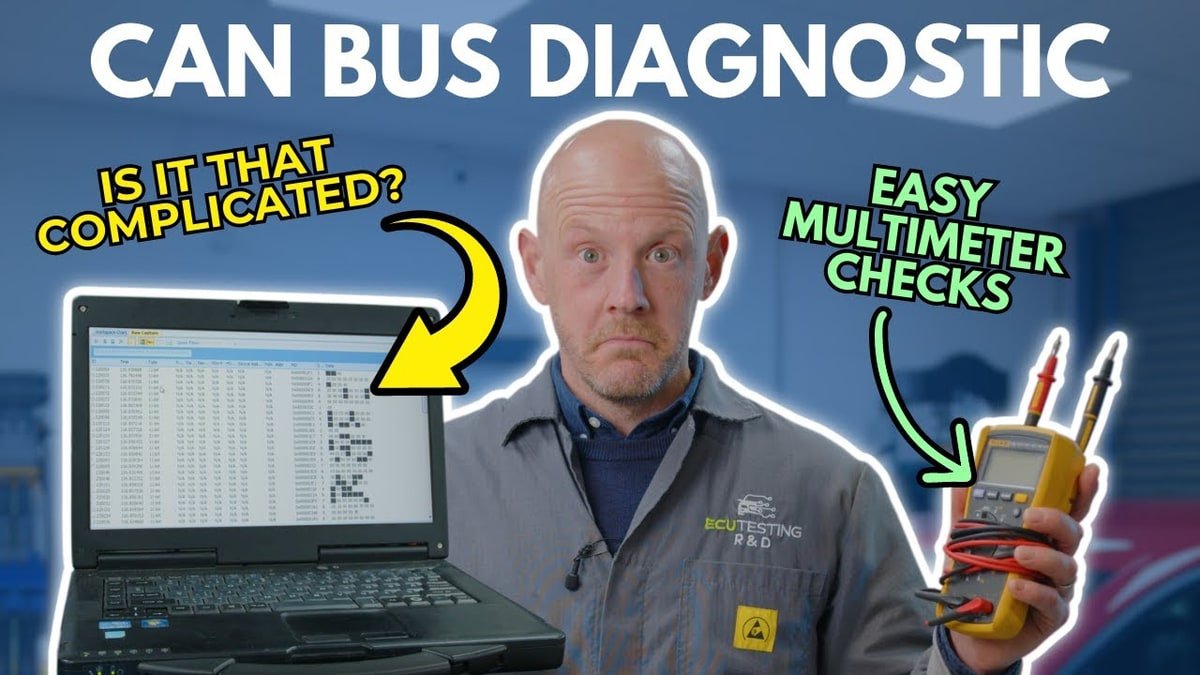
I got underneath the car and found the rear offside wheel speed sensor connector had moisture ingress at the terminals. The connector housing had a hairline crack, small enough to miss on a casual look, large enough to let road water pool against the pin contacts. The intermittent signal dropout the live data had shown me was coming from corroded terminals, not from a failing module.
Under the Motor Vehicle Block Exemption Regulation, independent repairers in the UK are entitled to access the same technical information and diagnostic data that a manufacturer's dealer network can access. The intention of that regulation is to keep the repair market competitive and protect drivers from being funnelled exclusively into expensive dealer servicing. What manufacturers are doing with embedded app diagnostics is not technically a breach of that regulation. It is something more subtle and more commercially useful to them.
The deeper problem is that certain ABS module functions on newer Ford, GM, and Stellantis vehicles now require manufacturer-specific software to perform. Module resets, calibration procedures after component replacement, and some software updates can only be delivered through proprietary platforms that require dealer-level subscriptions or accreditation. An independent mechanic can diagnose the fault correctly and repair the physical cause, but the final software confirmation step may be out of reach without the right account access.
On the Puma in Leighton Buzzard, the repair did not require a software step. The connector replacement and contact restoration fixed the signal dropout, and the live data confirmed it cleanly before I packed up. But I have worked on vehicles in the last eighteen months where the diagnosis was right and the part was right. The job still needed a dealer visit to push a module reset the manufacturer's platform would not allow me to access.
That is where the lockout actually bites.
I have documented enough of these on the channel to know the comments fill up with people saying the same thing happened to them on the same manufacturer's model. The pattern across Ford, GM, and Stellantis is consistent enough to treat as policy rather than coincidence. The app is not a diagnostic tool. It is a customer routing system with diagnostic data attached to it.
The woman in Leighton Buzzard saved herself several hundred pounds by making one phone call before following the app's instructions. She did not know that when she rang me. She was calling because she wanted a second opinion on the price, not because she thought the diagnosis itself might be wrong. What I keep thinking about is how many drivers will take a manufacturer's notification at face value and never question what the app actually read.
Jimmy O’Riley is a UK-based mobile mechanic and automotive diagnostic specialist operating out of Bedfordshire, England. He founded O’Rileys Autos in 2011 with a focus on bringing professional vehicle repairs directly to customers at their homes and workplaces.
With over a decade of hands-on experience, Jimmy specializes in ABS diagnostics, brake system repairs, diesel emissions faults, and DPF cleaning. He is recognized across the UK and Ireland as one of the leading specialists in vehicle braking and emissions systems, earning the title “The DPF King” from his growing online audience.
Jimmy documents real-world automotive repairs through his YouTube channel, which has accumulated over 97,000 subscribers and nearly 2,000 published repair videos. His content covers ABS fault diagnosis, wheel speed sensor testing, brake module replacement, and roadside repair procedures across a wide range of vehicle makes and models.
He is active on YouTube, Instagram, and Facebook under O’Rileys Autos.