
The Golf was on a residential drive in Dunstable and the owner had been told, by two separate garages, that she needed a new ABS pump. The second quote was higher than the first. That is not unusual when a garage confirms what another garage concluded, without anyone checking whether the first conclusion was right.
She had been living with the ABS light on for four months. The car was still stopping, which is the reason most people stay with these faults longer than they should. The base braking feels unchanged right up until the point where it is not, and there is no reliable way to know when that point is coming.
I read about a case from Houston last week that covered the same ground. A driver was quoted three thousand two hundred dollars for a full brake system overhaul covering pump, modulator, and sensors. A second opinion found a single corroded wheel speed sensor.
The sensor cost under fifty dollars. Proper diagnostic time accounted for the remainder of the bill. The three thousand dollar difference went nowhere because no one had looked for a sensor fault before concluding the module had failed.
That number is not unusual. It is what happens when a garage reads a fault code, sees a pump-adjacent error, and works backwards from the most expensive resolution without eliminating the cheaper ones first.
The Golf's fault code pointed at the ABS module. Specifically, it logged an internal module communication fault, which is the code that sends garages straight towards the pump replacement conversation. I plugged my interface in and ran live data across all four wheel speed sensors before I touched anything else. Three were producing clean, consistent signal.
The nearside rear was generating a dropout every four to six rotations. That brief gap in signal was what the module was reading as a communication failure on its own end. It was not a module failure. It was the module responding correctly to a broken input signal.
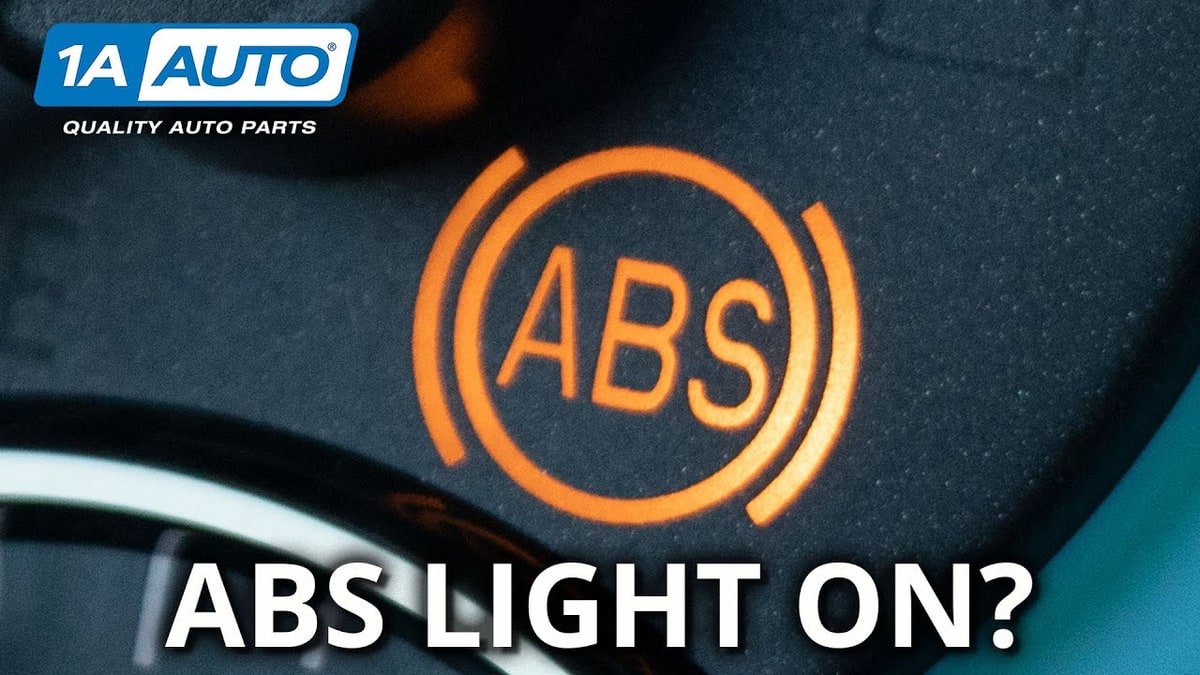
The sensor connector at the nearside rear had corroded to the point where the internal contacts were intermittently losing conductivity. I have seen this specific failure hundreds of times on cars that have spent a winter or two on salted British roads. The connector looked fine from the outside. It was not.
I cleaned the contacts with electrical contact spray, reseated the connector, and ran the live data again. The dropout was gone. The fault code cleared.
The module was fine because it had always been fine.
The cost difference between what the Golf's owner had been quoted and what the repair actually required was significant. I do not enjoy that fact. What I find harder to accept is that the diagnostic path to a correct answer is not especially complicated. It requires live data and time, and it requires checking the sensor outputs before concluding that the device receiving those outputs has failed.
The Houston case is worth reading about because it documents something that happens in garages on both sides of the Atlantic every day. The fault code names a system. The garage prices up that system. The corroded connector, or the damaged wiring, or the out-of-specification air gap, sits undiscovered because nobody looked for it specifically.
Cheap diagnostic tools contribute to this. A basic reader returns a module fault code and stops there. The professional equipment I carry shows me what the module was reacting to, not what it concluded. Those are different layers of the same problem, and only one of them tells you what actually needs fixing.
The Golf's owner asked me afterwards why two garages had missed it. I told her I did not know what equipment they had used or how long they had spent on it. I do know that reviewing live data across the sensor outputs takes about four minutes. Four minutes is a reasonable investment before quoting for a new pump.
Fourteen years on British driveways, and the repair that saves someone the most money is almost always the one that happens before anyone orders a part.
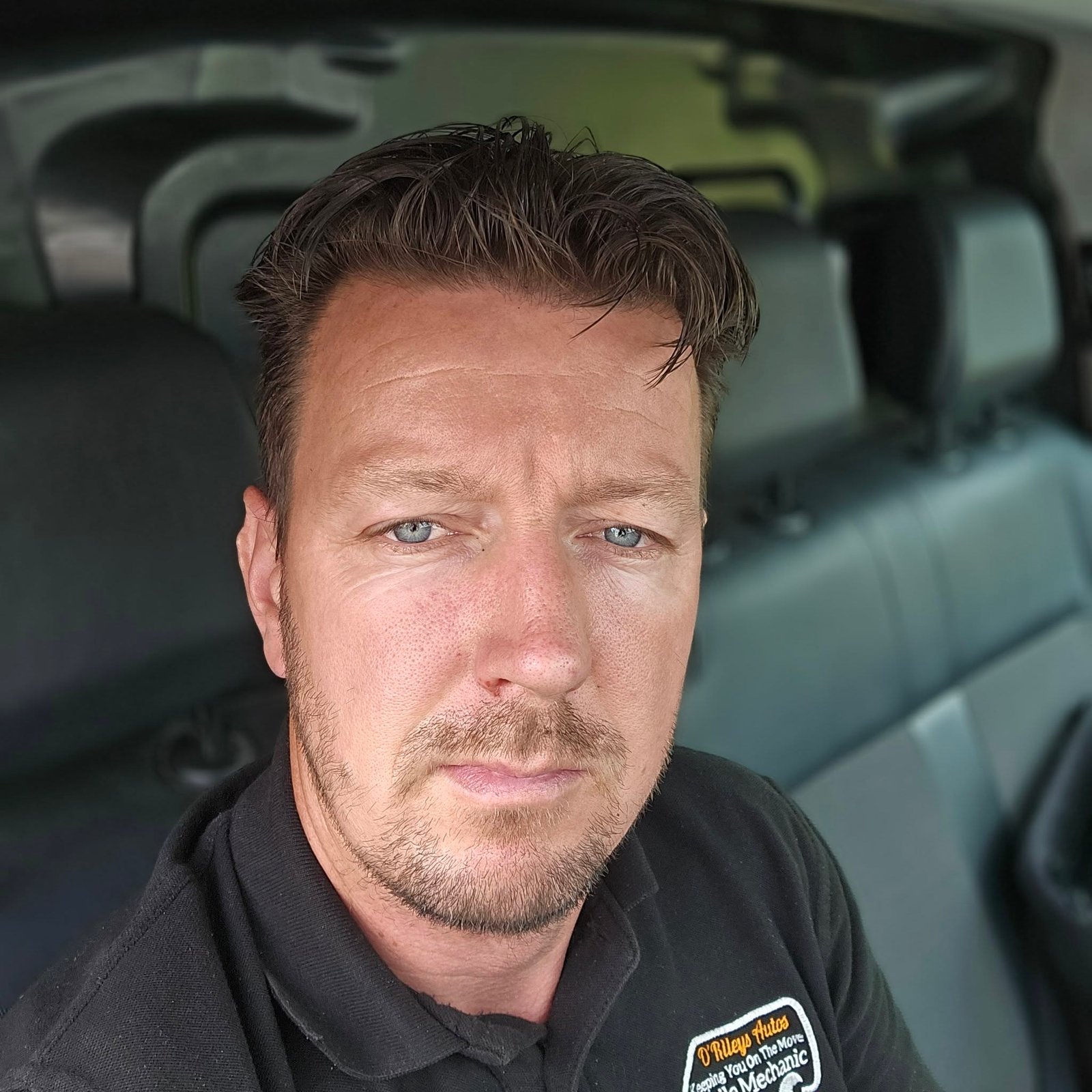
Jimmy O’Riley is a UK-based mobile mechanic and automotive diagnostic specialist operating out of Bedfordshire, England. He founded O’Rileys Autos in 2011 with a focus on bringing professional vehicle repairs directly to customers at their homes and workplaces.
With over a decade of hands-on experience, Jimmy specializes in ABS diagnostics, brake system repairs, diesel emissions faults, and DPF cleaning. He is recognized across the UK and Ireland as one of the leading specialists in vehicle braking and emissions systems, earning the title “The DPF King” from his growing online audience.
Jimmy documents real-world automotive repairs through his YouTube channel, which has accumulated over 97,000 subscribers and nearly 2,000 published repair videos. His content covers ABS fault diagnosis, wheel speed sensor testing, brake module replacement, and roadside repair procedures across a wide range of vehicle makes and models.
He is active on YouTube, Instagram, and Facebook under O’Rileys Autos.