
Manual Gearbox: How It Works, 4 Types, and 5 Key Benefits
What Is a Manual Gearbox?
A manual gearbox is a transmission system that requires the driver to select and change gears using a clutch pedal and a gear stick. It is also called a manual transmission, standard transmission, or stick shift. The system connects the engine to the wheels through a set of gears that the driver, not the vehicle’s electronics, chooses at each speed.
Manual gearboxes were the standard transmission type for most of the 20th century. Automatic gearboxes have since replaced them in most markets, though manual gearboxes remain common in sports cars, trucks, motorcycles, and certain regions outside North America.
How Does a Manual Gearbox Work?
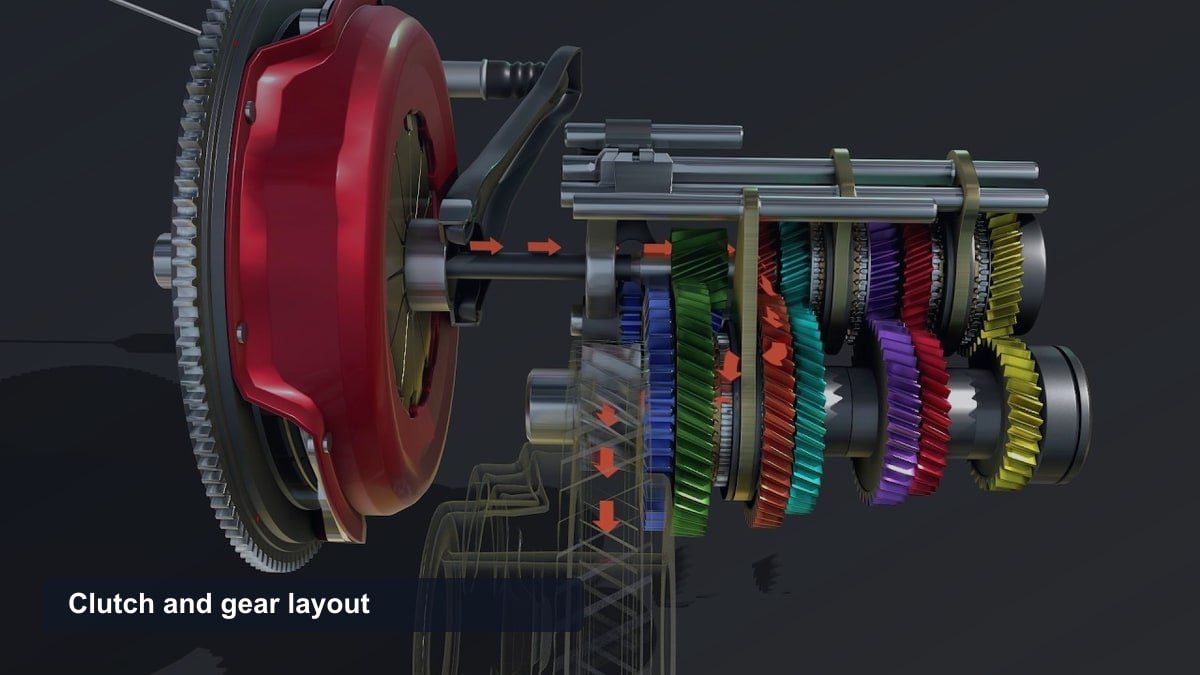
A manual gearbox works by using a clutch to disconnect the engine from the transmission while the driver selects a new gear, then reconnecting the two once the gear is engaged. Depressing the clutch pedal separates the engine’s flywheel from the transmission’s input shaft. Moving the gear stick shifts a selector fork, which locks the chosen gear onto the output shaft. Releasing the clutch pedal reconnects engine power to the wheels through that gear.
This process repeats every time the vehicle needs a different gear ratio. Lower gears increase torque for acceleration and hill climbing. Higher gears reduce engine speed for efficient cruising.
What Are the Parts of a Manual Gearbox?
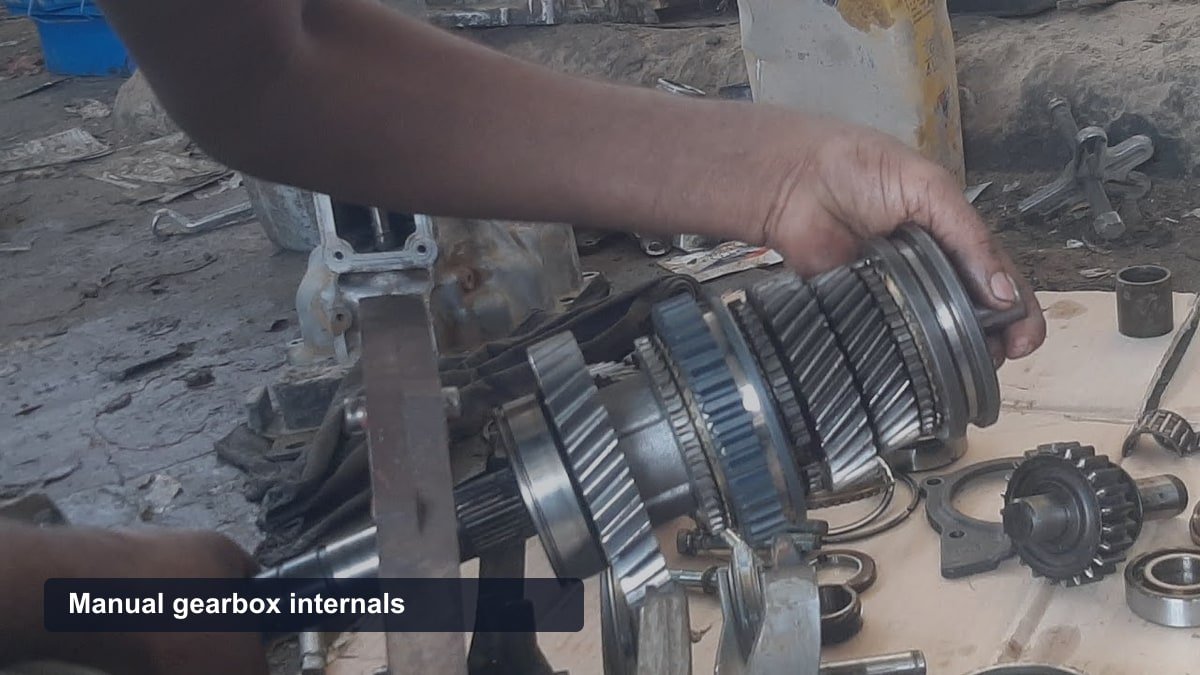
A manual gearbox contains several core components that work together to transfer power from the engine to the wheels. Common parts include:
- Clutch: connects and disconnects engine power from the transmission
- Flywheel: stores rotational energy and provides a mounting surface for the clutch
- Input shaft: carries power from the clutch into the gearbox
- Countershaft (layshaft): holds the gears that mesh with the main shaft gears
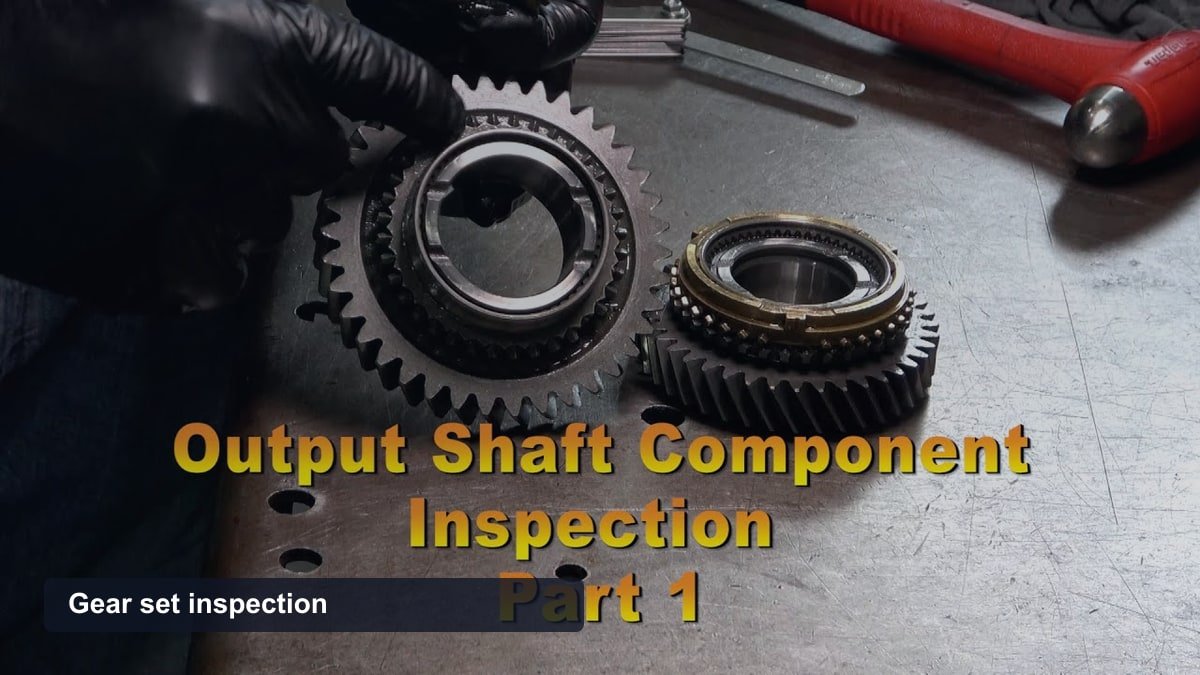
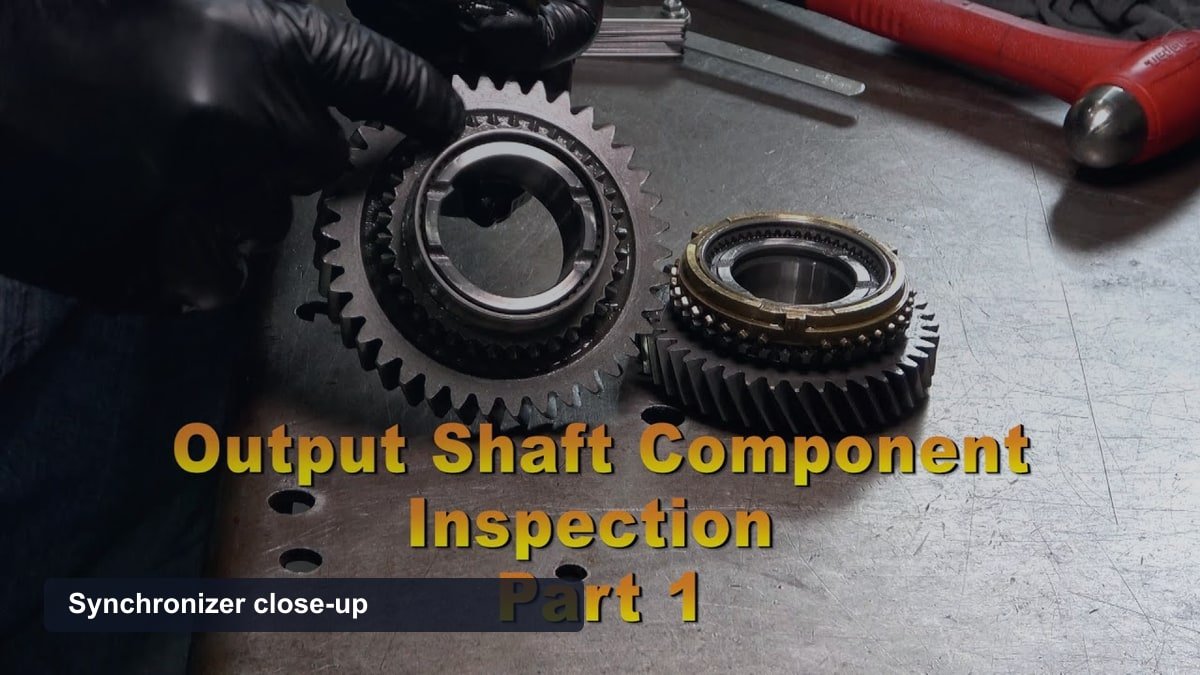
- Synchronizers: match gear speeds for smooth, quiet engagement
- Output shaft: sends power from the gearbox to the driveshaft or axles
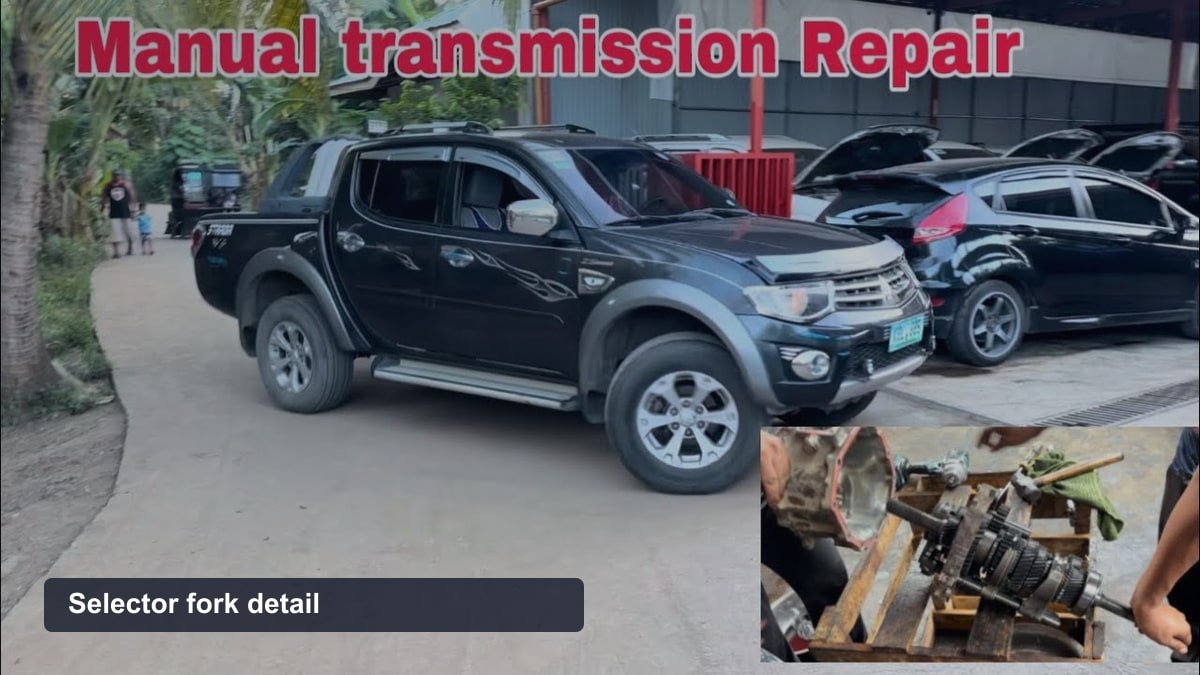
- Selector fork and gear stick: let the driver choose and engage a gear
What Are the Types of Manual Gearboxes?
Manual gearboxes fall into 4 main categories, distinguished mainly by how they engage gears.
What Is a Synchromesh Gearbox?
A synchromesh gearbox is a manual gearbox that uses synchronizer rings to match gear speeds before engagement, allowing smooth shifts without double-clutching. Cadillac introduced the first synchromesh gearbox in 1928. It remains the standard design in modern passenger cars.
What Is a Non-Synchronous Gearbox?
A non-synchronous gearbox, also called a crash box, requires the driver to match engine and transmission speeds manually, typically using double-clutching or float-shifting techniques. Non-synchronous gearboxes are common in heavy vehicles, such as semi-trucks and tractors, where their simpler construction withstands higher loads.
What Is a Sequential Gearbox?
A sequential gearbox only allows the driver to shift to the next-highest or next-lowest gear, in order, using dog clutches instead of synchronizers. Sequential gearboxes are used mainly in motorcycles and racing cars, such as touring and rally cars, because they shift faster than synchromesh designs.
What Is an Automated Manual Transmission?
An automated manual transmission (AMT) is a manual gearbox that uses electronic and hydraulic actuators to operate the clutch and gear changes without a clutch pedal. An AMT mechanically resembles a standard manual gearbox but drives like an automatic.
How Does a Manual Gearbox Compare to an Automatic Gearbox?
The table below compares manual and automatic gearboxes across 7 criteria relevant to US drivers, based on current government and market data.
| Criterion | Manual Gearbox | Automatic Gearbox |
|---|---|---|
| Gear selection | Driver selects gears with a clutch pedal and gear stick | Transmission selects gears automatically using a torque converter or dual clutch |
| Pedals | Three: clutch, brake, accelerator | Two: brake, accelerator |
| Average fuel economy since 2016 | Slightly lower, per US Department of Energy data | Slightly higher, per US Department of Energy data |
| Typical price difference | About $1,000 less than the automatic version of the same model | About $1,000 more than the manual version of the same model |
| Typical repair cost | $700 to $2,500 for a standard clutch replacement | $1,500 to $3,000 or more for a dual-clutch or complex automatic repair |
| Share of new US car sales in 2025 | Fewer than 1% | More than 99% |
| Learning curve | Requires practice coordinating the clutch and gear stick | Requires no gear-shifting skill |
What Are the Advantages of a Manual Gearbox?
Manual gearboxes offer 5 main advantages over automatic gearboxes.
- Lower purchase price: manual versions of a given model typically cost about $1,000 less than automatic versions.
- Lower typical repair costs: a standard clutch replacement generally costs less than repairing a dual-clutch or torque-converter automatic.
- Lighter weight: manual gearboxes omit the torque converter and added hydraulics found in automatics, which reduces overall vehicle weight.
- Greater control over power delivery: drivers can select gears for engine braking on descents or extra torque in low-traction conditions.
- Simpler mechanical design: manual gearboxes have fewer electronic and hydraulic components, which reduces potential failure points.
What Are the Disadvantages of a Manual Gearbox?
Manual gearboxes have 4 main drawbacks compared to automatic gearboxes.
- Steeper learning curve: coordinating the clutch and gear stick requires practice that automatic driving does not. A 2020 poll commissioned by Cadillac found that 66% of Americans know how to drive a manual car, compared with 97% of UK license holders.
- Less convenience in traffic: stop-and-go driving requires constant clutch and gear operation.
- No fuel economy advantage: since model year 2016, automatic transmissions have delivered better average fuel economy than manual transmissions, according to the US Department of Energy.
- Shrinking availability: only 27 new car models offered a manual gearbox in the US for 2025, dropping to 24 for the 2026 model year, according to EPA data.
Is a Manual Gearbox Cheaper to Maintain Than an Automatic?
A manual gearbox is generally cheaper to maintain than an automatic gearbox. A standard clutch replacement costs $700 to $2,500 depending on the vehicle, while repairing a dual-clutch or torque-converter automatic often costs $1,500 to $3,000 or more. A full transmission rebuild or replacement, for either type, typically costs $2,900 to $7,100.
For technical background, see manual transmission overview.
How Long Does a Manual Gearbox Last?
A manual gearbox typically lasts 150,000 to 200,000 miles before it needs major internal work, not counting the clutch or transmission fluid. That translates to roughly a decade of daily driving under normal maintenance. The clutch itself usually needs replacement between 60,000 and 100,000 miles. Manufacturers commonly recommend a transmission fluid change every 30,000 to 60,000 miles.
How Common Are Manual Gearboxes Today?
Manual gearboxes have become rare in new cars. Fewer than 1% of new cars sold in the United States in 2025 had a manual gearbox, down from 35% in 1980, according to EPA Automotive Trends data. J.D. Power data shows a brief rebound before that low point, with manual’s share of new US vehicle sales rising from 0.9% in 2021 to 1.7% in 2023. Around 7.7 million of the roughly 210 million registered vehicles in the US are still manual.
Europe has followed a similar path. Automatic transmissions accounted for 97% of premium car sales and 63% of mainstream car sales in major European markets by 2024, up from 31% and 5% respectively in 2001, according to Motor1.
Manual gearboxes persist in specific segments. The Porsche 911 had an 83% manual take rate in 2025, and the Subaru BRZ reached 90%, according to automaker sales data reported by Motor1. These figures show that manual gearboxes remain popular among sports car and enthusiast buyers even as mainstream demand declines.
What Are Common Questions About Manual Gearboxes?
Is a Manual Gearbox the Same as a Manual Transmission?
Yes, manual gearbox and manual transmission refer to the same component. Gearbox is more common in British English, while transmission is more common in American English.
Do Electric Vehicles Use a Manual Gearbox?
No, most electric vehicles use a single-speed gear rather than a multi-speed manual or automatic gearbox, since electric motors deliver usable torque across a wider RPM range than internal combustion engines.
Can an Automated Manual Transmission Be Driven Like an Automatic?
Yes, an automated manual transmission lets the driver operate it without a clutch pedal, though it mechanically remains a manual gearbox with automated actuators rather than a torque-converter automatic.
Is a Manual Gearbox Worth Choosing Today?
A manual gearbox suits drivers who prioritize lower repair costs, direct control over gear selection, and driver engagement over convenience. It suits fewer daily commuters than it once did, since modern automatics now match or exceed manual fuel economy and dominate stop-and-go driving conditions.
For sports car buyers, off-road drivers, and cost-conscious owners of used vehicles, a manual gearbox remains a practical and mechanically simple option. For most new car buyers, the shrinking model lineup means the choice is increasingly made for them.

Jimmy O’Riley is a UK-based mobile mechanic and automotive diagnostic specialist operating out of Bedfordshire, England. He founded O’Rileys Autos in 2011 with a focus on bringing professional vehicle repairs directly to customers at their homes and workplaces.
With over a decade of hands-on experience, Jimmy specializes in ABS diagnostics, brake system repairs, diesel emissions faults, and DPF cleaning. He is recognized across the UK and Ireland as one of the leading specialists in vehicle braking and emissions systems, earning the title “The DPF King” from his growing online audience.
Jimmy documents real-world automotive repairs through his YouTube channel, which has accumulated over 97,000 subscribers and nearly 2,000 published repair videos. His content covers ABS fault diagnosis, wheel speed sensor testing, brake module replacement, and roadside repair procedures across a wide range of vehicle makes and models.
He is active on YouTube, Instagram, and Facebook under O’Rileys Autos.