
Automatic Gearbox Repair: 7 Common Causes and What They Cost to Fix
What Is an Automatic Gearbox?
An automatic gearbox is a transmission system that changes gear ratios on its own, without a clutch pedal or manual gear selection. It uses hydraulic pressure, sensors, and a computer module to shift gears based on engine speed, throttle position, and vehicle load.
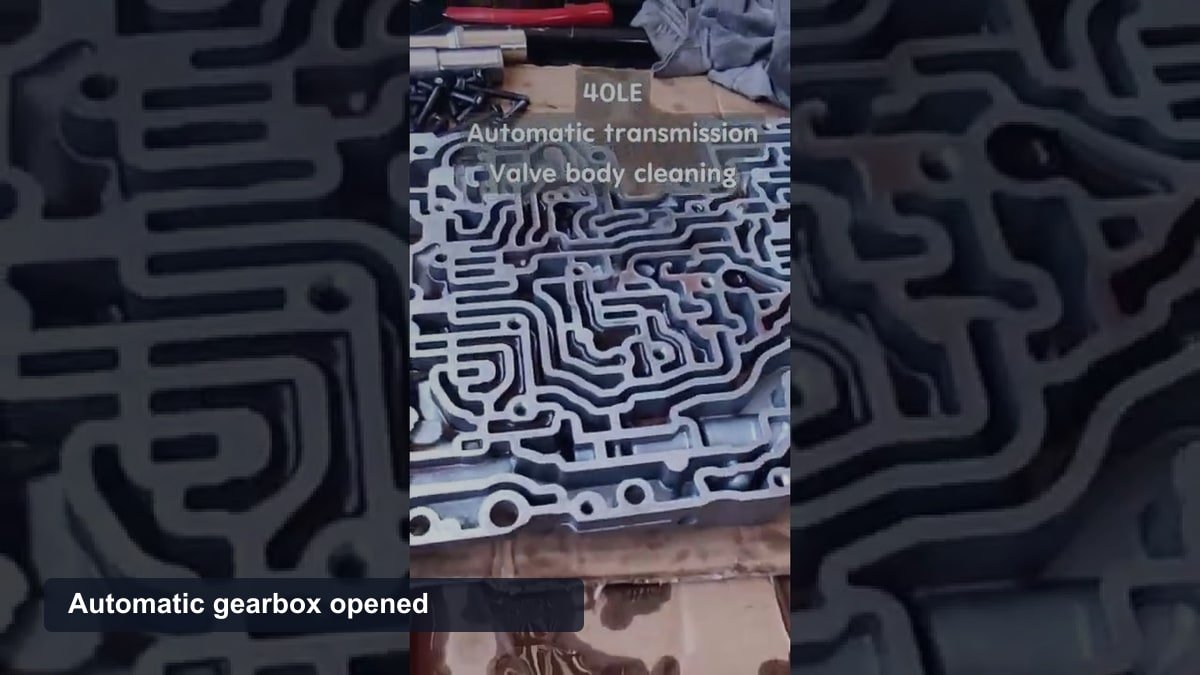
Major components include the torque converter, planetary gear sets, valve body, clutch packs, solenoids, and automatic transmission fluid (ATF). The terms “automatic gearbox” and “automatic transmission” describe the same system and are used interchangeably in most markets.
The gearbox sits between the engine and the drive wheels. Its job is to match engine output to road speed, so the engine runs efficiently at low speed, at highway speed, and everywhere in between. Every component listed above plays a role in that job, and a fault in any one of them can affect the whole system.
What Are the Different Types of Automatic Gearbox?
Three main types of automatic gearbox exist: torque-converter automatics, continuously variable transmissions (CVTs), and dual-clutch transmissions (DCTs). Each uses a different method to change gear ratios.
- Torque-converter automatic. Uses fluid coupling and a set of planetary gears to shift between fixed gear ratios. This is the most common type in sedans, SUVs, and trucks.
- Continuously variable transmission (CVT). Uses a belt and pulley system that adjusts smoothly through an unlimited range of ratios, rather than shifting between fixed gears.
- Dual-clutch transmission (DCT). Uses two separate clutches for odd and even gears, which allows near-instant shifts with minimal power interruption.
Repair costs and rebuild options differ by type. CVTs are usually replaced rather than rebuilt, and dual-clutch units often need computer reprogramming after a repair.
What Are the Signs of a Failing Automatic Gearbox?
A failing automatic gearbox shows warning signs early, often well before a full breakdown. The 7 most common signs are:
- Slipping gears. The engine revs, but the car does not accelerate at the same rate.
- Rough or delayed shifting. The gearbox hesitates moving from Park to Drive, or shifts with a hard jerk between gears.
- Grinding, whining, or clunking noises. These sounds often point to worn bearings, gear teeth, or a failing pump.
- A burning smell. This usually comes from overheated or degraded transmission fluid.
- Fluid leaks. Red or brown fluid pooling near the center of the vehicle signals a leak, unlike engine oil, which typically leaks toward the front.
- Dashboard warning lights. A Check Engine or transmission warning light, often paired with a code such as P0700 or P0740, signals an internal fault.
- Difficulty engaging gear. The vehicle resists moving from Park or Neutral into Drive or Reverse.
Any one of these signs justifies a diagnostic check, since early faults cost less to fix than the damage they cause if ignored. A same-day inspection, using a fluid check and a code scan, usually identifies which of the 7 causes below is responsible.
What Causes Automatic Gearbox Problems?
Automatic gearbox problems come from fluid issues, worn components, overheating, and electrical faults. The 7 most common causes are:
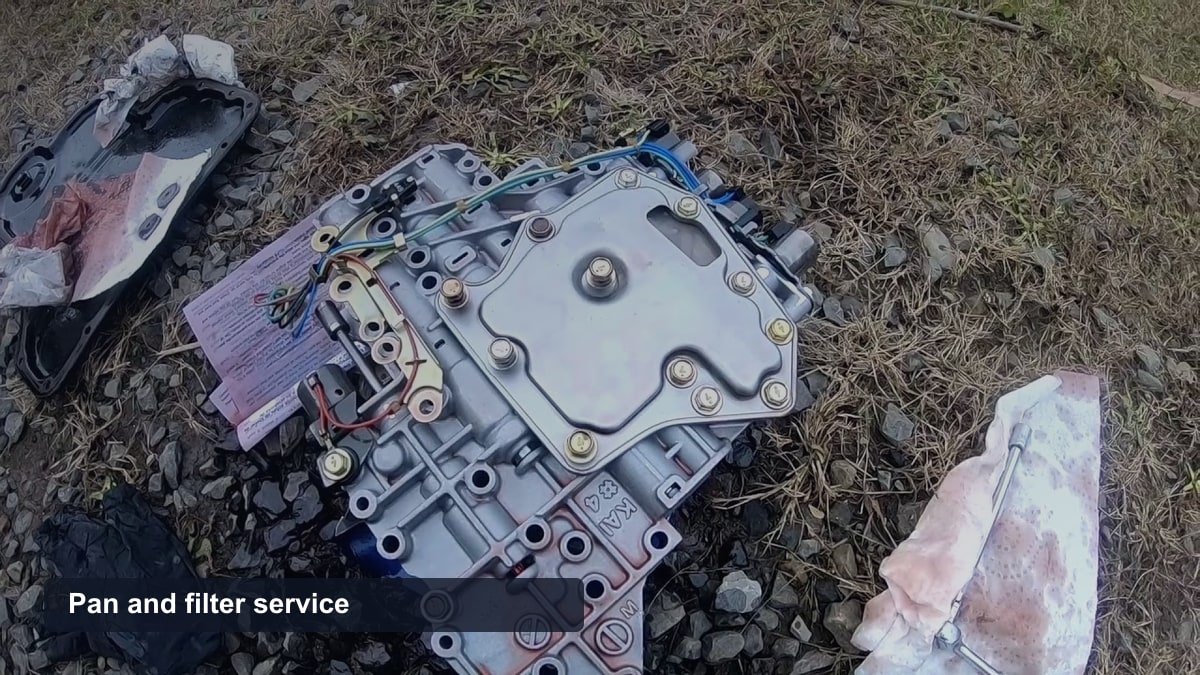
- Low or contaminated transmission fluid. This is the single most cited cause of gearbox failure and usually results from a leak or a missed fluid change.
- A clogged transmission filter. Dirty fluid leaves deposits that block the filter, which causes sluggish or delayed shifts.
- Overheating. Poor fluid circulation, towing beyond the vehicle’s rated capacity, and a torque converter clutch that fails to disengage all raise transmission temperature.
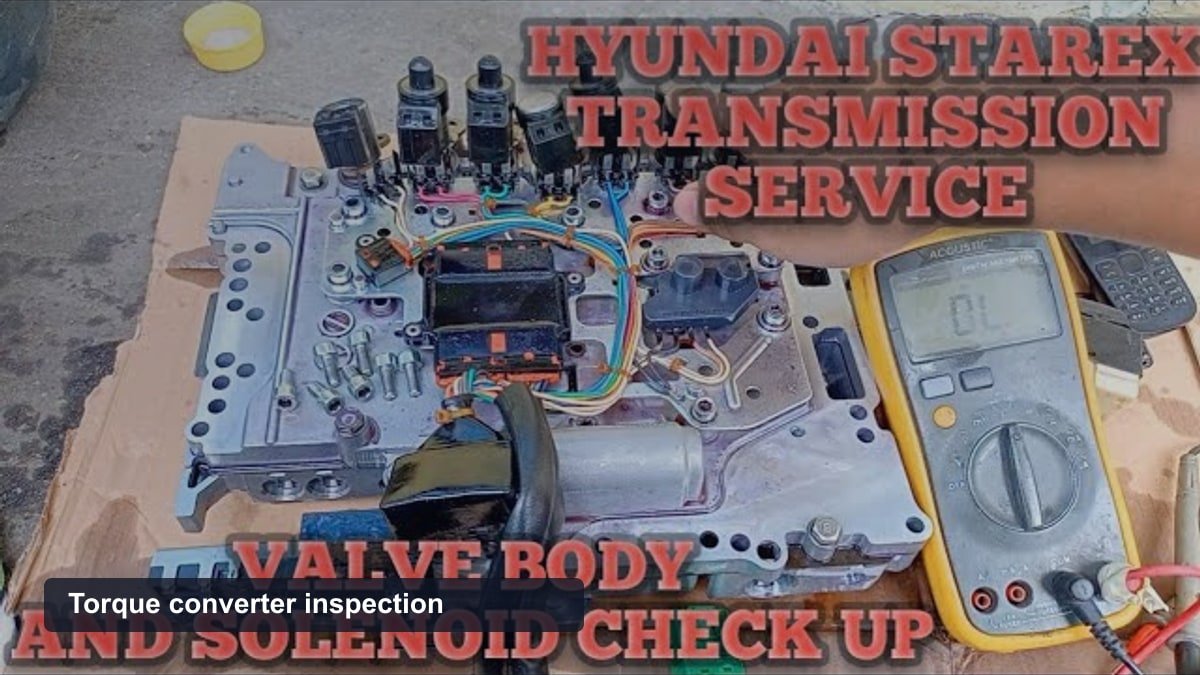
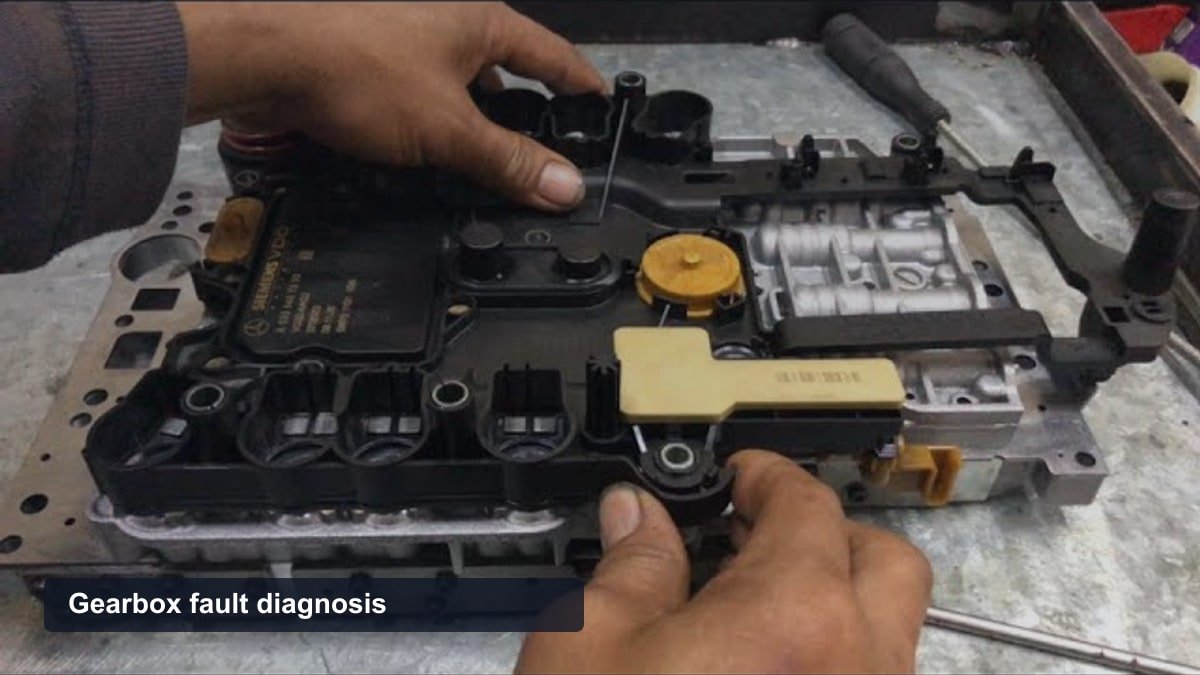
- Worn shift solenoids. When a solenoid fails to open or close correctly, two hydraulic circuits get pressurized at once, which blocks a clean gear change.
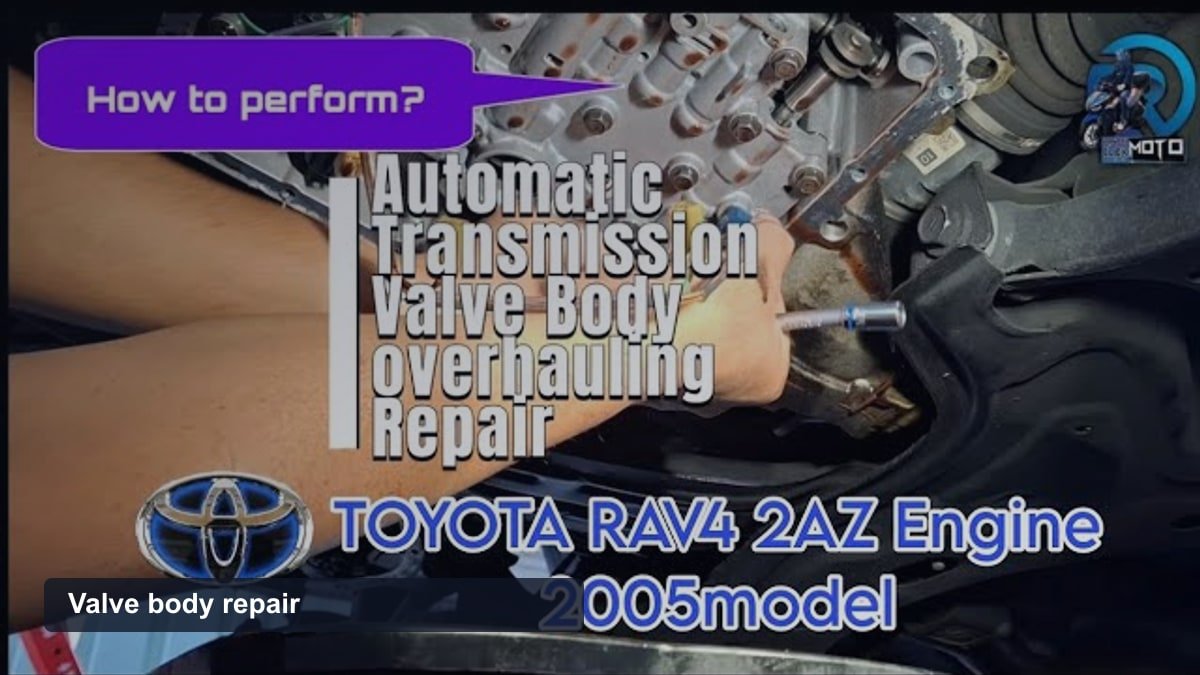
- Valve body issues. Sticking valve spools block the fluid pathways that control shifting, usually because of sludge from degraded fluid.
- Worn internal components. Bearings, gear teeth, clutch packs, and bands wear down with mileage and eventually cause noise, slipping, or delayed shifts.
- Electrical or sensor faults. Faulty wiring or sensors send incorrect data to the transmission control module, which leads to erratic shifting.
Fluid-related issues account for the first three causes on this list, which is why fluid condition is the first thing a technician checks during diagnosis.
How Much Does Automatic Gearbox Repair Cost?
Automatic gearbox repair costs range from about $100 for a fluid service to $8,000 for a full replacement, depending on the fault. The table below breaks down typical U.S. repair costs by fault type, based on 2026 industry pricing guides, with each cost tied to the specific work it covers.
| Repair Type | Typical Cost Range | What It Involves |
|---|---|---|
| Fluid service | $100 to $400 | Draining and replacing the transmission fluid and filter |
| Solenoid or sensor replacement | $300 to $900 | Replacing a faulty shift solenoid or sensor |
| Valve body replacement | $500 to $1,500 | Replacing the unit that directs hydraulic pressure during shifts |
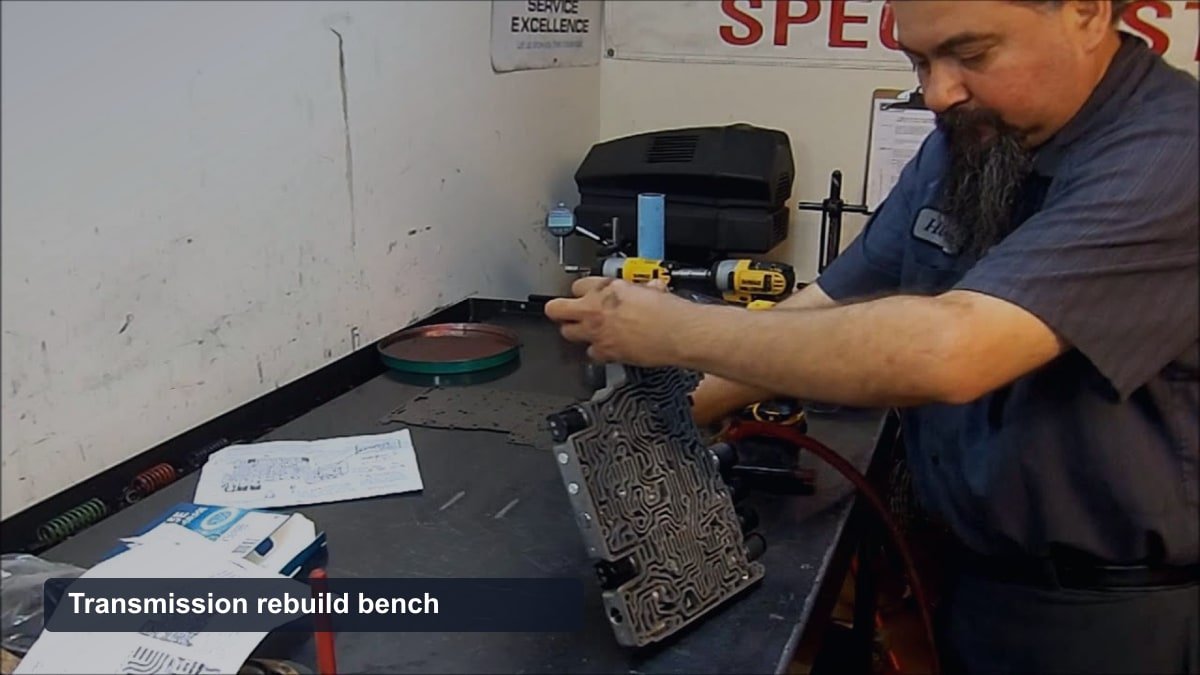
| Transmission rebuild | $1,500 to $4,500 | Removing, disassembling, and replacing worn internal components |
| Full replacement | $2,500 to $8,000 | Installing a new, remanufactured, or used transmission |
Labor typically adds $70 to $150 per hour on top of parts costs. Luxury vehicles, trucks, and vehicles with a CVT or dual-clutch transmission usually cost more than these ranges. Figures outside the United States vary by local labor rates and part availability.
For technical background, see mechanical transmission overview.
Should You Repair, Rebuild, or Replace the Gearbox?
The right choice depends on the repair cost relative to the vehicle’s market value and overall condition. Repair shops commonly compare the repair estimate to the car’s current market value, with cited thresholds ranging from 40% to 60% of that value. A repair cost below this threshold typically favors fixing the gearbox, while a cost above it favors replacing the vehicle instead.
This ratio is one factor among several, not the only one. A car with a clean maintenance history, a sound engine, and no other pending repairs justifies a higher repair cost than one with several unresolved issues. A written estimate that names the exact failed component, rather than a vague quote, gives a clearer basis for this decision.
How Long Does Automatic Gearbox Repair Take?
Automatic gearbox repair takes anywhere from a few hours for a fluid service to about a week for a full rebuild or replacement. Typical timeframes by repair type:
- Fluid service: a few hours to one day
- Solenoid, sensor, or seal repair: 1 to 3 business days
- Transmission rebuild: 3 to 5 business days
- Full replacement: 3 business days to about a week
Parts availability accounts for most of the variation within these ranges. Common vehicle models with parts in stock finish faster than older or less common models that require ordered parts.
How Can You Prevent Automatic Gearbox Failure?
Regular fluid changes prevent most automatic gearbox failures, since low or degraded fluid is the leading cause of internal damage. The following 5 habits address the causes covered earlier in this guide:
- Change the transmission fluid and filter on the manufacturer’s schedule, typically every 30,000 to 100,000 miles.
- Use the exact fluid type specified in the owner’s manual, since different gearboxes require different ATF formulations.
- Keep towing loads within the vehicle’s rated capacity to avoid overheating the torque converter.
- Address warning lights and diagnostic codes promptly, since early solenoid or sensor faults cost far less to fix than a full rebuild.
- Schedule a professional inspection at the first sign of slipping, noise, or delayed shifting.
These same parts, the fluid, solenoids, valve body, and torque converter covered at the start of this guide, are what most gearbox repairs ultimately address.

Jimmy O’Riley is a UK-based mobile mechanic and automotive diagnostic specialist operating out of Bedfordshire, England. He founded O’Rileys Autos in 2011 with a focus on bringing professional vehicle repairs directly to customers at their homes and workplaces.
With over a decade of hands-on experience, Jimmy specializes in ABS diagnostics, brake system repairs, diesel emissions faults, and DPF cleaning. He is recognized across the UK and Ireland as one of the leading specialists in vehicle braking and emissions systems, earning the title “The DPF King” from his growing online audience.
Jimmy documents real-world automotive repairs through his YouTube channel, which has accumulated over 97,000 subscribers and nearly 2,000 published repair videos. His content covers ABS fault diagnosis, wheel speed sensor testing, brake module replacement, and roadside repair procedures across a wide range of vehicle makes and models.
He is active on YouTube, Instagram, and Facebook under O’Rileys Autos.