
The message came through at half seven, a Volkswagen Tiguan in Flitwick, owner had two weeks until MOT and the dashboard looked like a Christmas tree. He'd already been to a main dealer, left with a quote for a new forward-facing camera at five hundred and forty pounds, not including the calibration charge on top. The calibration charge was another hundred and forty.
ADAS components, the cameras, radar units, and control modules that run everything from autonomous emergency braking to lane departure warnings, have risen twenty-three percent in UK price in twelve months. That figure is not disputed by anyone buying these parts in volume. What that means for the person with an ADAS warning light and an MOT deadline is that the repair estimate from twelve months ago is already out of date.
I connected the scanner to the Tiguan and pulled the full code set. The system showed a camera communication fault alongside the other warnings, which is the kind of read that can look expensive if you take it at face value. Live data told a different story.
The left rear wheel speed sensor was sending a signal that dropped to zero at anything below eight miles an hour. Not intermittent noise, a clean, complete dropout at low speed. On a system where ABS and ADAS share the same wheel speed inputs, that dropout was causing the ADAS module to lose its speed calculation entirely. The module responded by throwing every warning it had at once.
The camera itself was working correctly. The radar unit was also working correctly. The dealer quote for a new forward-facing camera was based on a code that pointed at a symptom, not the cause. The cause was a wheel speed sensor that costs forty-eight pounds.
The twenty-three percent rise in ADAS parts prices is real and it is going to affect every driver who owns a post-2018 vehicle. What concerns me is how it gets used. A price rise in components does not make guesswork acceptable, it makes accurate diagnosis more important than it has ever been. Parts at this cost cannot be ordered on the basis of a first code screen.
The MOT angle makes this worse, because AEB warning lights are now an automatic MOT fail if illuminated. Owners who have managed a warning light for months without incident suddenly have a hard deadline. That deadline is what some places lean on, and it is what turns a forty-eight-pound sensor into a five-hundred-and-forty-pound camera conversation.
I know why drivers leave ADAS warnings for months. The car drives the same. Lane assist and radar braking feel optional in a way that an ABS fault does not. They are not optional at MOT and they are not optional when the system is actually needed.
Calibration is the part of ADAS repair that people do not anticipate. Replace a forward camera and the system has to be recalibrated to understand where the car sits relative to the road. That is a legitimate specialist cost and the equipment needed is not cheap. What is not legitimate is quoting calibration on top of a parts replacement that was never necessary.
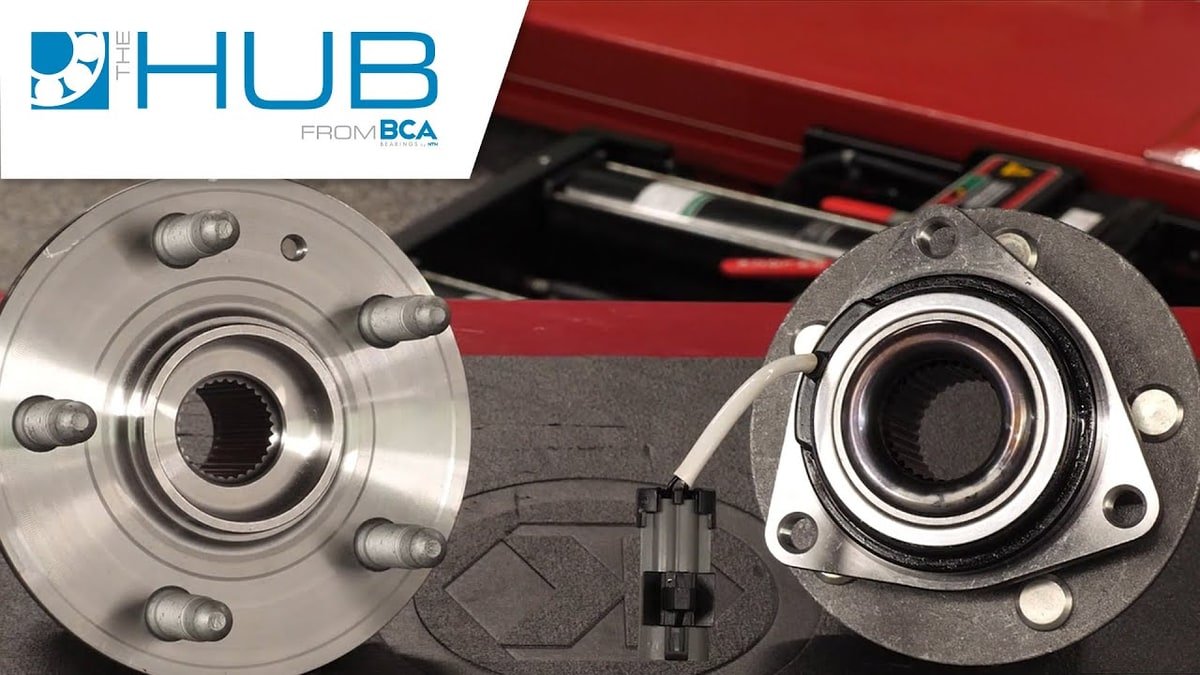
The Tiguan got a new left rear wheel speed sensor, forty-eight pounds for the part, fitted in under an hour. The old connector had the thick white terminal corrosion that UK roads put on rear wheel sensors faster than anything in mainland Europe. It fought me for a minute coming off, same as they always do. Live data came back clean across all four sensors, the codes cleared, the dashboard went back to blank, and the owner passed his MOT the following Thursday.
Six hundred and eighty pounds saved because the code was read past the first line.
I posted the job on the channel because this exact fault pattern, wheel speed sensor dropout presenting as full ADAS failure, comes up repeatedly on certain platforms. The comments confirmed what I expected, owners quoted for cameras who had not had the wheel speed sensor data checked at all. That is the fault that is invisible to anyone who reads the first code and stops there.
The twenty-three percent rise is not going to reverse. ADAS systems are on every new platform and the components are not interchangeable between manufacturers, which keeps pricing where suppliers want it. The drivers dealing with this need diagnostics that go deeper than the code list, not faster routes to the parts catalogue.
I packed the scanner away and drove out of Flitwick with forty-eight pounds in parts on the job sheet. The camera the dealer quoted at five hundred and forty pounds was still in the car it came fitted with, doing exactly what it was always doing. A twenty-three percent price rise and a hard MOT deadline is a very good combination for anyone who stops reading at the first code.

Jimmy O’Riley is a UK-based mobile mechanic and automotive diagnostic specialist operating out of Bedfordshire, England. He founded O’Rileys Autos in 2011 with a focus on bringing professional vehicle repairs directly to customers at their homes and workplaces.
With over a decade of hands-on experience, Jimmy specializes in ABS diagnostics, brake system repairs, diesel emissions faults, and DPF cleaning. He is recognized across the UK and Ireland as one of the leading specialists in vehicle braking and emissions systems, earning the title “The DPF King” from his growing online audience.
Jimmy documents real-world automotive repairs through his YouTube channel, which has accumulated over 97,000 subscribers and nearly 2,000 published repair videos. His content covers ABS fault diagnosis, wheel speed sensor testing, brake module replacement, and roadside repair procedures across a wide range of vehicle makes and models.
He is active on YouTube, Instagram, and Facebook under O’Rileys Autos.