
What Is a Gearbox?
A gearbox is the set of gears and casing that changes the ratio between an engine’s rotation speed and a vehicle’s wheel speed. It sits between the engine and the wheels, and it lets a vehicle start from a stop, climb a grade, and cruise at highway speed using one engine. Gearboxes come in five main types, average 150,000 to 200,000 miles of service life, and give off distinct warning signs before they fail.
How Does a Gearbox Work?
A gearbox changes the ratio between engine speed and wheel speed. Gears of different sizes mesh together inside the unit, and switching between them changes how many times the engine turns for each wheel rotation.
Low gears spin the wheels slowly relative to the engine. This raises torque, which helps with starting from a stop, climbing a grade, or towing. High gears spin the wheels quickly relative to the engine. This raises top speed and keeps engine RPM lower during highway driving, which improves fuel economy.
Example: a car in first gear might turn the engine roughly three times for every one wheel rotation. In fifth or sixth gear, that ratio drops close to one engine rotation per wheel rotation, sometimes below it in an overdrive gear.
An automatic gearbox uses a torque converter, a fluid coupling that transfers engine power to the gearbox without a mechanical clutch pedal. Planetary gearsets inside then shift automatically based on speed and throttle input. A manual gearbox uses a driver-operated clutch, a pair of friction plates that connect and disconnect the engine from the gearbox each time the driver changes gear.
[Image suggestion: cutaway diagram comparing a manual gearbox and an automatic gearbox. Alt text: “Cutaway diagram showing the internal gears of a manual versus automatic gearbox”]
What Are the Types of Gearboxes?
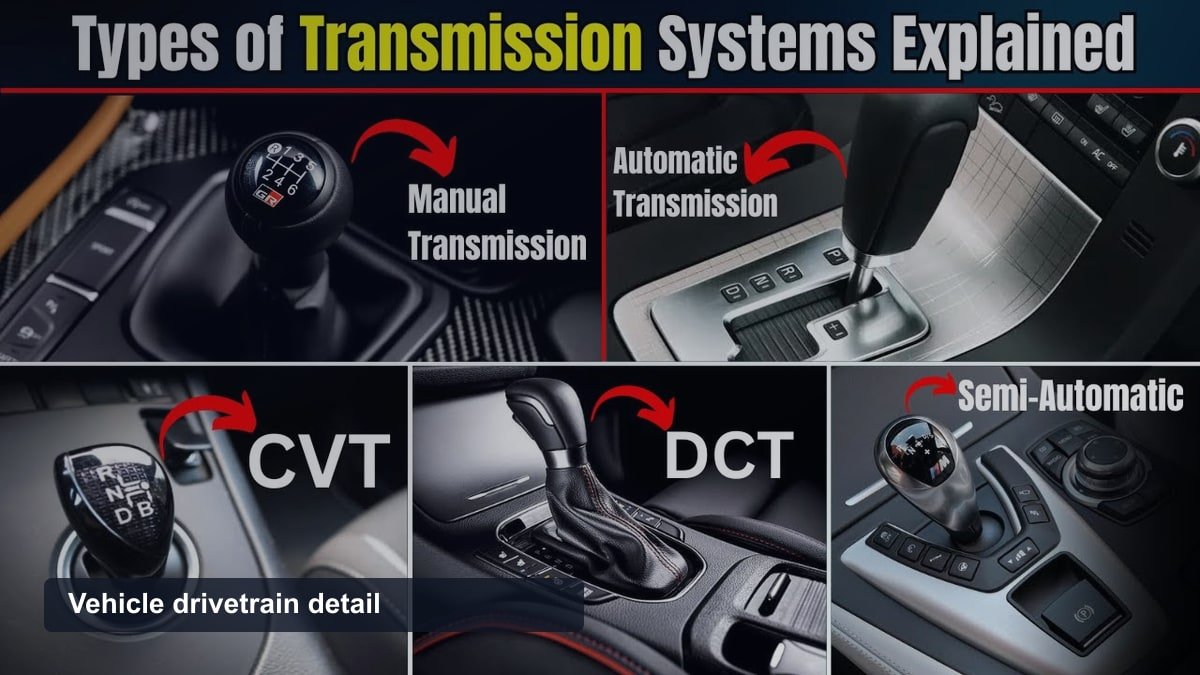
Five gearbox types cover most vehicles on the road today.
| Type | How It Shifts | Common In |
|---|---|---|
| Manual | Driver operates a clutch pedal and gear stick | Sports cars, budget models, some trucks |
| Automatic (torque converter) | A hydraulic torque converter and planetary gearsets shift without driver input | Most mainstream cars and SUVs |
| CVT | A belt and pulley system varies the ratio continuously instead of using fixed steps | Compact and midsize sedans, hybrids |
| Dual-clutch (DCT) | Two clutches pre-select the next gear for near-instant electronic shifts | Performance cars, select VW, Audi, and Porsche models |
| Automated manual (AMT) | A computer operates the clutch and gear stick of a manual gearbox | Budget cars in some global markets |
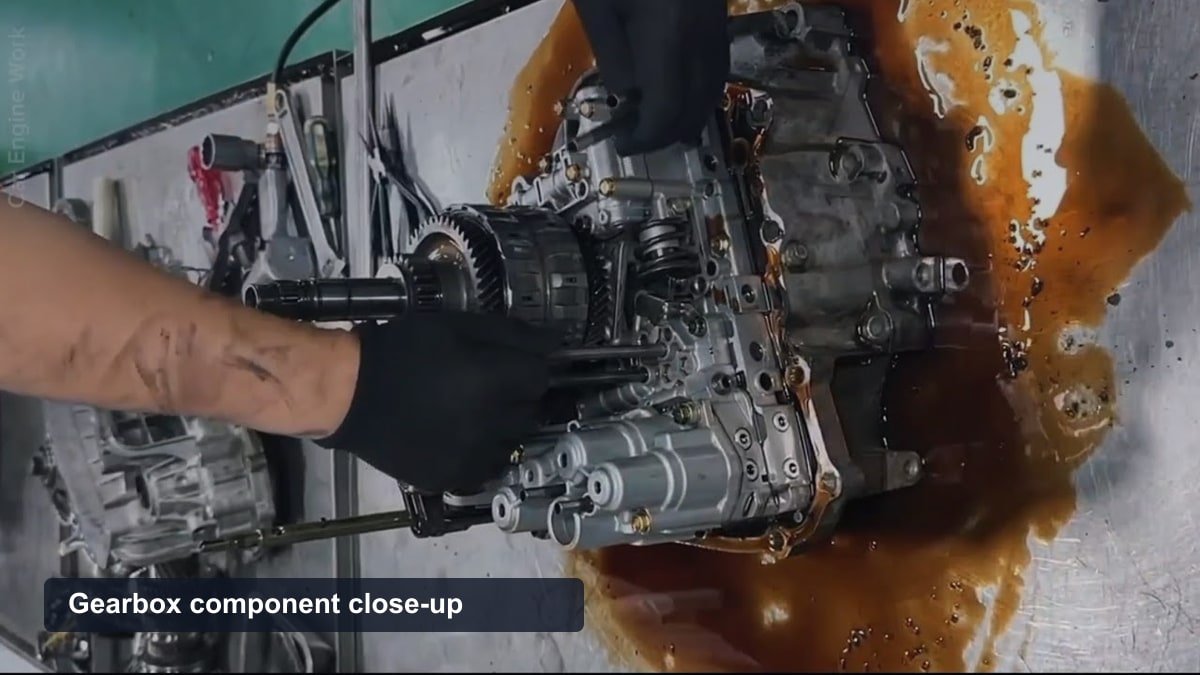
CVTs and dual-clutch gearboxes carry trade-offs worth knowing before a purchase. A CVT holds engine RPM steady during acceleration instead of stepping through fixed gears, which produces smooth but less distinct acceleration than a stepped automatic. A DCT shifts faster than either a torque-converter automatic or a manual driver, but early DCT designs were known for jerky engagement at low speed in stop-and-go traffic, an issue most manufacturers have since refined through software updates.
[Internal link: your article on manual vs automatic transmission pros and cons]
Is a Gearbox the Same as a Transmission?
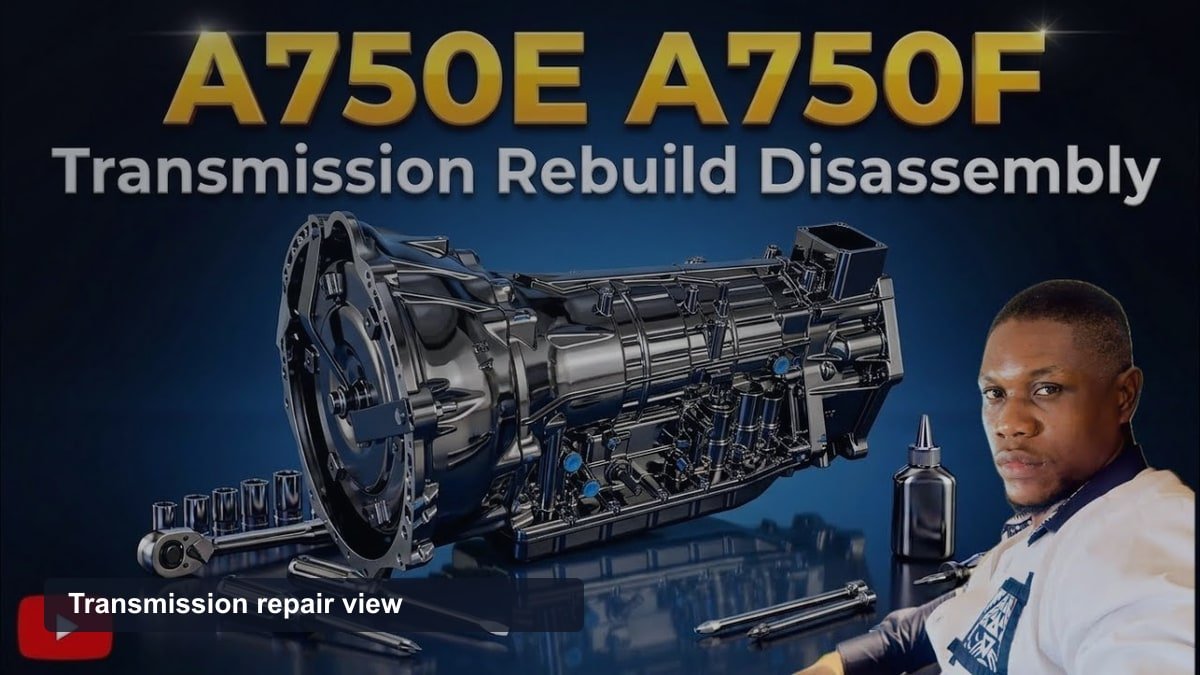
Gearbox and transmission usually describe the same part. American English favors transmission. British and Commonwealth English favor gearbox. Some engineers use a narrower distinction: transmission refers to the complete power-delivery system, including the gearbox, differential, and driveshafts, while gearbox refers specifically to the gear-containing unit itself. For most drivers, and for most general content, the two words are interchangeable. A car described as having a “six-speed gearbox” in a UK road test and a “six-speed transmission” in a US road test is being described the same way, just with regional vocabulary.
How Long Does a Gearbox Last?
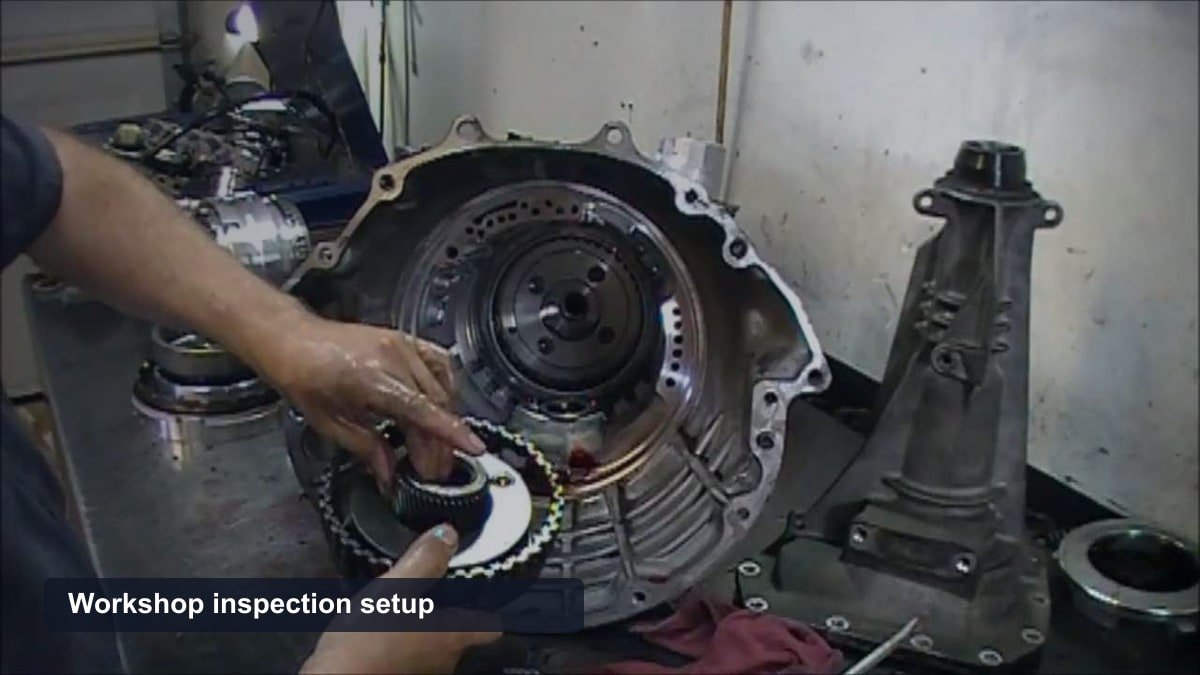
A well-maintained gearbox typically lasts 150,000 to 200,000 miles, or roughly 7 to 15 years at average annual mileage. That range shifts by type. Manual gearboxes often reach 150,000 to 250,000 miles, since they carry fewer moving parts and run cooler. CVTs commonly fall short of that, at 100,000 to 180,000 miles, due to higher sensitivity to fluid condition and heat. Dual-clutch gearboxes typically land in the 120,000 to 200,000-mile range, and heavy-duty truck units can exceed 400,000 miles with correct service.
Three factors shorten gearbox lifespan the most: skipped fluid changes, frequent towing or heavy loads, and sustained hot-climate or stop-and-go driving. Neglecting fluid service alone can start degrading a gearbox after as little as 60,000 to 80,000 miles.
Four habits extend it the other way:
- Following the manufacturer’s fluid change interval, even on vehicles marketed with “lifetime fluid”
- Letting the vehicle warm up before hard acceleration in cold weather
- Staying within the vehicle’s rated towing capacity rather than pushing past it
- Addressing warning signs early rather than waiting for a full failure
Manual vs Automatic: Which Is More Common?
Manual gearboxes made up less than 1 percent of new vehicle sales in the United States as of the most recent model year, down from about 35 percent in 1980, according to EPA automotive trends data. Automatic, CVT, and dual-clutch gearboxes account for nearly all the rest.
Europe tells a different story. Manual gearboxes represented about 50 percent of new car sales across the EU and UK in 2020, down from roughly 89 percent two decades earlier, though the decline is accelerating there too.
The decline is not uniform across every model. Enthusiast and performance cars buck the trend: 90 percent of Subaru BRZ buyers chose a manual in 2025, along with 85 percent of Subaru WRX buyers and 83 percent of Porsche 911 GT3 Touring buyers. Mainstream commuter cars rarely offer the option at all.
The decline connects to a broader skills gap. A 2020 poll commissioned by Cadillac found that 66 percent of Americans could drive a manual gearbox, compared with 97 percent of UK license holders.
For technical background, see mechanical transmission overview.
What Are Signs of Gearbox Problems?
Six signs point to a developing gearbox problem, from minor to urgent.
What Does Slipping or Delayed Engagement Mean?
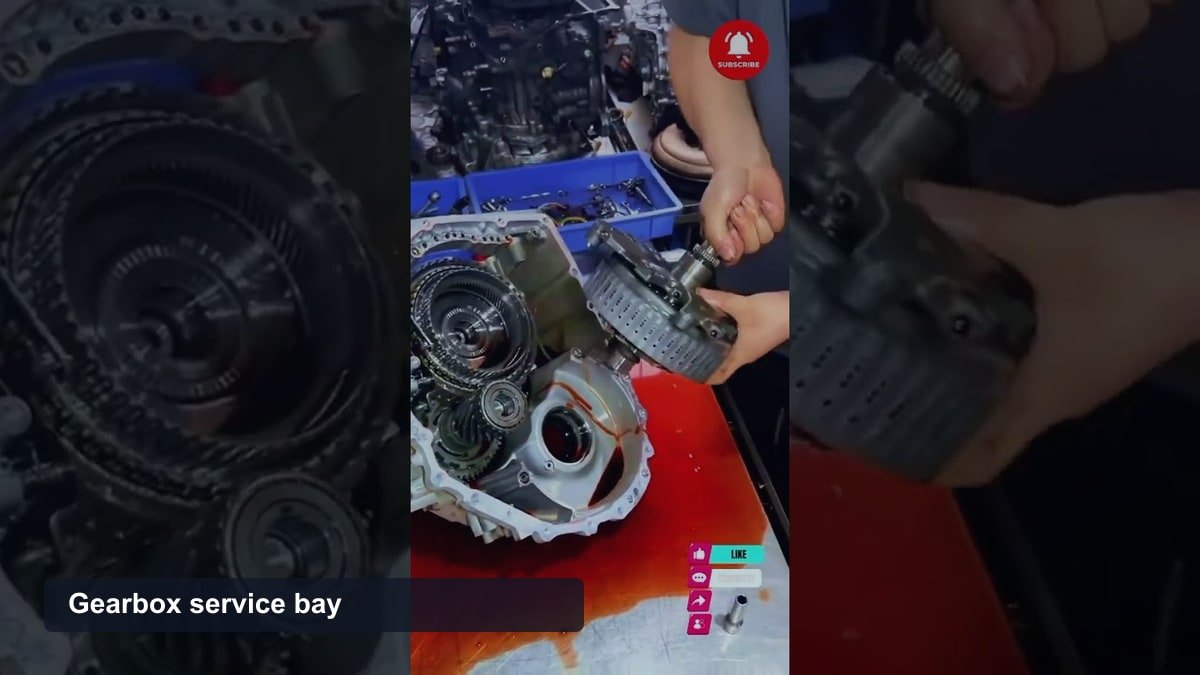
The engine revs up without a matching increase in speed, or the car hesitates for a moment after shifting into drive or reverse. This points to worn internal components or low, degraded fluid.
What Does Unusual Gearbox Noise Mean?
A grinding sound during a manual shift often means clutch or synchronizer wear. A whining, humming, or clunking noise from an automatic or CVT often points to worn bearings or gear wear.
Other signs include a burning smell from the fluid, fluid that looks brown or black instead of clear red, a reddish fluid leak underneath the vehicle, and a lit transmission or check-engine warning light.
How Much Does It Cost to Fix or Maintain a Gearbox?
A fluid service costs $150 to $450 in most cases, covering routine maintenance rather than a repair. [Internal link: your article on gearbox flush cost] A full rebuild or replacement costs $2,000 to $4,500 on a typical vehicle, and more on luxury or performance models with specialized parts.
Interval matters as much as price. CVT fluid typically needs replacement every 30,000 to 40,000 miles, more often than the 60,000-mile-plus interval common on traditional automatics, which is one reason CVTs also show a shorter average lifespan. A proper diagnosis before assuming the worst prevents paying for a replacement when a fluid service, a sensor, or a solenoid would fix the problem instead.
What Is a Gearbox, in Summary?
A gearbox is the geared unit that matches engine speed to wheel speed, available in five main types, lasting 150,000 to 200,000 miles on average with proper fluid service. Manual gearboxes have nearly disappeared from mainstream new-car sales but persist in performance models, while automatic, CVT, and dual-clutch gearboxes cover most of the market. Watching for slipping, unusual noise, or discolored fluid catches most problems before they turn into a full replacement.

Jimmy O’Riley is a UK-based mobile mechanic and automotive diagnostic specialist operating out of Bedfordshire, England. He founded O’Rileys Autos in 2011 with a focus on bringing professional vehicle repairs directly to customers at their homes and workplaces.
With over a decade of hands-on experience, Jimmy specializes in ABS diagnostics, brake system repairs, diesel emissions faults, and DPF cleaning. He is recognized across the UK and Ireland as one of the leading specialists in vehicle braking and emissions systems, earning the title “The DPF King” from his growing online audience.
Jimmy documents real-world automotive repairs through his YouTube channel, which has accumulated over 97,000 subscribers and nearly 2,000 published repair videos. His content covers ABS fault diagnosis, wheel speed sensor testing, brake module replacement, and roadside repair procedures across a wide range of vehicle makes and models.
He is active on YouTube, Instagram, and Facebook under O’Rileys Autos.