
Manual Gearbox Fluid: GL-4, GL-5, and Change Intervals
What Is Manual Gearbox Fluid?
Manual gearbox fluid is the oil that lubricates the gears, bearings, and synchroniser rings inside a manual transmission. It is also called gear oil, gear lube, or manual transmission fluid (MTF). It is not the same as automatic transmission fluid (ATF), a thinner, separate fluid designed for automatic gearboxes.
Manual gearbox fluid comes in several grades and base types. Examples include mineral gear oil, synthetic gear oil, and semi-synthetic blends. Grades are set by the American Petroleum Institute (API), ranging from GL-1 to GL-5.
A small number of manual gearboxes are specified to use ATF instead of traditional gear oil. This is an exception, not the norm. The vehicle handbook always confirms the correct fluid for a specific model.
What Does Manual Gearbox Fluid Do?
Manual gearbox fluid performs three main jobs. It lubricates gear teeth, bearings, and synchroniser rings to reduce friction. It cools internal components by carrying heat away from moving parts. It also protects metal surfaces from corrosion and wear.
Synchroniser rings rely on the fluid’s friction properties to work correctly. Fluid that is too thick, too thin, or built with the wrong additives makes gear changes difficult or rough.
What Is the Difference Between GL-4 and GL-5 Gear Oil?
GL-4 and GL-5 are API gear oil ratings that differ mainly in extreme-pressure (EP) additive content. GL-4 contains fewer EP additives and suits manual gearboxes with brass or bronze synchroniser components. GL-5 contains roughly double the EP additives and suits hypoid gears in differentials and axles.
Using GL-5 fluid in a gearbox designed for GL-4 can damage synchroniser rings. The extra EP additives react with yellow metals like brass and bronze, causing wear over time. GL-4 fluid does not protect hypoid gears adequately, since it lacks the additive package GL-5 provides.
The API gear oil scale runs from GL-1 to GL-5. Higher numbers indicate higher-pressure applications. Fluid choice always follows the manufacturer’s specification, listed in the vehicle handbook.
What Viscosity Does a Manual Gearbox Need?
Viscosity for manual gearbox fluid follows the SAE J306 gear oil scale, a separate scale from the SAE J300 rating used for engine oil. Common viscosity grades include 75W-90, 80W-90, and 75W-140.
The number before the W indicates cold-flow performance. The number after the W indicates thickness at operating temperature. Lower first numbers flow better in cold conditions. Higher second numbers provide thicker protection under heat and load.
Viscosity and GL rating are independent of each other. A full specification includes both, written as, for example, API GL-4, 75W-90.
Is Synthetic or Mineral Gear Oil Better for a Manual Gearbox?
Synthetic gear oil performs better across a wider temperature range than mineral gear oil. It resists oxidation for longer, which can extend the service interval. It also reduces friction slightly, which can improve shift feel in cold conditions.
Mineral gear oil costs less than synthetic gear oil. It provides adequate protection for standard road vehicles under normal driving conditions. Performance and heavy-duty vehicles benefit more from synthetic fluid than everyday commuter cars do.
Mixing synthetic and mineral gear oil is not recommended, because the two use different base chemistries and additive packages.
How Do You Check Manual Gearbox Fluid?
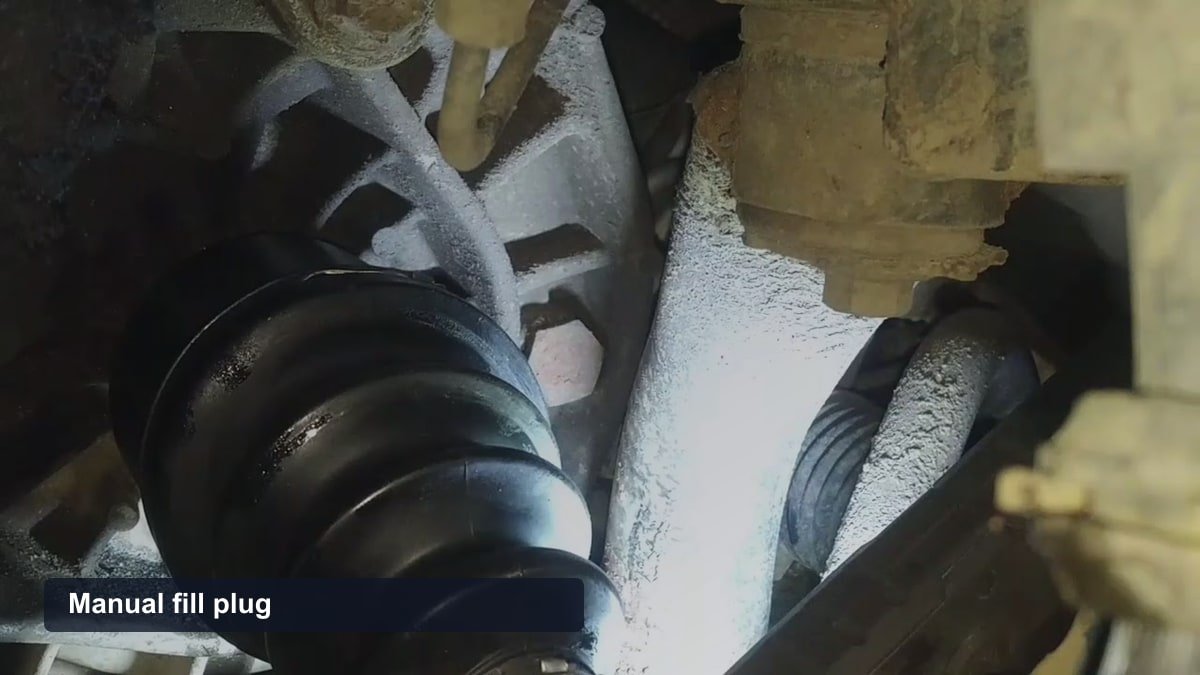
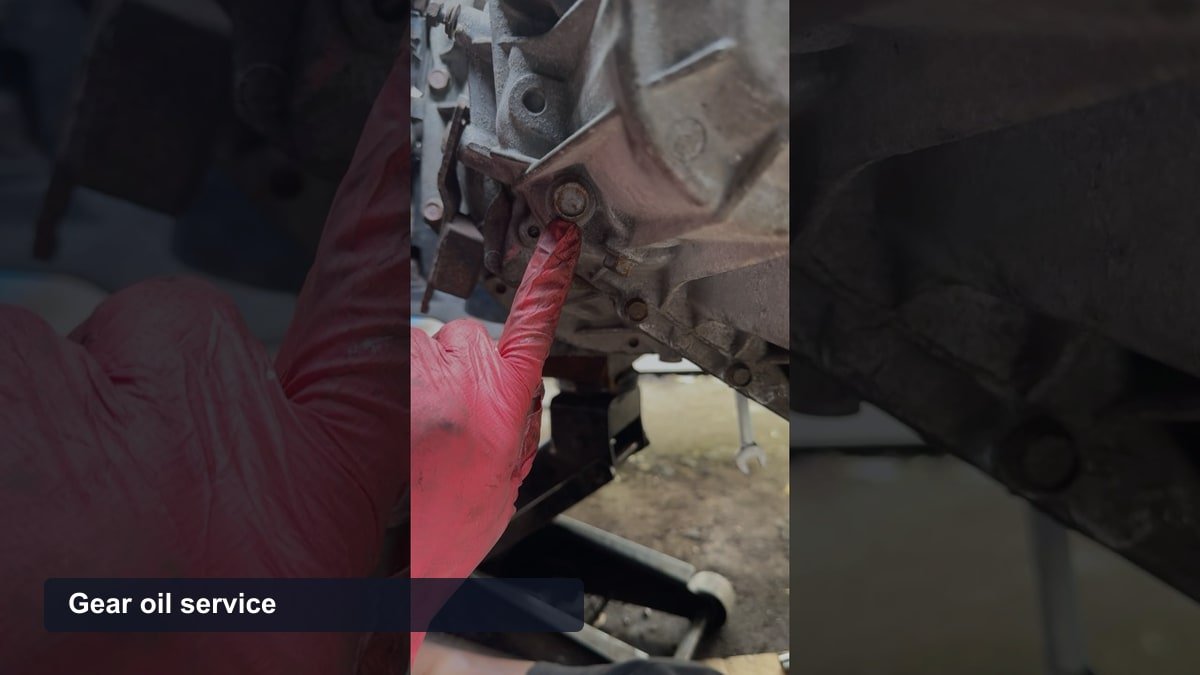
Most manual gearboxes have no dipstick. Fluid level is checked through a fill plug on the side of the gearbox case.
Checking the fluid takes five steps:
- Park the vehicle on level ground and let the gearbox cool for about 30 minutes after driving.
- Raise the vehicle and secure it on jack stands, since the fill plug is usually underneath.
- Clean the area around the fill plug, then remove it with the correct socket or key.
- Insert a finger into the hole. Correct fluid level reaches the bottom of the hole.
- Top up with the manufacturer-specified fluid if the level is low, then refit and tighten the fill plug.
What Are the Signs of Low or Old Manual Gearbox Fluid?
Low or degraded manual gearbox fluid produces specific symptoms. Common signs include:
- Notchy or baulky gear changes, especially when cold
- Grinding noise when shifting into gear
- Difficulty engaging first or reverse gear
- Whining or humming noise from the gearbox
- Fluid spots underneath the vehicle
- Dark, gritty, or burnt-smelling fluid
Healthy manual gearbox fluid is clean and amber in colour. Dark, cloudy, or metallic-smelling fluid signals that a change is due.
How Often Should Manual Gearbox Fluid Be Changed?
Manufacturers generally recommend a manual gearbox fluid change every 30,000 to 60,000 miles, or every four to five years. The exact interval depends on the vehicle and the fluid type used.
Severe driving conditions shorten this interval. Frequent short trips, towing, track use, and stop-start traffic all increase heat and contamination in the fluid, which speeds up its breakdown. The vehicle handbook confirms the manufacturer’s exact recommendation for a specific model.
What Happens If You Use the Wrong Gearbox Fluid?
Using the wrong gearbox fluid can cause real damage. GL-5 fluid used in a GL-4 gearbox can wear down brass or bronze synchroniser rings over time, since the higher EP additive content reacts with yellow metals. GL-4 fluid used in a gearbox that needs GL-5 will not protect hypoid gears adequately under heavy load.
Incorrect viscosity causes separate problems. Fluid that is too thick makes cold shifts stiff and notchy. Fluid that is too thin reduces protection at operating temperature.
The correct fluid specification is listed in the vehicle handbook or on the gearbox itself. Independent garages and parts stores can also confirm the correct specification from the vehicle’s registration details.
Can You Change Manual Gearbox Fluid Yourself?
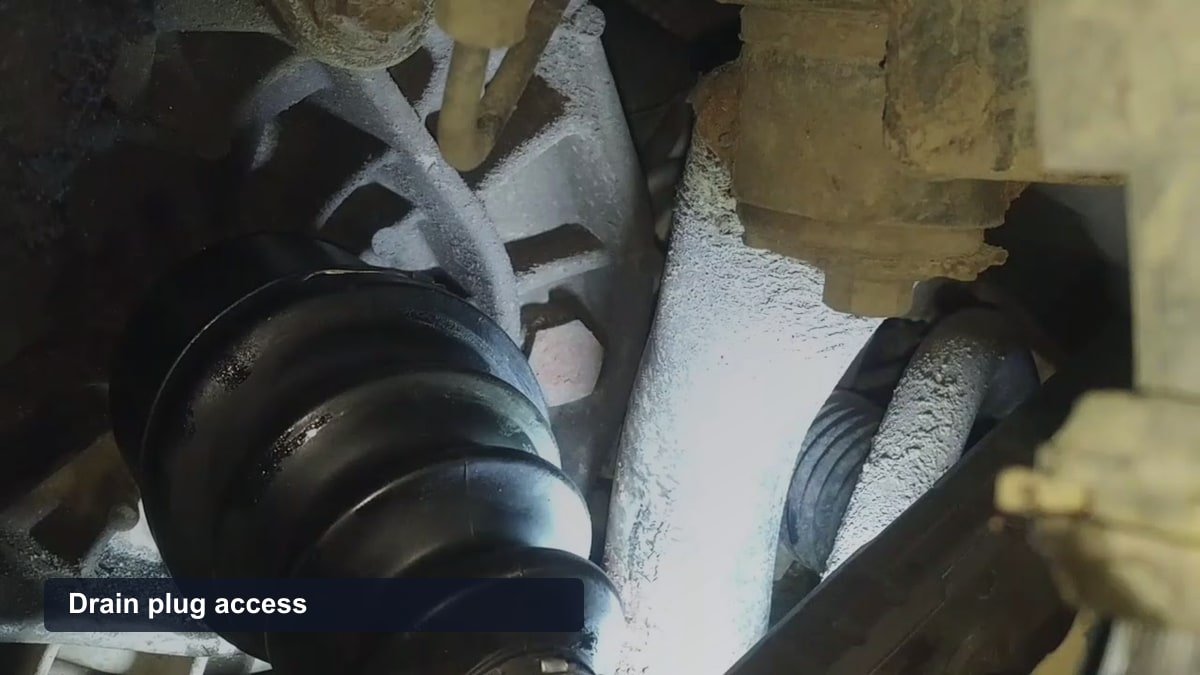
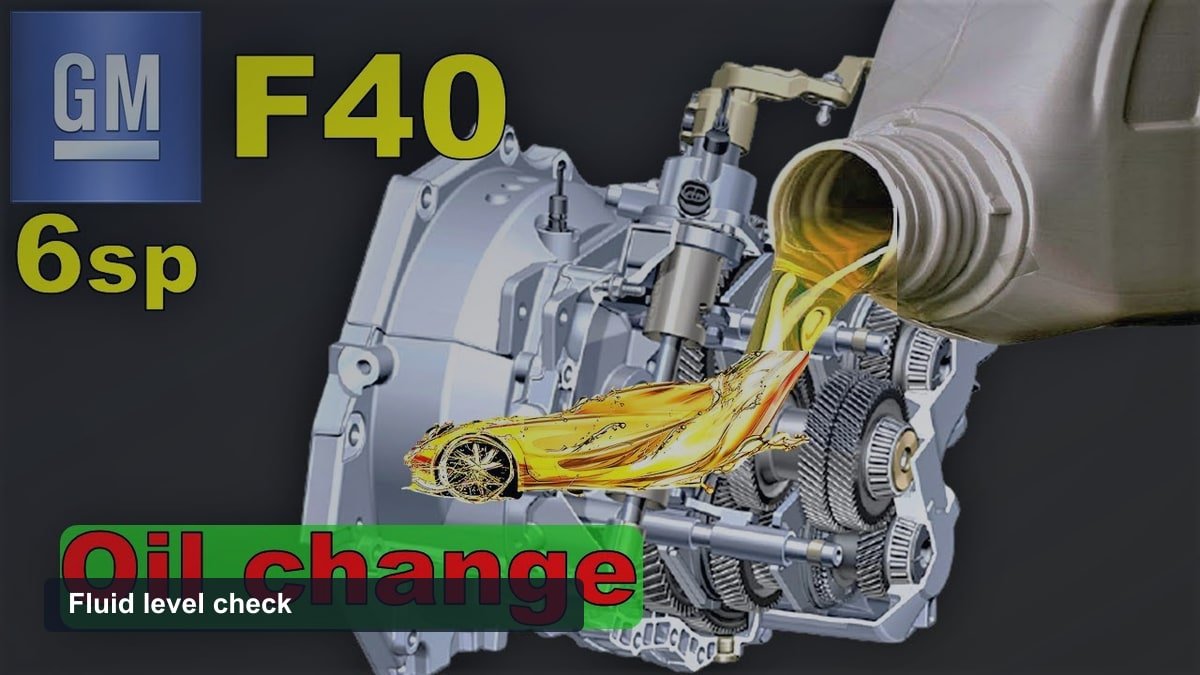
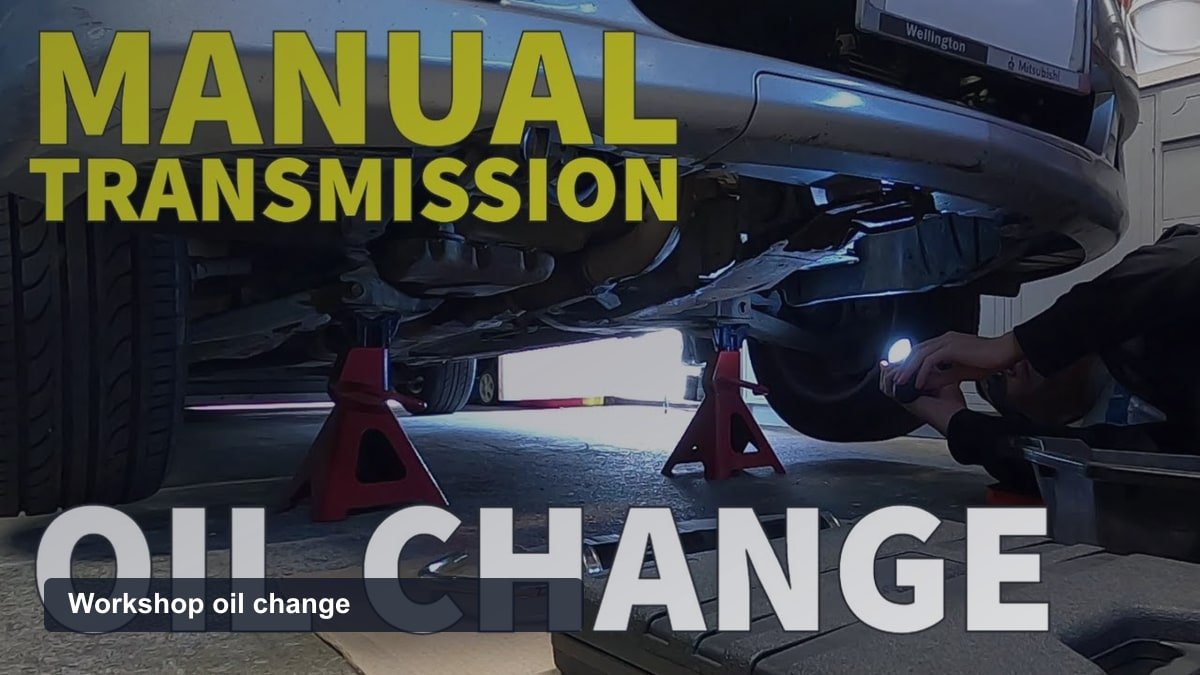
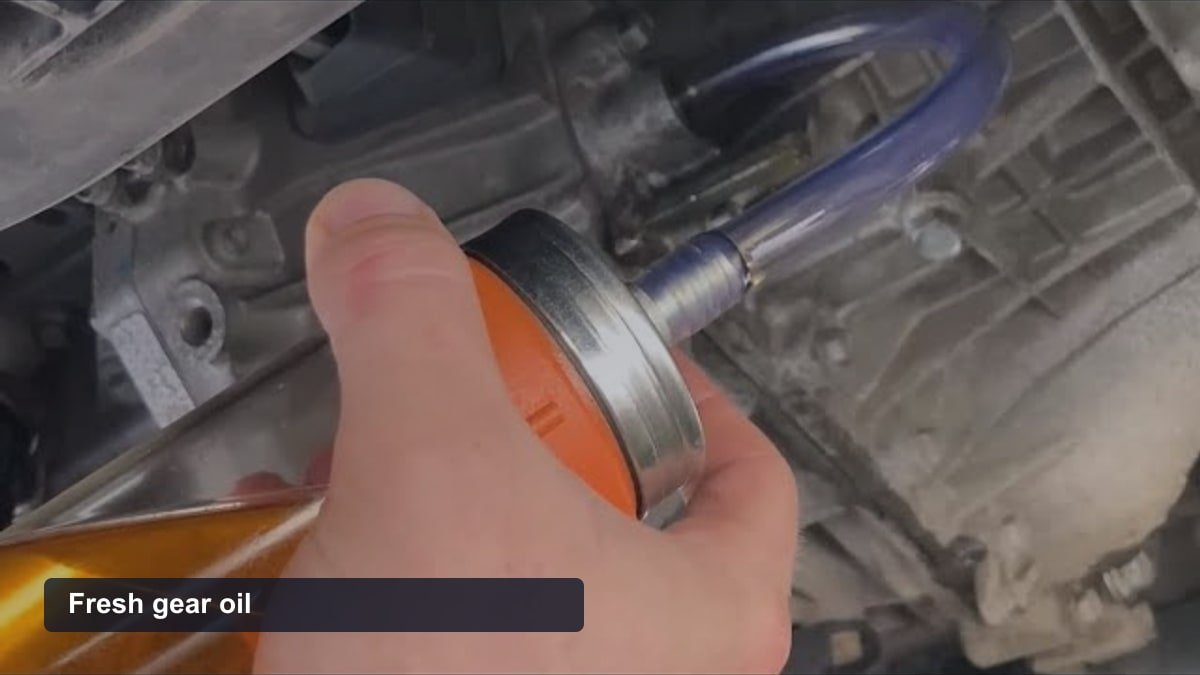
A manual gearbox fluid change is a manageable DIY job for someone with basic tools and moderate mechanical experience. The process involves draining fluid through a drain plug, then refilling through the fill plug until fluid reaches the bottom of the hole.
Access is the main challenge. Most manual gearboxes require the vehicle to be raised and secured on jack stands or ramps. A torque wrench brings the drain and fill plugs back to the correct specification, since overtightening can damage the plug threads.
Old fluid must be taken to a registered recycling point. It cannot be poured down a drain or added to general waste.
For technical background, see RAC automatic transmission fluid guide.
How Much Does Manual Gearbox Fluid Cost?
A manual gearbox fluid change costs £70 to £150 at a garage, or under £30 in parts as a DIY job. Fluid itself is a small part of the professional price, since labour makes up most of the bill.
Cost varies by gearbox type and vehicle brand. For a full price breakdown across manual, automatic, DSG, and CVT gearboxes, see the complete guide: Gearbox Fluid Change Cost: Prices and Factors in 2026.
Manual Gearbox Fluid FAQs
Is Manual Gearbox Fluid the Same as ATF?
No. Manual gearbox fluid, or gear oil, is thicker and contains different additives than automatic transmission fluid (ATF). The two are not interchangeable in most gearboxes.
Can I Use Engine Oil in a Manual Gearbox?
No. Engine oil lacks the extreme-pressure additives that protect gear teeth under load. Using engine oil in a manual gearbox can accelerate wear and lead to gear failure.
How Many Litres of Fluid Does a Manual Gearbox Hold?
Most manual gearboxes hold one to two litres of fluid. Larger gearboxes in trucks and performance vehicles can hold more.
What Colour Should Healthy Manual Gearbox Fluid Be?
Healthy manual gearbox fluid is clean and amber in colour. Dark, black, or cloudy fluid indicates it needs changing.
Can Low Gearbox Fluid Cause Gears to Grind?
Yes. Low or degraded fluid reduces lubrication between gear teeth and synchroniser rings, which can cause grinding, especially on cold starts or when shifting into first or reverse.
Manual Gearbox Fluid: Key Takeaways
- Manual gearboxes use gear oil, not automatic transmission fluid (ATF), in most cases
- GL-4 suits most manual gearboxes; GL-5 suits hypoid gears in differentials and axles
- Common viscosity grades include 75W-90, 80W-90, and 75W-140
- Standard change interval: 30,000 to 60,000 miles, or every four to five years
- Most manual gearboxes hold one to two litres of fluid
- A professional change costs £70 to £150; DIY parts cost under £30

Jimmy O’Riley is a UK-based mobile mechanic and automotive diagnostic specialist operating out of Bedfordshire, England. He founded O’Rileys Autos in 2011 with a focus on bringing professional vehicle repairs directly to customers at their homes and workplaces.
With over a decade of hands-on experience, Jimmy specializes in ABS diagnostics, brake system repairs, diesel emissions faults, and DPF cleaning. He is recognized across the UK and Ireland as one of the leading specialists in vehicle braking and emissions systems, earning the title “The DPF King” from his growing online audience.
Jimmy documents real-world automotive repairs through his YouTube channel, which has accumulated over 97,000 subscribers and nearly 2,000 published repair videos. His content covers ABS fault diagnosis, wheel speed sensor testing, brake module replacement, and roadside repair procedures across a wide range of vehicle makes and models.
He is active on YouTube, Instagram, and Facebook under O’Rileys Autos.