
Manual and Automatic Gearboxes Differ in Control, Fuel Economy, and Repair Cost, and Automatics Now Make Up Over 98% of New Car Sales
A manual gearbox requires the driver to change gears using a clutch pedal and a gear stick. An automatic gearbox changes gears without driver input, using hydraulic or electronic controls. The two systems differ in 5 main areas: control method, fuel economy, repair cost, lifespan, and market availability.
What Are Manual and Automatic Gearboxes?
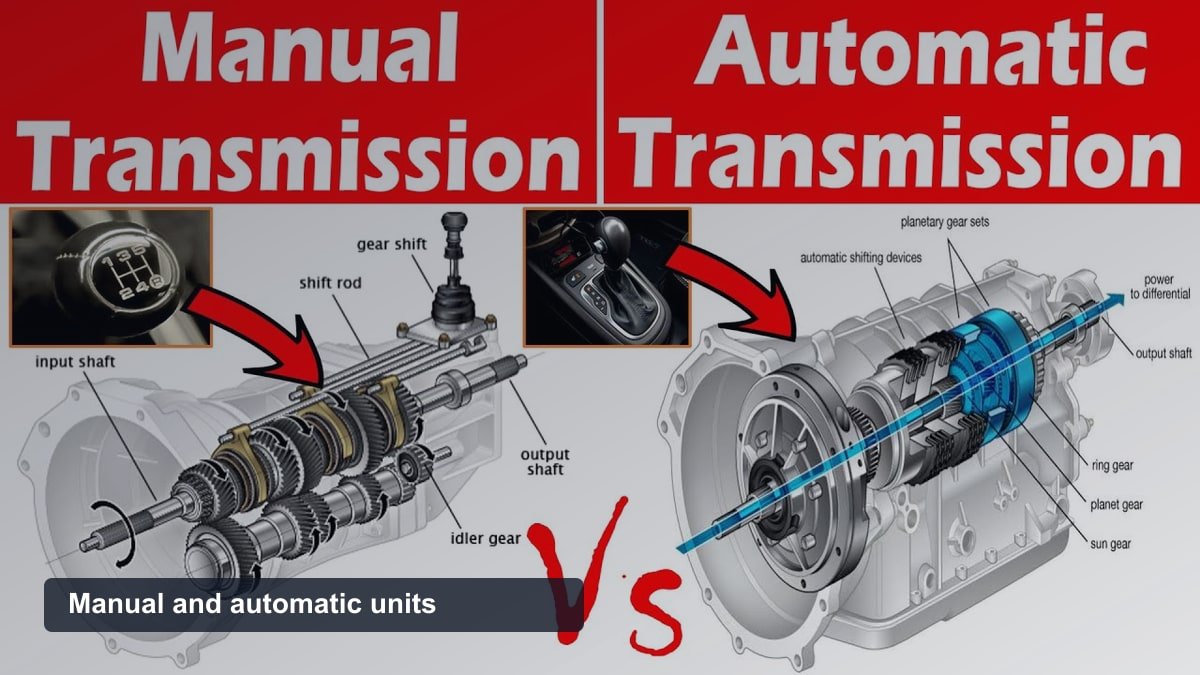
A manual gearbox is a transmission that requires the driver to select each gear directly, using a clutch pedal and a gear stick. Manual gearboxes remain standard in sports cars, like the Mazda MX-5, the Subaru BRZ, and the Porsche 911.
An automatic gearbox is a transmission that selects gears on its own, without driver input. Automatic gearboxes use 3 main designs: torque converter automatics, continuously variable transmissions (CVTs), and dual-clutch transmissions (DCTs). Torque converter automatics use fluid coupling to transfer engine power. CVTs use a belt and pulley system that adjusts the gear ratio continuously. DCTs use 2 separate clutches to pre-select the next gear for faster shifts.
How Does a Manual Gearbox Work?
A manual gearbox connects the engine to the wheels through a set of gears the driver selects directly. The driver presses the clutch pedal to disconnect the engine from the transmission. The driver then moves the gear stick to the required gear and releases the clutch to reconnect power. Most manual gearboxes offer 5 or 6 forward gears, plus reverse.
How Does an Automatic Gearbox Work?
An automatic gearbox uses a torque converter, a set of planetary gears, or a belt and pulley system to change gears without driver input. Sensors track engine speed, throttle position, and vehicle speed. A control unit reads this data and selects the correct gear. Modern automatic gearboxes commonly offer 8 to 10 forward gears, up from 3 or 4 gears in older designs.
What Are the Key Differences Between a Manual and an Automatic Gearbox?
The table below compares manual and automatic gearboxes across 6 factors: control method, fuel economy, repair cost, purchase price, market share, and typical use case. Figures reflect US data unless stated otherwise.
| Factor | Manual Gearbox | Automatic Gearbox |
|---|---|---|
| Control method | Driver operates clutch pedal and gear stick | Computer or hydraulics select gears |
| Average fuel economy (since model year 2016) | Slightly lower in most models | Slightly higher in most models |
| Transmission replacement cost | $1,500 to $4,000 | $2,500 to $6,000 or more |
| Purchase price | Typically $1,000 less than the equivalent automatic trim | Typically $1,000 more than the equivalent manual trim |
| New car market share (2023) | 1.7% | 98.3% |
| Typical use case | Sports cars, off-road vehicles | Daily commuting, stop-and-go traffic |
Which Gearbox Has Better Fuel Economy?
Automatic gearboxes have delivered better average fuel economy than manual gearboxes since model year 2016. Improvements in automatic transmission efficiency beginning that year reversed the fuel economy trend that had historically favored manual gearboxes. Manual gearboxes previously held the fuel economy advantage, but design improvements and added gears in automatic transmissions closed that gap.
In the Jeep Wrangler, for example, the 4-door V6 model returns 19 mpg in mixed driving with a 6-speed manual, compared to 20 mpg with an 8-speed automatic. More gears let the engine deliver the same power at a lower RPM, which reduces fuel use. Older automatic gearboxes relied more heavily on torque converters, which lose energy during power transfer compared to a manual gearbox’s direct mechanical link.
Driving style still affects the outcome. A manual gearbox can match or beat an automatic gearbox on fuel economy if the driver shifts early and avoids high RPM. [internal link: how to drive a manual gearbox efficiently]
Which Gearbox Costs Less to Repair?
Manual gearboxes cost less to repair and replace than automatic gearboxes. A manual transmission replacement typically costs $1,500 to $4,000 for parts, while an automatic transmission replacement typically costs $2,500 to $6,000 or more, since automatic units include more electronic and hydraulic components.
Labor adds to both totals. A manual transmission swap needs roughly 4 to 6 hours of labor, adding about $280 to $900 at typical shop rates, while automatic transmission swaps often need 8 to 12 hours because of the added electronics. Routine maintenance follows the same pattern: automatic transmission fluid changes cost about $100 to $200 on average, while manual transmission fluid changes cost roughly half that amount.
Which Gearbox Lasts Longer?
Manual gearboxes and traditional automatic gearboxes typically last longer than CVTs, when properly maintained. A well-maintained gearbox of any type typically lasts 150,000 to 200,000 miles, or roughly 7 to 15 years of service. Manual gearboxes frequently reach 150,000 to 250,000 miles or more. Traditional geared automatics often reach 150,000 to 200,000 miles. CVTs commonly fall short of both, at 100,000 to 180,000 miles, and dual-clutch gearboxes typically land between 120,000 and 200,000 miles.
Clutch wear is the main exception for manual gearboxes. The clutch is a separate wear item and often needs replacement before the rest of the gearbox does. [internal link: signs your clutch needs replacing]
For technical background, see manual transmission overview.
Does a Manual Gearbox Feel More Engaging to Drive?
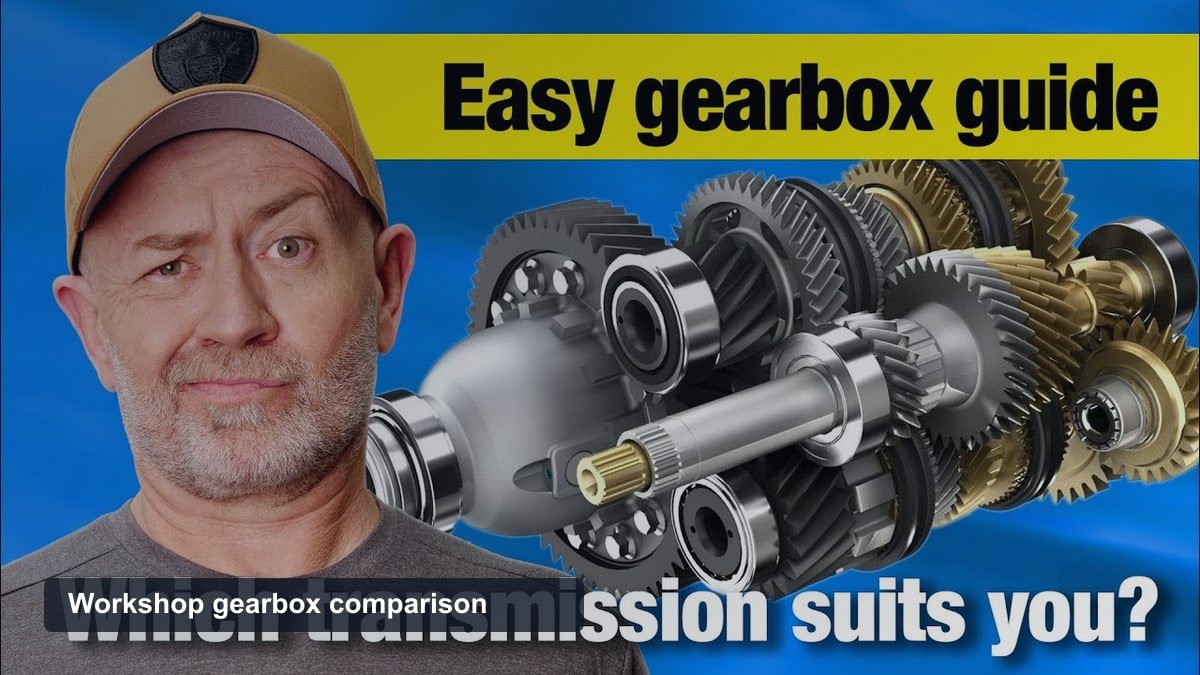
A manual gearbox gives the driver direct control over gear changes, clutch engagement, and engine braking. Many drivers describe this direct control as more engaging, since the driver actively participates in each gear change. An automatic gearbox removes these steps, which lowers driver workload but also reduces the direct feedback some drivers prefer.
Why Are Manual Gearboxes Becoming Less Common?
Manual gearboxes made up 1.7% of new vehicle sales in the US in 2023, down from about 35% in the early 1980s. That share stood at just under 35% of new vehicles as recently as 1980, and it has declined steadily since. Used manual vehicle sales fell even further, down 89.5% since 1995, according to CarMax data. The 1.7% figure also marks a slight recovery from a low of 0.9% in 2021 and 1.2% in 2022.
Heavier traffic makes constant clutch use less appealing for daily commuters, and the price gap between manual and automatic trims has narrowed in recent years. Electric vehicles add to the decline, since electric motors deliver usable torque across a wide RPM range and do not need multiple gears.
Manual gearboxes remain far more common outside the US. Manual transmissions accounted for about 50% of new car sales across the European Union and the UK in 2020.
Which Gearbox Suits Learning Drivers and Daily Commuting Best?
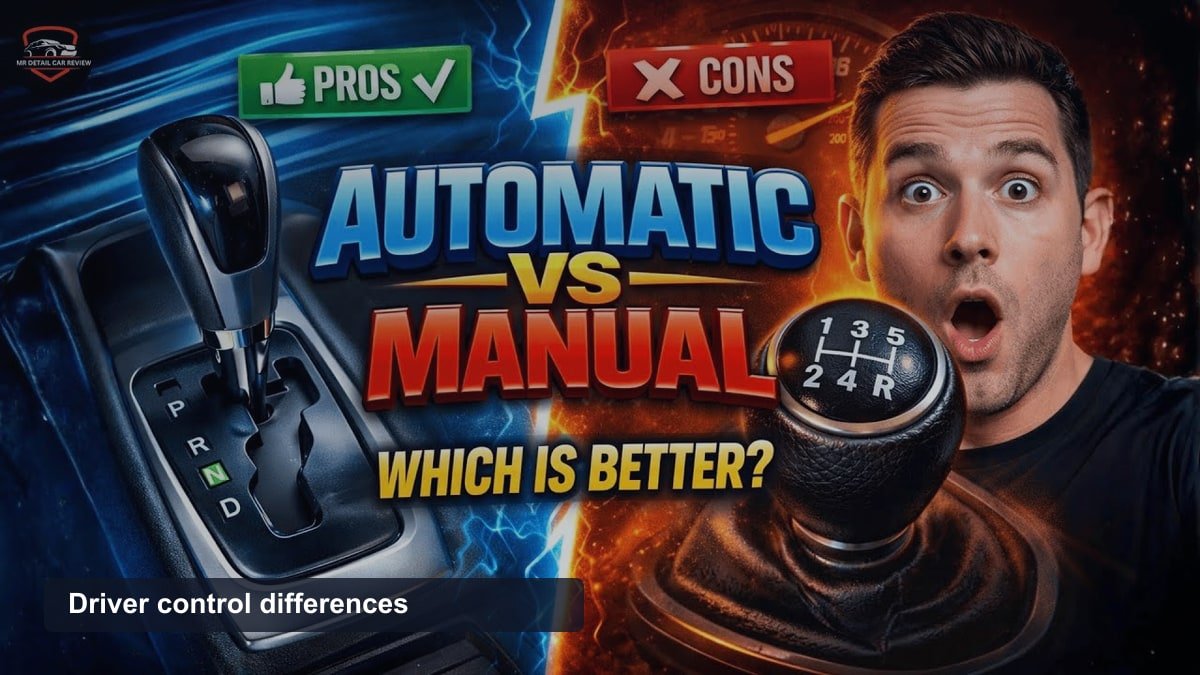
Automatic gearboxes suit learning drivers and daily commuters because they remove the clutch and gear selection steps. New drivers can focus on steering, braking, and road awareness instead of coordinating 3 separate actions during every gear change. Automatic gearboxes also tend to have faster response times than manual gearboxes, which contributes to their reputation for safety and reliability.
Manual gearboxes suit drivers who prioritize control over convenience. A manual gearbox lets the driver choose the exact gear for towing, off-road terrain, or engine braking on steep descents.
Which Gearbox Type Should You Choose?
Drivers who prioritize lower repair costs, direct control, and gearbox longevity typically choose a manual gearbox. Drivers who prioritize convenience, fuel economy, and faster response times typically choose an automatic gearbox.
Vehicle type also narrows the choice. Sports cars and off-road vehicles still offer manual options at a higher rate than sedans and SUVs. Automatic gearboxes remain the standard configuration across 98.3% of new US vehicles, which limits manual availability regardless of preference.

Jimmy O’Riley is a UK-based mobile mechanic and automotive diagnostic specialist operating out of Bedfordshire, England. He founded O’Rileys Autos in 2011 with a focus on bringing professional vehicle repairs directly to customers at their homes and workplaces.
With over a decade of hands-on experience, Jimmy specializes in ABS diagnostics, brake system repairs, diesel emissions faults, and DPF cleaning. He is recognized across the UK and Ireland as one of the leading specialists in vehicle braking and emissions systems, earning the title “The DPF King” from his growing online audience.
Jimmy documents real-world automotive repairs through his YouTube channel, which has accumulated over 97,000 subscribers and nearly 2,000 published repair videos. His content covers ABS fault diagnosis, wheel speed sensor testing, brake module replacement, and roadside repair procedures across a wide range of vehicle makes and models.
He is active on YouTube, Instagram, and Facebook under O’Rileys Autos.