
What Is a Cycle Gearbox? Definition, Types, and 6 Key Benefits
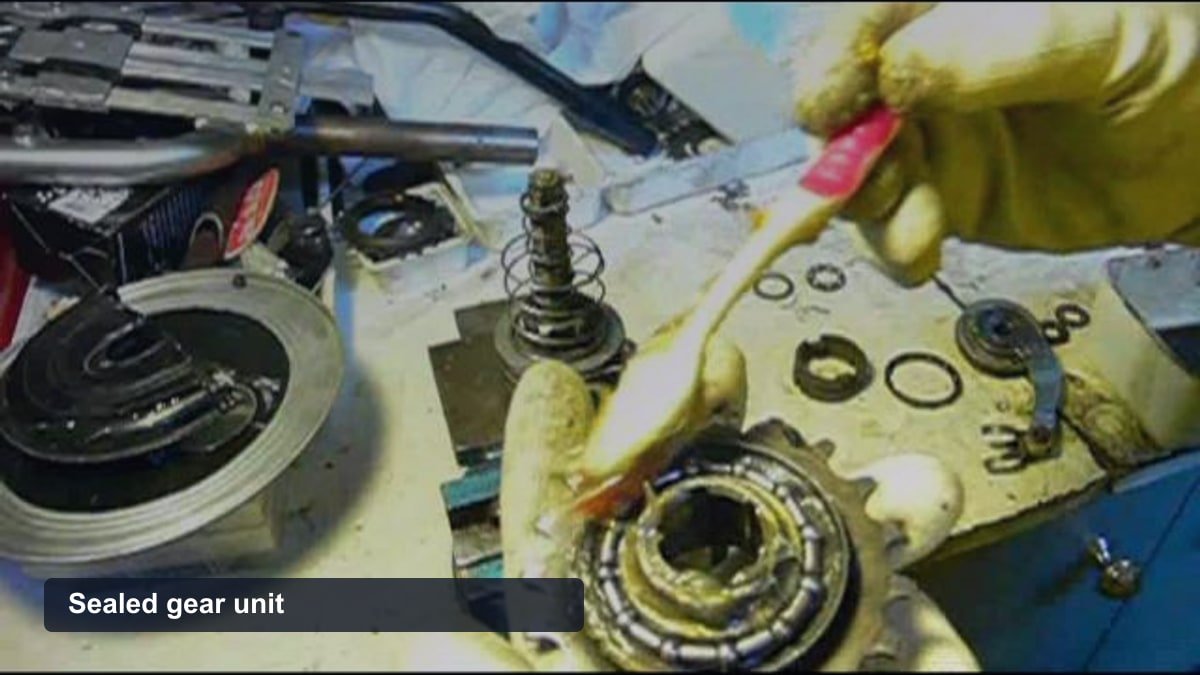
A cycle gearbox is a sealed, oil-bathed transmission unit that shifts gears through enclosed cogs instead of an external derailleur and cassette. It usually mounts at the bottom bracket, where the pedals meet the frame, though some designs sit inside the rear hub instead.
Manufacturers including Pinion, Effigear, Rohloff, and Kindernay build cycle gearboxes for mountain bikes, touring bikes, cargo bikes, and e-bikes, with gear ranges from 295% to 636% depending on the model.
How Does a Cycle Gearbox Work?
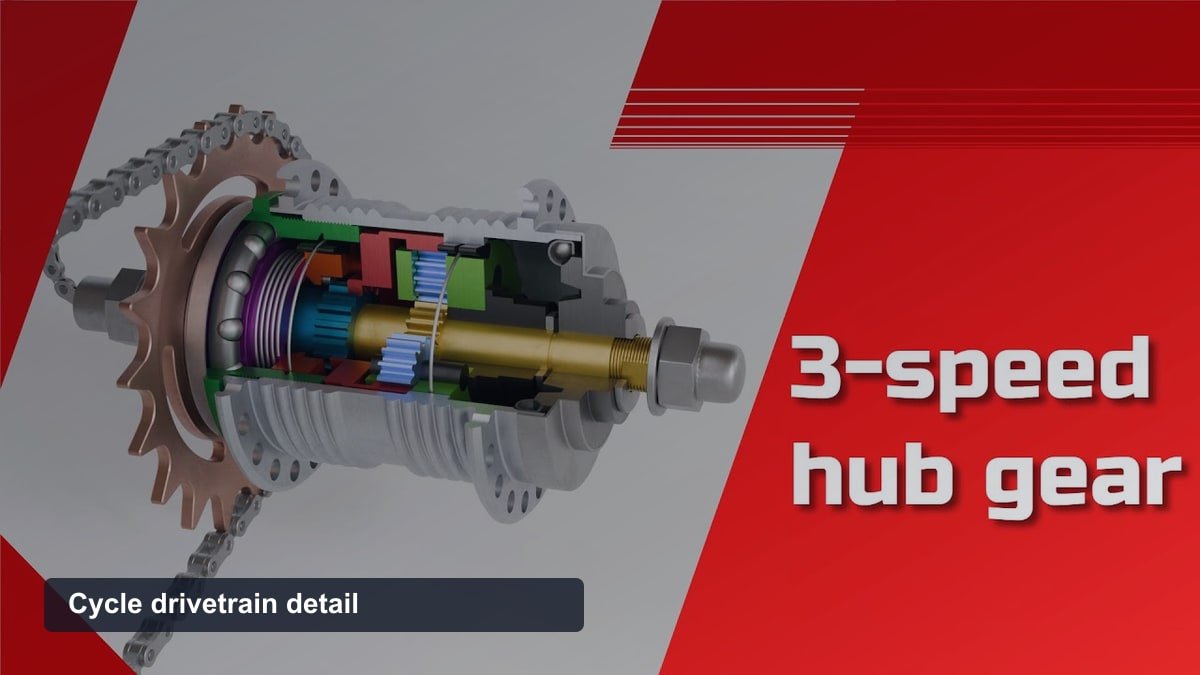
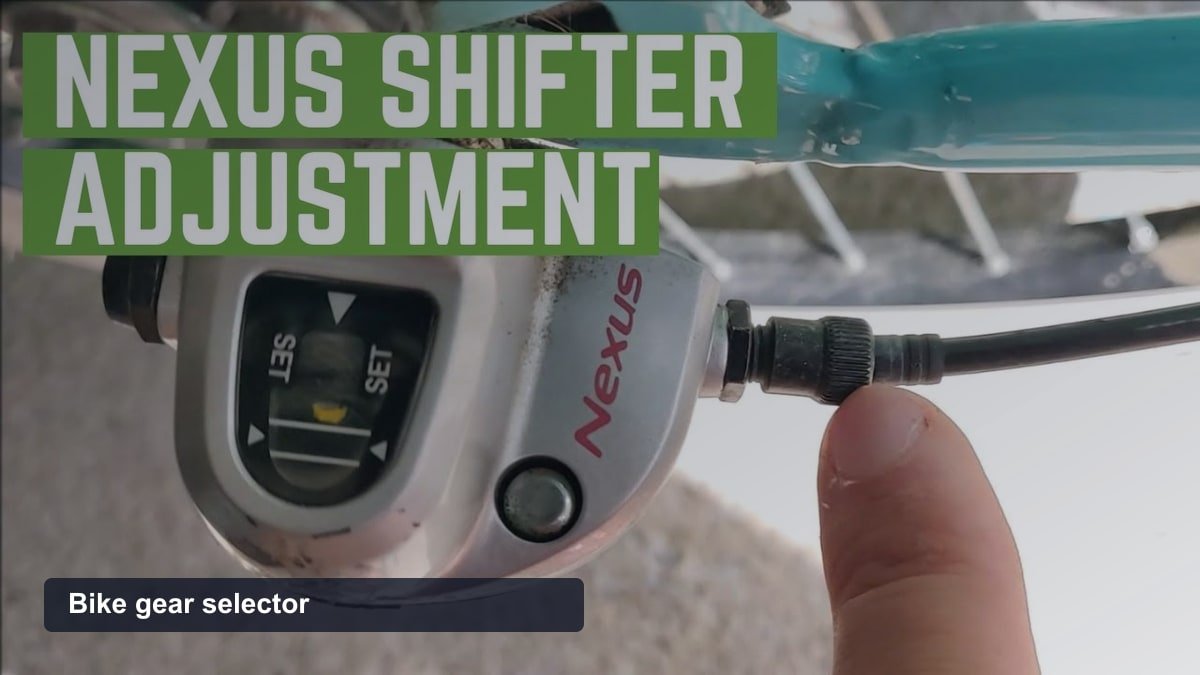
A cycle gearbox shifts gears by locking different cog pairs together inside a sealed casing, using a twist grip or trigger shifter connected to an internal camshaft.
Inside the housing, two gear sub-units connect in sequence. The first sub-unit sets a base ratio, and the second sub-unit multiplies it to produce the full gear range. Pinion’s C1.12 and P1.12 gearboxes use this layout to create 12 gears with even 17.7% steps between each one, built from about 140 individual components. Pinion, founded in 2008 by two former Porsche transmission engineers, pioneered this bottom-bracket layout. Rohloff’s Speedhub 500/14 applies a similar two-stage principle inside the rear hub, producing 14 gears with even 13.6% steps. Turning the shifter rotates a camshaft, which engages pawls that lock the selected gear pair together. Riders can shift one gear at a time, skip several gears in one motion, or run through the full range at once, while the bike is moving or stationary.
What Parts Make Up a Cycle Gearbox?
A cycle gearbox contains 5 main parts.
- Sealed housing: an aluminum or magnesium casing that keeps oil in and dirt out.
- Gear sets: paired cogs arranged in two sub-units that create each gear ratio.
- Shift mechanism: a camshaft and pawls that lock the selected gear pair together.
- Oil bath: 25 to 60 milliliters of gear oil, depending on the model, that lubricates every moving part.
- Output sprocket: the single point where a chain or belt leaves the gearbox to drive the rear wheel.
What Are the Main Types of Cycle Gearboxes?
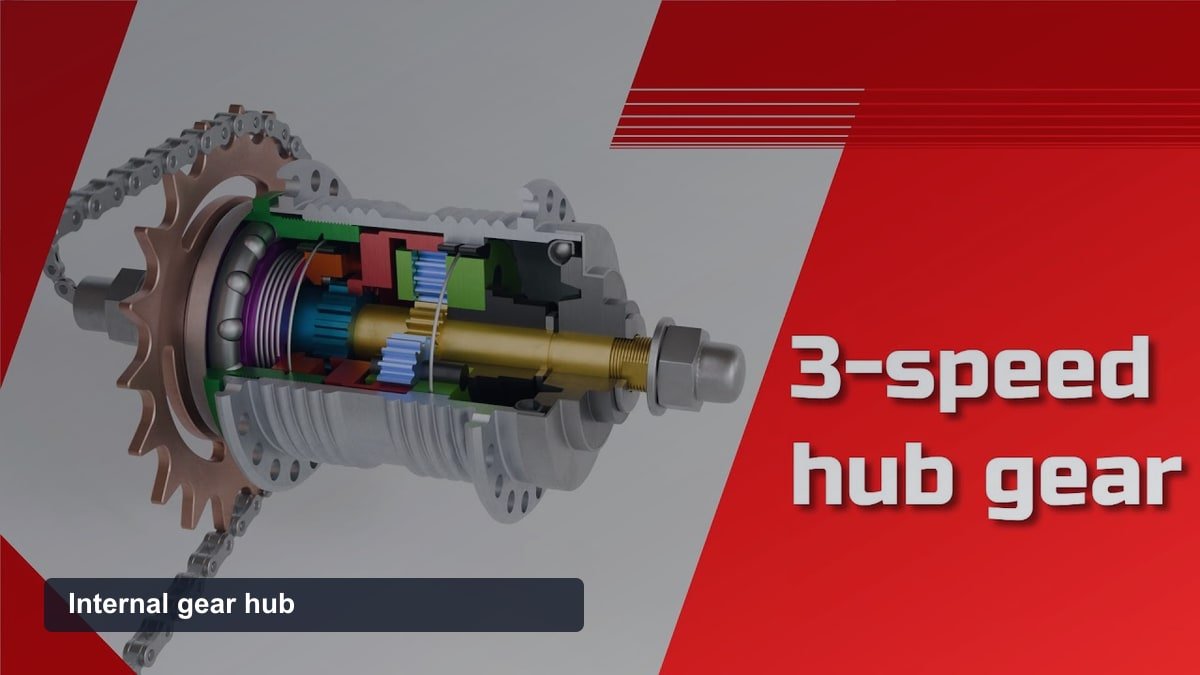
Cycle gearboxes fall into two main mounting types: bottom-bracket gearboxes built into the frame, and internal gear hubs built into the rear wheel.
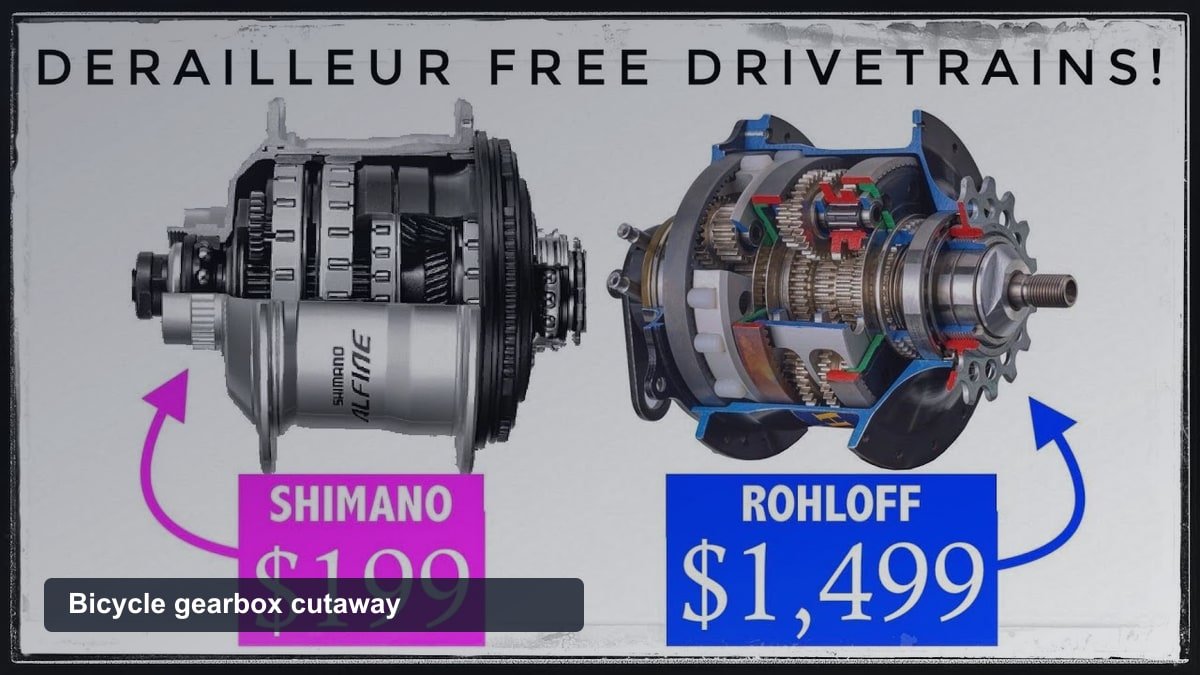
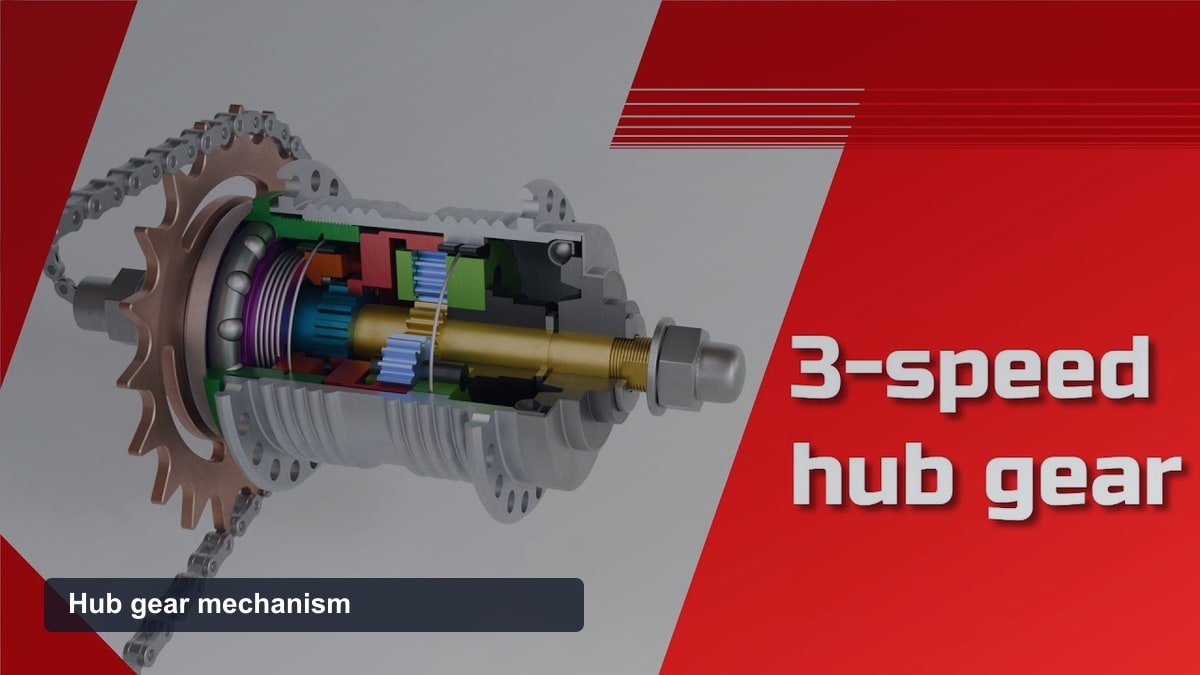
Bottom-bracket gearboxes, such as Pinion and Effigear, replace the crankset area and connect to the rear wheel through a single sprocket and a chain or belt. Internal gear hubs, such as the Rohloff Speedhub and the Kindernay XIV, keep a standard crankset and chainring, and enclose the gearing inside the rear hub shell instead. Both types remove the external derailleur and cassette, but they place weight differently. A bottom-bracket gearbox centralizes mass near the pedals, while a gear hub adds unsprung weight to the rear wheel. Kindernay also builds a lighter VII hub, with a 428% range at 1,200 grams, for riders who prioritize reduced weight over maximum range.
A third, newer category pairs a gearbox with an electric motor inside one housing. The Pinion MGU and the Valeo and Effigear Smart e-Bike System fall into this group. The Valeo and Effigear unit combines 7 gears, a 450% range, and 130 newton-meters of torque in a 4.9 kilogram motor and gearbox package.
The table below compares five established cycle gearbox models by mounting type, speed count, gear range, and country of origin.
| Gearbox | Mounting Type | Speeds | Gear Range | Country of Origin |
|---|---|---|---|---|
| Pinion C1.12 | Bottom bracket | 12 | 600% | Germany |
| Pinion P1.18 | Bottom bracket | 18 | 636% | Germany |
| Effigear Mimic | Bottom bracket | 9 | 469% | France |
| Rohloff Speedhub 500/14 | Rear hub | 14 | 526% | Germany |
| Kindernay XIV | Rear hub | 14 | 543% | Norway |
What Are the Benefits of a Cycle Gearbox?
A cycle gearbox offers 6 main benefits over a standard derailleur drivetrain.
- Protects the drivetrain from mud, dust, and impact through a fully sealed, oil-bathed housing.
- Centralizes weight near the bottom bracket, improving handling on mountain and touring bikes.
- Delivers evenly spaced gear steps, unlike the uneven jumps common on wide-range derailleur cassettes.
- Extends chain and sprocket life by keeping the final drive running in a straight line.
- Allows shifting while the bike is stationary, including multiple gears in a single motion.
- Reduces maintenance to a single oil change every 5,000 to 10,000 kilometers, depending on the brand.
What Are the Drawbacks of a Cycle Gearbox?
A cycle gearbox carries 4 main drawbacks: added weight, higher cost, a small efficiency loss, and limited frame compatibility.
- Added weight: a Pinion gearbox unit alone weighs 1,800 to 2,700 grams, and a complete gearbox bike typically carries 1.5 to 2 kilograms more than an equivalent derailleur build.
- Higher cost: complete gearbox bikes start around 3,000 to 4,125 euros and reach 12,499 euros for race-level downhill models.
- A small efficiency loss: a 2015 mechanical test by researcher Andreas Oehler measured Pinion gearboxes at 90.5% average efficiency, compared with 94.5% for the Rohloff Speedhub and roughly 95% for a well-adjusted derailleur. Field testing by CyclingAbout found this gap adds about 4 minutes and 31 seconds per 100 kilometers, a 2.1% difference, and the gap narrows further in wet or muddy conditions.
- Limited frame compatibility: a gearbox requires a frame built with a matching mounting plate, so it cannot be retrofitted onto a standard derailleur frame.
How Does a Cycle Gearbox Compare to a Derailleur?
A cycle gearbox trades weight and cost for sealed protection and consistent shifting, while a derailleur trades some durability for lower weight and a lower price.
- Weight: a cycle gearbox adds 1.5 to 2 kilograms; a derailleur groupset stays lighter.
- Exposure: a cycle gearbox seals the gears inside oil; a derailleur hangs exposed near the rear wheel.
- Maintenance: a cycle gearbox needs an oil change every 5,000 to 10,000 kilometers; a derailleur needs regular cleaning, lubrication, and periodic chain and cassette replacement.
- Shifting: a cycle gearbox provides even gear steps and shifts best under light pedaling or while stopped; a derailleur shifts under full load with less consistent steps across a wide-range cassette.
- Noise: a cycle gearbox paired with a belt drive runs near silently; a chain-driven derailleur produces more drivetrain noise and chain slap.
- Gear range: the widest cycle gearboxes reach 636%; the widest derailleur cassettes reach roughly 500% to 620%.
Which Bikes Use a Cycle Gearbox?
Cycle gearboxes appear on touring bikes, mountain bikes, gravel bikes, cargo bikes, and downhill race bikes from more than 100 bicycle manufacturers worldwide.
- Priority 600: a belt-driven commuter and gravel bike built around the Pinion 12-speed gearbox, paired with a Gates Carbon Drive belt instead of a chain.
- Nicolai Argon GX Pinion: a gravel bike with a torsionally stiff aluminum frame, priced from 3,349 euros for the frame alone.
- Zerode Shadow: a New Zealand-built carbon enduro and trail bike with in-frame storage, priced from 7,335 to 8,295 US dollars.
- Specialized S-Works Demo 11: a 2026 downhill race bike built with SRAM around a jackshaft-based system called HighGear, priced at 11,000 US dollars complete.
- Cavalerie: a French downhill and enduro brand built around the Effigear gearbox, with a freewheel built into the gearbox itself.
Pinion remains the only gearbox brand raced at UCI Downhill World Cup level. Teams including Gamux, AON Racing, Continental Atherton Racing, Intense Factory Racing, and MS Racing competed on Pinion-equipped bikes through the 2025 season.
How Much Does a Cycle Gearbox Cost?
A complete cycle gearbox bike costs between 3,000 and 12,499 euros, depending on the frame material, gearbox model, and intended use.
Entry-level touring and gravel bikes with a Pinion gearbox, such as the Nicolai Argon GX Pinion, start around 3,349 to 4,125 euros. Carbon enduro and trail bikes, such as the Zerode Shadow, range from 7,335 to 8,295 US dollars complete, or 5,415 to 5,620 US dollars for a frame alone. Race-level downhill bikes with an integrated gearbox, such as the Specialized S-Works Demo 11, reach 11,000 to 12,499 US dollars complete, or 6,500 to 7,500 for a frameset alone. Running costs stay low after purchase, since Effigear’s oil change costs about 10 euros and covers a 5,000 kilometer service interval.
For technical background, see bicycle gearing overview.
How Do You Maintain a Cycle Gearbox?
Maintaining a cycle gearbox involves a periodic oil change, regular care of the external chain or belt, and professional service for any internal repair.
- Check the service interval for the specific gearbox model. Pinion recommends an oil change every 10,000 kilometers or once a year, while Effigear recommends every 5,000 kilometers.
- Drain and refill the gearbox with the manufacturer’s specified oil volume, typically 60 milliliters for a Pinion unit and 25 milliliters for a Rohloff hub.
- Clean and lubricate the external chain or belt separately, since the gearbox’s seal protects the internal gears, not the final drive.
- Store or transport the bike upright rather than on its side, since tilting a hub-based gearbox can let oil pass its seals.
- Return the sealed unit to an authorized dealer for any internal repair, since the gearing inside is not designed for home disassembly.
Is Cycle Gearbox Technology Growing in 2026?
Cycle gearbox technology expanded in 2026, led by Specialized’s first production gearbox-equipped frame and new patent filings from Shimano.
Specialized unveiled the S-Works Demo 11 downhill bike in April 2026, built around a jackshaft-based system co-developed with SRAM and named HighGear. Shimano filed a separate gearbox patent covering both e-bike and non-e-bike versions, with gear ratio ranges between 250% and 444%, though the design had not reached production as of mid-2026. Industry coverage from CyclingAbout also identified new gearbox development from Praxis, RatioX, Fox, and WRP during 2026, alongside established brands Pinion and Effigear.
What Do People Also Ask About Cycle Gearboxes?
Is a Cycle Gearbox Better Than a Derailleur?
A cycle gearbox offers better sealing and lower maintenance, while a derailleur offers lower weight and a lower purchase price.
How Long Does a Cycle Gearbox Last?
A well-maintained Pinion gearbox commonly exceeds 20,000 kilometers between mechanical failures, based on long-term rider testing published in 2026.
Can a Cycle Gearbox Be Added to Any Bike?
No. A cycle gearbox requires a frame built with a matching mounting plate, so it cannot be retrofitted onto a standard derailleur frame.
Is a Cycle Gearbox Worth It?
A cycle gearbox suits riders who prioritize low maintenance and all-weather reliability over minimum weight and price. A derailleur suits riders who prioritize light weight and a lower purchase cost.
Touring cyclists, cargo bike operators, and e-bike commuters gain the most from the sealed protection and long service intervals a cycle gearbox provides. Racers focused on minimum weight, and riders on a limited budget, typically find a derailleur groupset better matched to their priorities. Gearbox adoption continues to spread from touring bikes into mountain bikes and, as of 2026, downhill race bikes.

Jimmy O’Riley is a UK-based mobile mechanic and automotive diagnostic specialist operating out of Bedfordshire, England. He founded O’Rileys Autos in 2011 with a focus on bringing professional vehicle repairs directly to customers at their homes and workplaces.
With over a decade of hands-on experience, Jimmy specializes in ABS diagnostics, brake system repairs, diesel emissions faults, and DPF cleaning. He is recognized across the UK and Ireland as one of the leading specialists in vehicle braking and emissions systems, earning the title “The DPF King” from his growing online audience.
Jimmy documents real-world automotive repairs through his YouTube channel, which has accumulated over 97,000 subscribers and nearly 2,000 published repair videos. His content covers ABS fault diagnosis, wheel speed sensor testing, brake module replacement, and roadside repair procedures across a wide range of vehicle makes and models.
He is active on YouTube, Instagram, and Facebook under O’Rileys Autos.