
To reset an ABS brake light, use an OBD-II scanner to clear stored fault codes after repairing the underlying fault. The ABS light returns if the fault is not resolved first. 4 reset methods exist: OBD-II scanner, battery disconnection, drive cycle, and fuse removal.
—
NHTSA explains related safety context in NHTSA vehicle safety information.
What Does an ABS Brake Light Indicate?
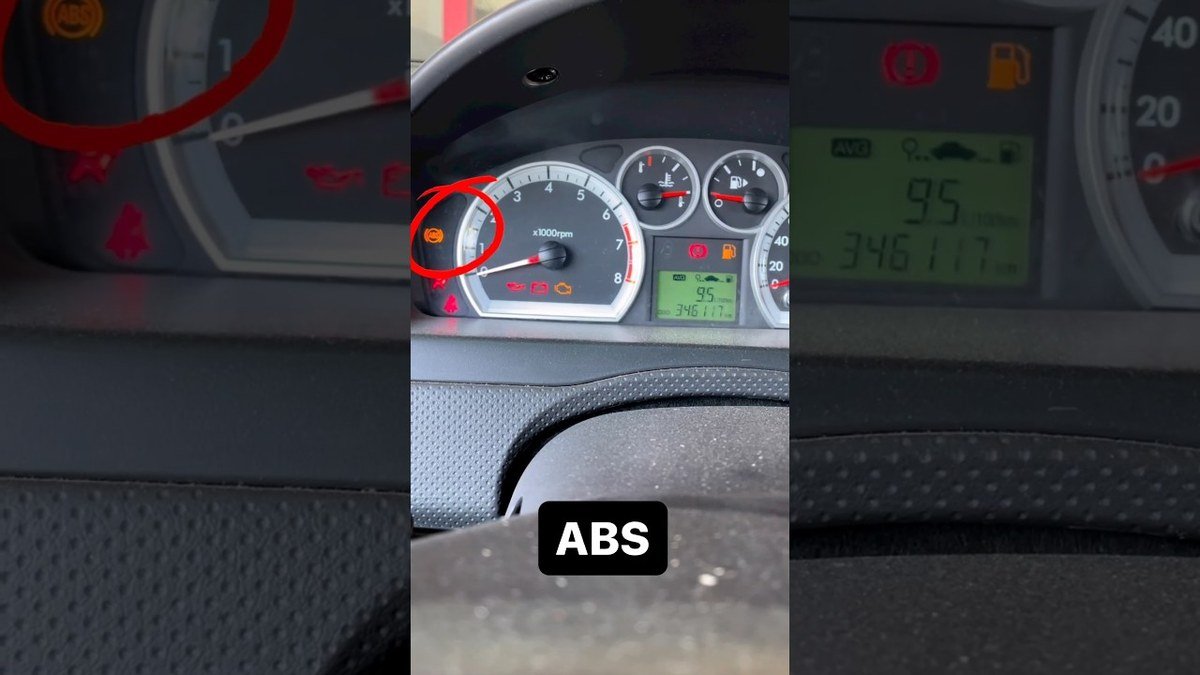
The ABS brake light indicates a fault detected by the Anti-lock Braking System electronic control unit (ECU). The ECU monitors wheel speed sensors, hydraulic valves, and internal circuits. It activates the warning light when a fault code is stored.
Bendix ABS Blink Codes: Full Code List, How to Read Them, and 9 Common Faults
Freightliner ABS Code 136: What It Means, Common SID/FMI Faults, and How to Repair
The ABS brake light does not indicate a failure of standard braking. It indicates that the anti-lock function is disabled until the fault is resolved.
What Are the Common Causes of an ABS Brake Light?
The ABS brake light has 6 common causes:
- Faulty or dirty wheel speed sensor
- Damaged wheel speed sensor wiring or connector
- Worn or missing ABS tone ring teeth
- Low brake fluid level in the master cylinder reservoir
- Blown ABS fuse
- Failed ABS control module
Wheel speed sensor faults are the most frequent cause. The National Highway Traffic Safety Administration (NHTSA) identifies sensor-related faults as the leading source of ABS warning light activations across passenger and commercial vehicles.
—
Does Resetting the ABS Brake Light Fix the Underlying Problem?
Resetting the ABS brake light does not fix the underlying problem. It clears the stored fault code from the ECU memory. The light returns within 1 to 3 drive cycles if the fault remains active.
A permanent reset requires identifying and repairing the root cause before clearing the code.
—
How Do You Reset an ABS Brake Light?
The ABS brake light resets through 4 methods. The correct method depends on the tools available and whether the root fault has been repaired.
Method 1: How Do You Reset an ABS Light Using an OBD-II Scanner?
An OBD-II scanner is the most reliable method for resetting an ABS brake light. It clears stored fault codes directly from the ABS ECU memory.
Follow these 5 steps:
- Plug the OBD-II scanner into the diagnostic port under the dashboard on the driver's side.
- Turn the ignition to the ON position. Do not start the engine.
- Select the ABS system from the scanner's vehicle menu.
- Navigate to "Fault Codes" or "DTC" and select "Clear Codes."
- Turn the ignition off, then restart the engine to confirm the light is off.
Note: Not all OBD-II scanners access the ABS module. Use a scanner with full system coverage. Compatible tools include the Autel MaxiCOM MK808, Launch X431, and the BlueDriver Pro.
Method 2: How Do You Reset an ABS Light by Disconnecting the Battery?
Battery disconnection resets the ABS light by cutting power to the ECU and clearing its volatile memory. This method works on some older vehicles but is not reliable on modern systems with non-volatile ECU memory.
Follow these 4 steps:
- Turn the ignition off and remove the key.
- Disconnect the negative battery terminal using a 10mm wrench.
- Wait 15 minutes to allow the ECU capacitors to fully discharge.
- Reconnect the terminal and start the engine.
The ABS light returns within 1 drive cycle if the fault is still active.
Method 3: How Do You Reset an ABS Light Through a Drive Cycle?
A drive cycle resets the ABS light automatically when the ECU confirms all monitored systems are operating within normal parameters. This applies to intermittent faults that resolved on their own, such as a temporarily contaminated wheel speed sensor.
The drive cycle requires:
- Driving above 25 mph for at least 2 minutes
- Performing 1 moderate brake application from 25 mph to a complete stop
- Repeating this sequence across 3 consecutive drive cycles
The ECU clears the fault code automatically after 3 successful cycles with no fault detected.
Method 4: How Do You Reset an ABS Light by Removing the ABS Fuse?
Fuse removal resets the ABS light on vehicles where the ABS ECU stores fault codes in volatile memory only. This method is vehicle-specific and not universally effective.
Follow these 4 steps:
- Locate the fuse box using the vehicle's owner's manual. ABS fuses are located in the underhood fuse box on most vehicles.
- Identify the ABS fuse. It is typically rated at 20A to 40A and labeled "ABS" or "Anti-Lock."
- Remove the fuse and wait 60 seconds.
- Reinsert the fuse and start the engine.
If the light returns, perform a full OBD-II scan to retrieve and address the active fault code.
—
What Tools Are Required to Reset an ABS Brake Light?
| Method | Tool Required | Estimated Cost |
|---|---|---|
| OBD-II scanner | Full system scan tool | $80 to $350 |
| Battery disconnection | 10mm wrench | $5 to $15 |
| Drive cycle | No tools required | $0 |
| Fuse removal | Fuse puller or needle-nose pliers | $5 to $10 |
The OBD-II scanner method provides the most accurate reset confirmation and fault code documentation.
—
How Do You Know If the ABS Brake Light Reset Was Successful?
The ABS brake light reset is successful when 3 conditions are met:
- The ABS warning light is off after restarting the engine.
- No new fault codes are stored when the OBD-II scanner is reconnected.
- The ABS light remains off after 3 consecutive drive cycles that include braking from above 25 mph.
A light that returns within the first drive cycle indicates an active fault that requires repair before the reset will hold.
—
What Should You Do If the ABS Brake Light Returns After Resetting?
If the ABS brake light returns after resetting, the underlying fault is still present. Perform these 4 diagnostic steps:
- Retrieve the fault code with an OBD-II scanner to identify the affected system area.
- Inspect the wheel speed sensors and wiring at the flagged position.
- Check the brake fluid level in the master cylinder reservoir.
- Test the ABS fuse with a multimeter for continuity.
Common repairs that resolve a recurring ABS brake light include:
- Cleaning a dirty wheel speed sensor with electronic contact cleaner
- Replacing a damaged wheel speed sensor ($20 to $100 per sensor)
- Repairing corroded sensor wiring or connector terminals
- Refilling brake fluid to the MAX fill line
- Replacing a blown ABS fuse ($1 to $5)
- Replacing or rebuilding the ABS control module ($150 to $800)
—
What Is the Most Reliable Method to Permanently Reset an ABS Brake Light?
The most reliable method to permanently reset an ABS brake light is to repair the root cause and clear the code with an OBD-II scanner. Temporary methods like battery disconnection and fuse removal do not address the stored fault.
The ECU reactivates the warning light within 1 to 3 drive cycles if the fault remains unresolved. Retrieve the specific fault code first. Repair the identified component. Then clear the code and verify across 3 complete drive cycles. This sequence produces a permanent reset.

Jimmy O’Riley is a UK-based mobile mechanic and automotive diagnostic specialist operating out of Bedfordshire, England. He founded O’Rileys Autos in 2011 with a focus on bringing professional vehicle repairs directly to customers at their homes and workplaces.
With over a decade of hands-on experience, Jimmy specializes in ABS diagnostics, brake system repairs, diesel emissions faults, and DPF cleaning. He is recognized across the UK and Ireland as one of the leading specialists in vehicle braking and emissions systems, earning the title “The DPF King” from his growing online audience.
Jimmy documents real-world automotive repairs through his YouTube channel, which has accumulated over 97,000 subscribers and nearly 2,000 published repair videos. His content covers ABS fault diagnosis, wheel speed sensor testing, brake module replacement, and roadside repair procedures across a wide range of vehicle makes and models.
He is active on YouTube, Instagram, and Facebook under O’Rileys Autos.