
What Are the Signs of a Faulty Gearbox?
The main signs of a faulty gearbox are difficulty shifting gears, grinding or whining noises, gears slipping out of position, a burning smell, fluid leaks, delayed engagement, and a dashboard warning light.
What Counts as a Faulty Gearbox?
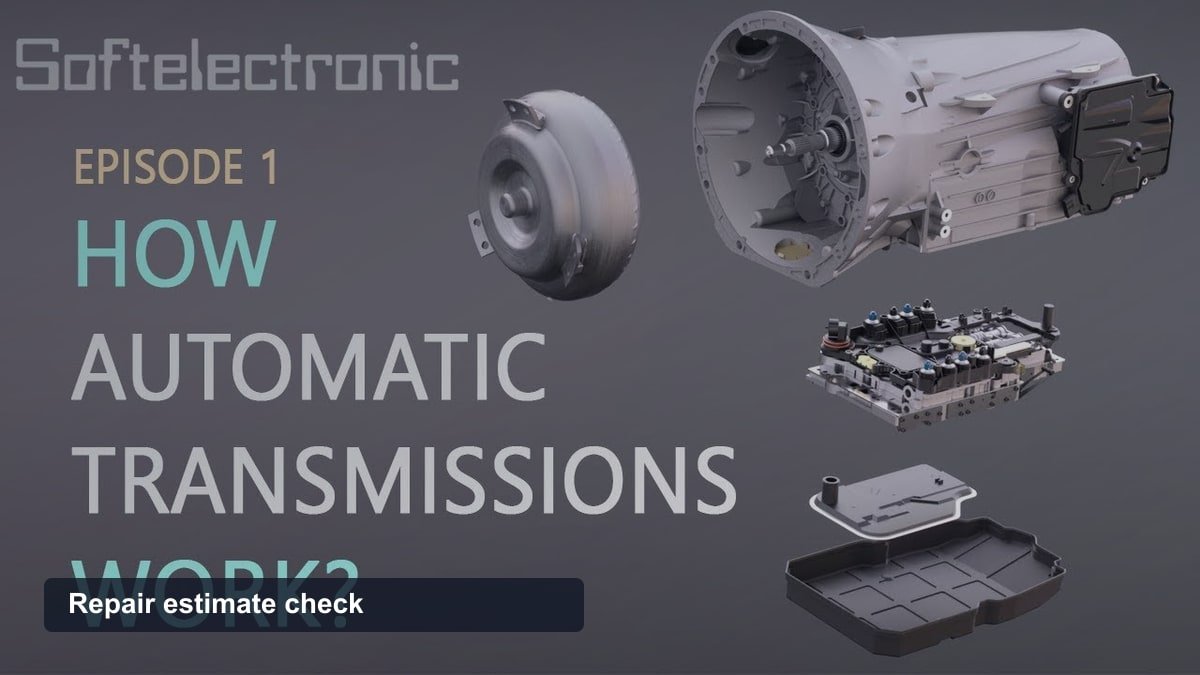
A faulty gearbox is one that no longer shifts gears smoothly, holds a gear reliably, or transfers engine power to the wheels the way it was designed to. Common causes include worn synchronizers, damaged gear teeth, worn clutch plates, low or degraded fluid, and failing electronic solenoids. A well-maintained gearbox typically lasts between 100,000 and 150,000 miles, so problems that appear earlier usually point to a specific fault rather than normal wear. Manual and automatic gearboxes tend to fail in different ways. A manual gearbox relies on a driver-operated clutch and mechanical synchronizers, so its faults often trace back to clutch wear or grinding gears. An automatic gearbox uses a torque converter, hydraulic clutches, and an electronic control module, so its faults more often trace back to fluid condition or a failing sensor.
Does the Car Struggle to Shift Gears?
Resistance or difficulty moving into gear is one of the clearest signs of gearbox trouble. In a manual gearbox, this often shows up as trouble finding first or reverse gear. In an automatic, it can appear as a hard or delayed shift between park, drive, and reverse. Low or incorrect transmission fluid, a blocked filter, a faulty sensor, or a failing solenoid can all cause this resistance.
Does the Gearbox Make Grinding, Whining, or Clunking Noises?
Unusual noises, especially in neutral, often point to worn bearings or damaged internal components. A whining or humming sound can indicate worn bearings, while grinding usually points to worn or damaged gear teeth. Manual gearboxes are more likely to grind, while automatics more often hesitate or shudder instead. These same noises can also come from a failing engine, driveshaft, or exhaust component, so isolating the exact source requires a mechanic’s inspection.
Do the Gears Slip Out of Position While Driving?
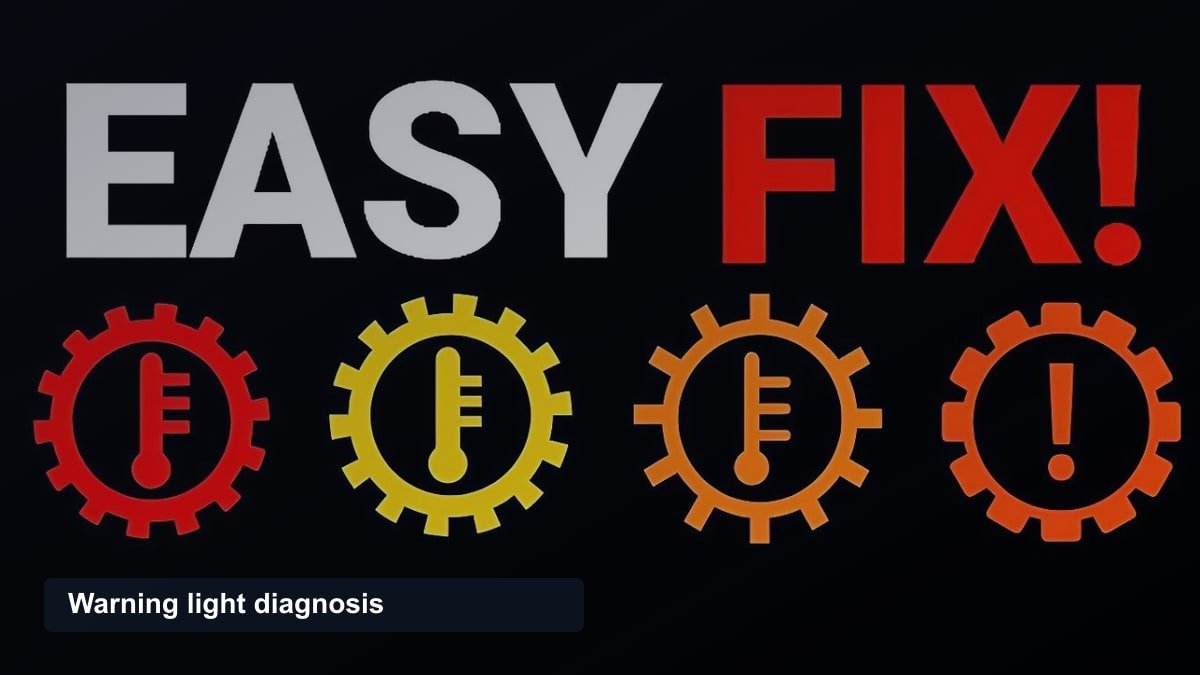
Gear slippage happens when the engine revs increase without a matching rise in speed, or when the car unexpectedly drops out of gear. This can cause a sudden loss of power, which is especially risky at higher speeds or while accelerating uphill. Worn gear teeth, a failing solenoid, or low transmission fluid are the most common causes.
Is There a Burning Smell From the Gearbox?
A rubber-like burning smell usually means the transmission fluid has overheated or broken down. Healthy fluid is typically red and translucent; fluid that has burned turns brown or black and loses its lubricating properties. A rumbling noise while the car is in neutral often accompanies this smell and points to the same underlying fluid problem.
Is Transmission Fluid Leaking Underneath the Car?
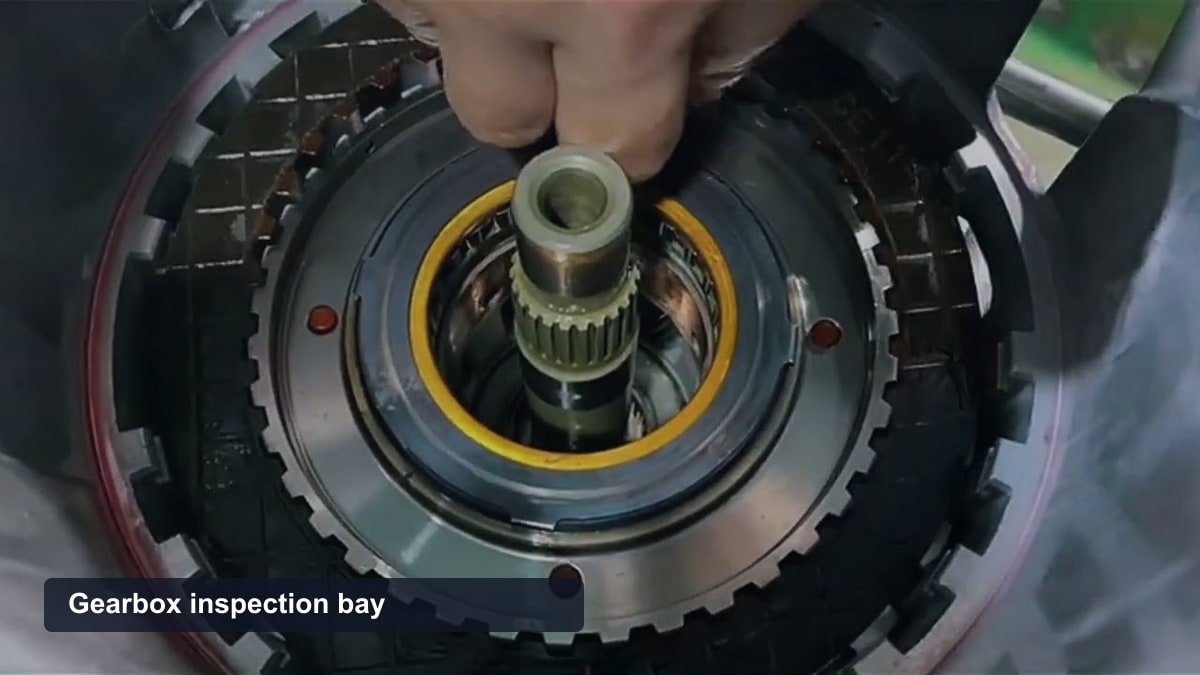
Reddish-brown fluid pooling under a parked car is a direct sign of a gearbox leak. Worn seals or a cracked gasket are the usual causes. Low fluid levels increase friction and heat inside the gearbox, which can turn a minor leak into major internal damage if it continues unnoticed.
Is the Transmission Fluid Low or Discolored?
Checking the transmission fluid directly, rather than waiting for a smell or a leak, catches many gearbox problems early. Healthy automatic transmission fluid is typically bright red and mostly clear; fluid that looks brown, black, or cloudy has broken down or become contaminated. A low fluid level on the dipstick often points to a leak elsewhere in the system, since fluid does not normally burn off or evaporate during regular use.
Is There a Delay When Shifting Into Gear?
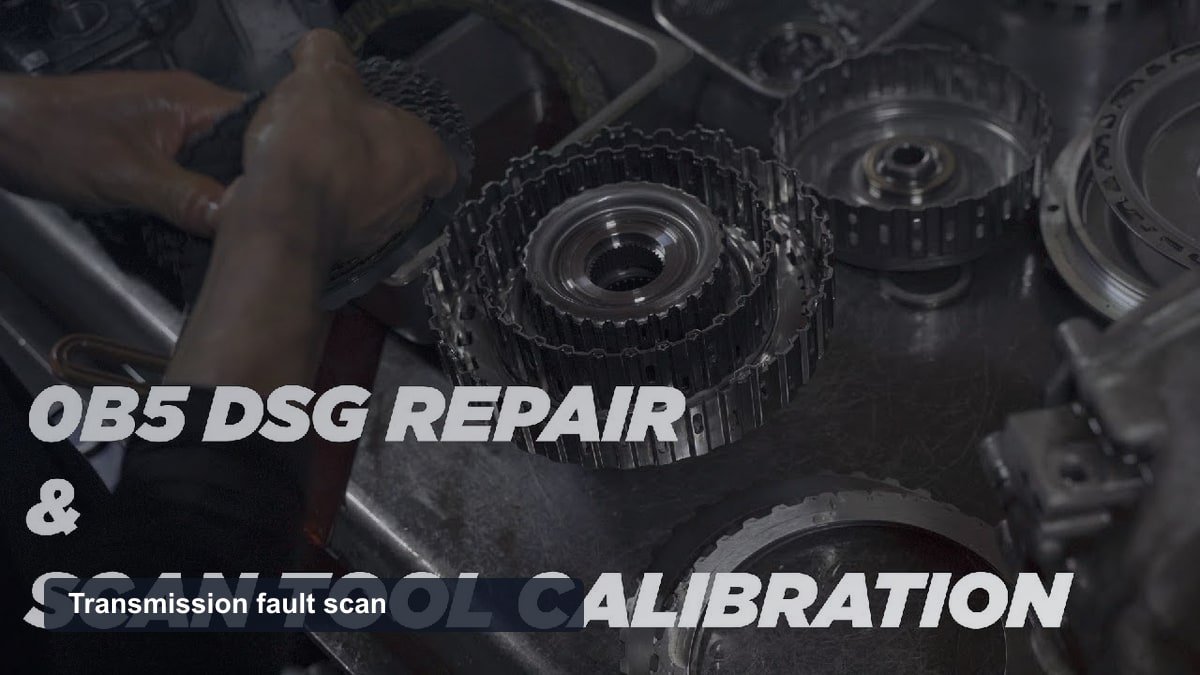
A noticeable pause between selecting a gear and the car actually responding signals a problem inside the gearbox. This delay can come from worn clutch plates, low fluid, or a failing control module. In an automatic, it often shows up as a pause when moving the shifter from park to drive.
Does the Car Vibrate or Shudder When Shifting?
Shaking, jerking, or trembling during a gear change points to worn or imbalanced internal components. Automatic gearboxes tend to hesitate, slip, or shudder during a shift, while jerking and clunking are more often caused by worn engine or transmission mounts rather than the gearbox itself.
Does the Dashboard Warning Light Turn On?
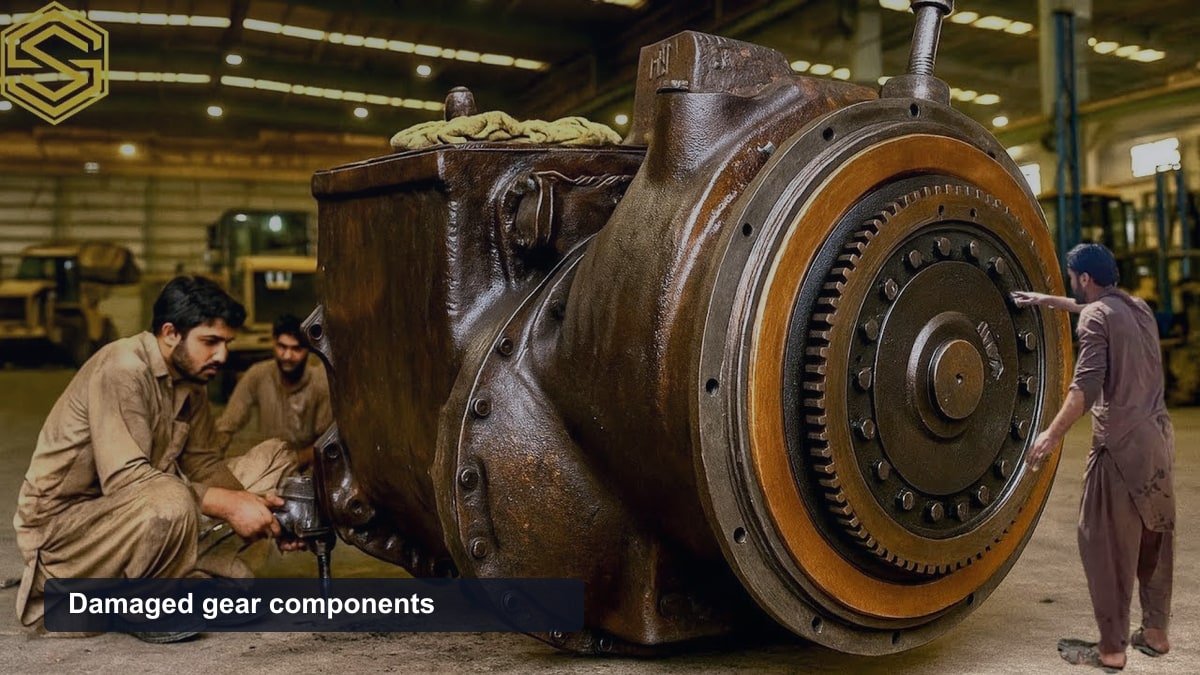
A check engine or transmission warning light can signal a fault detected by the gearbox’s electronic sensors or control module, most often in vehicles with an automatic transmission. This light often appears before other symptoms become noticeable, making it one of the earliest indicators of a developing fault.
For technical background, see mechanical transmission overview.
Is the Clutch Pedal Spongy, Stuck, or Slipping?
In manual gearboxes, a spongy, stuck, or slipping clutch pedal often points to clutch drag, where the clutch disc and flywheel fail to disengage fully. This can cause noisy gear changes and difficulty engaging first or reverse gear. A slipping clutch can also cause engine revs to rise without a matching increase in speed, similar to gear slippage in an automatic.
The table below summarizes each sign alongside its most common underlying cause.
| Sign | Common Cause |
|---|---|
| Difficulty shifting gears | Low or old fluid, worn synchronizers, failing solenoid |
| Grinding, whining, or clunking noise | Worn bearings or damaged gear teeth |
| Gears slipping out of position | Worn gear teeth, low fluid, failing solenoid |
| Burning smell | Overheated or degraded transmission fluid |
| Fluid leak under the car | Worn seals or a cracked gasket |
| Low or discolored fluid | Contamination, overheating, or a slow leak |
| Delayed gear engagement | Worn clutch plates, low fluid, failing control module |
| Vibration or shudder when shifting | Worn engine or transmission mounts, damaged internal parts |
| Dashboard warning light | Fault code from a transmission sensor or solenoid |
| Spongy or slipping clutch pedal | Clutch drag, worn clutch disc |
How Is a Faulty Gearbox Diagnosed?
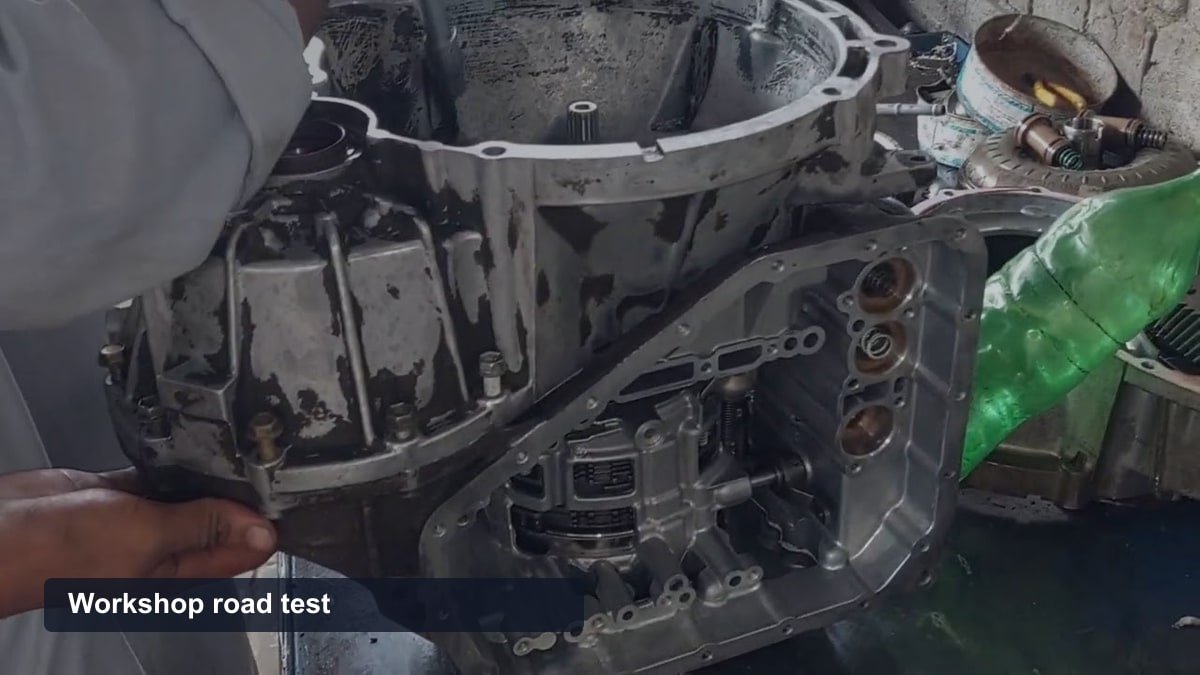
A mechanic typically starts by checking the transmission fluid level, color, and smell, since many of these signs trace back to the fluid itself. A diagnostic scan tool then reads any fault codes stored by the gearbox’s control module, which can point to a specific sensor, solenoid, or shift pattern. A road test follows, confirming which gears are affected, whether the problem appears under load, and whether it happens consistently or only when the gearbox is cold. Together, these checks usually identify whether the problem lies in the fluid, the clutch, the gear sets, or the electronic controls.
People Also Ask
Can You Still Drive With a Faulty Gearbox?
Driving with a faulty gearbox risks further damage, sudden power loss, and unsafe handling, especially at higher speeds.
How Long Do Gearboxes Usually Last?
A well-maintained gearbox typically lasts between 100,000 and 150,000 miles with regular servicing.
Is a Whining Noise Always a Gearbox Problem?
Not always. Whining can also come from a failing engine, driveshaft, or exhaust component, so isolating the exact source requires a mechanic’s inspection.
What Is the Difference Between a Gearbox and a Transmission?
Gearbox and transmission refer to the same component. Gearbox is more common in British English, while transmission is more common in American English.

Jimmy O’Riley is a UK-based mobile mechanic and automotive diagnostic specialist operating out of Bedfordshire, England. He founded O’Rileys Autos in 2011 with a focus on bringing professional vehicle repairs directly to customers at their homes and workplaces.
With over a decade of hands-on experience, Jimmy specializes in ABS diagnostics, brake system repairs, diesel emissions faults, and DPF cleaning. He is recognized across the UK and Ireland as one of the leading specialists in vehicle braking and emissions systems, earning the title “The DPF King” from his growing online audience.
Jimmy documents real-world automotive repairs through his YouTube channel, which has accumulated over 97,000 subscribers and nearly 2,000 published repair videos. His content covers ABS fault diagnosis, wheel speed sensor testing, brake module replacement, and roadside repair procedures across a wide range of vehicle makes and models.
He is active on YouTube, Instagram, and Facebook under O’Rileys Autos.