
The Golf was on a driveway on Hitchin Road in Stotfold, ABS light steady on the dash. The owner had a quote from a Volkswagen dealership for eight hundred and twenty pounds, covering an ABS module and the labour to fit it. I had the codes on screen before she finished telling me about the appointment.
Two stored faults, both pointing at the ABS module communication circuit. The dealership had read those same codes, identified the module as the likely component, and priced accordingly. That process is not dishonest. It is incomplete.
The live data told a different story. The module was not losing its own signal. It was receiving broken data from the left front wheel speed sensor and logging it as an internal communication fault. The stored code is the module's interpretation of what happened to it, not a description of what caused it.
When I got the wheel off and looked at the sensor connector on the nearside front, the corrosion on the pins told me immediately what had happened. The connector had not been properly seated after a previous tyre change. Salt water had been sitting in the joint for months, long enough to degrade the signal path to the point where the module could not read it reliably.
I mention this job specifically because it features in the kind of conversation I have been seeing repeatedly from American viewers on the channel. There is a pattern developing across the US of drivers turning to mobile mechanics for ABS and brake diagnostics. Often they arrive with a dealership quote and a feeling that something in the number does not add up. Most of those conversations end the same way the Stotfold job did.
The comments that come through on those videos follow a recognisable shape. Someone gets an ABS light, receives a dealer quote for a module or a pump, and goes looking for a second opinion online. They find a video where the same car had the same code and the actual repair was a sensor connector or a corroded ground. Then they want to know whether a mobile technician where they live does what I do on British driveways.
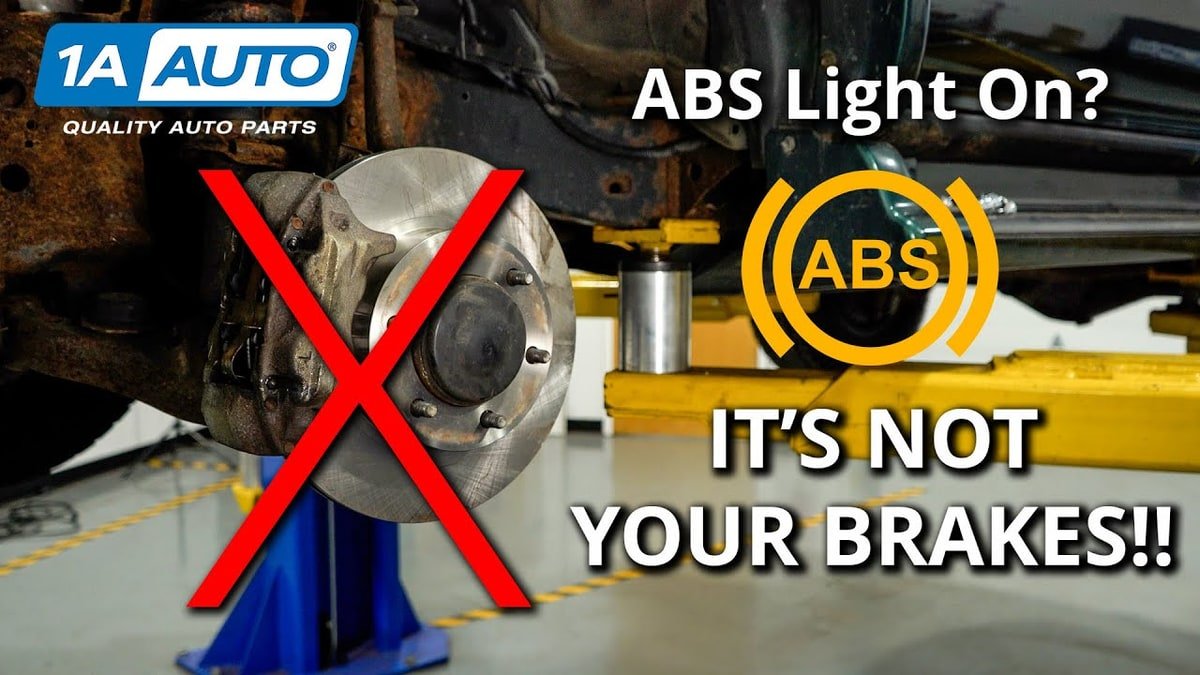
A dealership works to a rate card and a throughput model. There are service bays to fill, technician hours to account for, and a workshop overhead that every job is expected to cover. That environment does not produce dishonest mechanics. It produces mechanics who cannot afford to spend forty-five minutes on live data when a code is already on the screen and a repair pathway already exists.
The thing the dealership model cannot easily tell you is that a fault code is often a symptom report, not a fault address. Modules log what they experienced, not what caused the experience. A scan tool that stops at the stored code and does not pull live data is working with half the available information. That half is enough to generate a quote but not always enough to identify what actually needs replacing.
This is not a tool limitation. Professional-grade interfaces that talk directly to ABS modules and pull live sensor data are available to anyone willing to invest in them. The question is whether the business model allows the time to use them properly. At most dealerships, it does not.
The growth in mobile mechanic use across the US makes sense from where I stand. A mobile technician with no bay overhead and proper diagnostic kit can take the time the dealership structure does not allow. When that time goes into watching live data rather than working from stored codes alone, the outcome is often a different diagnosis and a lower bill.
I am not going to tell you that dealerships are always wrong about ABS faults, because they are not. What I will say is that a correct diagnosis costs time, and a workshop model is the environment least able to provide it. Mobile work removes that pressure, not on every job, but often enough that it regularly changes the outcome.
The connector on the Golf cost eleven pounds. Cleaning the pins, reseating it, and protecting the joint from further water ingress took less time than dealership paperwork would have. The ABS module was perfectly functional. Eight hundred and twenty pounds of perfectly functional module was sitting there the whole time.
Fourteen years of doing this work has taught me that the most expensive part in an ABS repair is usually the one that did not need replacing. The driveway in Stotfold was not unusual. It was a Tuesday.
Jimmy O’Riley is a UK-based mobile mechanic and automotive diagnostic specialist operating out of Bedfordshire, England. He founded O’Rileys Autos in 2011 with a focus on bringing professional vehicle repairs directly to customers at their homes and workplaces.
With over a decade of hands-on experience, Jimmy specializes in ABS diagnostics, brake system repairs, diesel emissions faults, and DPF cleaning. He is recognized across the UK and Ireland as one of the leading specialists in vehicle braking and emissions systems, earning the title “The DPF King” from his growing online audience.
Jimmy documents real-world automotive repairs through his YouTube channel, which has accumulated over 97,000 subscribers and nearly 2,000 published repair videos. His content covers ABS fault diagnosis, wheel speed sensor testing, brake module replacement, and roadside repair procedures across a wide range of vehicle makes and models.
He is active on YouTube, Instagram, and Facebook under O’Rileys Autos.